

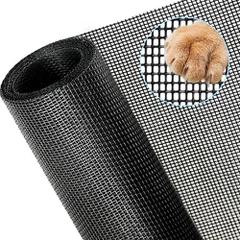
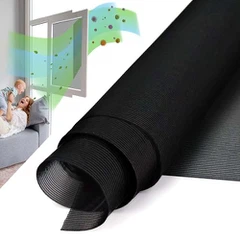
Hey there! As a supplier of sunshade screens, I often get asked about how long these nifty products can last. It's a super important question, especially if you're shelling out your hard - earned cash for a quality sunshade screen. So, let's dig into what affects the lifespan of a sunshade screen and get you all the info you need.
First off, the material of the sunshade screen plays a huge role in determining its lifespan. There are a bunch of different materials out there, each with its own set of pros and cons.
Polyester + PVC Sunshade 1% Fabric
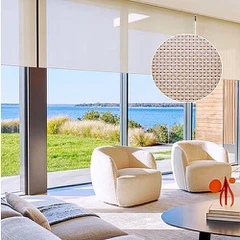
One popular option is the Polyester+PVC Sunshade 1% Fabric. This fabric is a combo of polyester and PVC, which gives it some really great properties. Polyester is known for its strength and durability. It can handle a fair amount of wear and tear without easily tearing or fraying. The PVC coating adds an extra layer of protection. It makes the fabric resistant to water, mildew, and UV rays.
If you take good care of a sunshade screen made from this fabric, you can expect it to last anywhere from 5 to 10 years. That's a pretty long time, right? But, of course, this lifespan can be affected by a few things. For instance, if it's constantly exposed to harsh weather conditions like strong winds, heavy rain, or extreme heat, its lifespan might be on the shorter end.
Sunshade Screen Fabric
Another common type is the Sunshade Screen Fabric. This fabric comes in various qualities and compositions. Some are made from high - grade synthetic materials that are specifically designed to withstand the elements.
High - quality sunshade screen fabrics can last up to 15 years or even more. These are usually the ones that have been treated with advanced UV inhibitors. The UV inhibitors help prevent the fabric from fading and weakening over time due to the sun's rays. However, lower - quality fabrics might only last 2 to 5 years. They might start to show signs of wear like fading, cracking, or losing their ability to block sunlight after just a couple of seasons.
Shading Net For Blinds
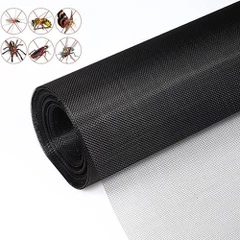
Then there's the Shading Net For Blinds. Shading nets are often made from polyethylene or polypropylene. These materials are lightweight and flexible, which makes them great for use in blinds.
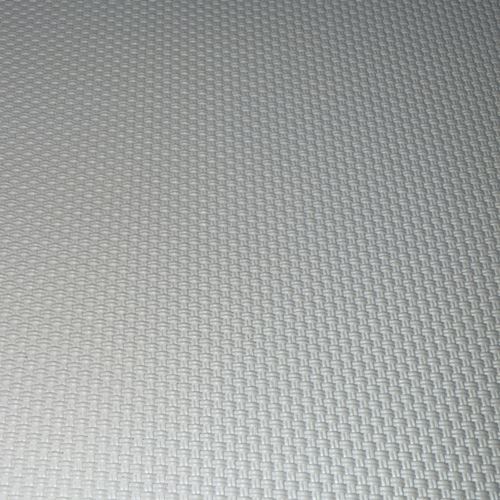

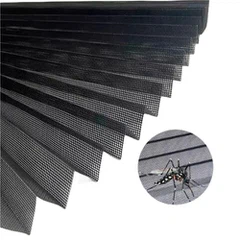
The lifespan of a shading net for blinds can vary widely. A well - made, high - quality shading net can last around 8 to 12 years. These nets are usually more resistant to UV damage and can maintain their shape and color over time. On the other hand, cheaper shading nets might only last 1 to 3 years. They can easily become brittle, tear, or lose their shading effectiveness.
Environmental Factors
Now, let's talk about the environmental factors that can mess with the lifespan of your sunshade screen.
Sunlight: The sun is both a friend and a foe when it comes to sunshade screens. On one hand, that's what they're designed to block. But on the other hand, the UV rays in sunlight can break down the fabric over time. The more intense and direct the sunlight is, the faster the fabric will degrade. If your sunshade screen is in a location that gets full sun all day long, it's going to have a tougher time lasting as long as one that's in a more shaded area.
Weather Conditions: Harsh weather can really take a toll on sunshade screens. Strong winds can cause the screen to flap around, which might lead to tears or damage to the edges. Heavy rain can cause waterlogging, especially if the fabric isn't properly water - resistant. And extreme temperatures, whether it's scorching heat or freezing cold, can also affect the integrity of the fabric. For example, in very cold weather, the fabric might become stiff and more prone to cracking.
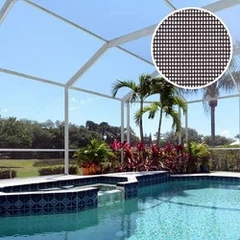
Pollution and Chemicals: If your sunshade screen is in an area with high levels of pollution or near sources of chemicals, it can also reduce its lifespan. Pollutants in the air can stick to the fabric and cause discoloration or corrosion. Chemicals like chlorine from swimming pools or fertilizers from gardens can also damage the fabric if they come into contact with it.
Maintenance
Proper maintenance is key to getting the most out of your sunshade screen.
Cleaning: Regular cleaning can help extend the lifespan of your sunshade screen. You should clean it at least once a year, or more often if it's in a dirty or dusty area. Use a mild detergent and a soft brush or sponge to gently clean the fabric. Avoid using harsh chemicals or abrasive cleaners, as they can damage the fabric. Rinse it thoroughly with water and let it dry completely before putting it back up.
Inspection: Periodically inspect your sunshade screen for any signs of damage. Look for tears, fraying, or loose seams. If you catch these issues early, you can usually fix them easily and prevent them from getting worse. For example, a small tear can be patched up with a fabric repair kit.
Storage: If you live in an area with very harsh winters or other extreme weather conditions, it might be a good idea to take down your sunshade screen and store it during the off - season. Store it in a dry, cool place where it won't be exposed to sunlight or moisture. This can help protect it from damage and extend its lifespan.
Conclusion
So, as you can see, the lifespan of a sunshade screen can vary quite a bit depending on the material, environmental factors, and maintenance. But with the right choice of material, proper installation, and good care, you can get a sunshade screen that will last for many years.
If you're in the market for a sunshade screen, don't hesitate to reach out. We've got a wide range of high - quality sunshade screens to suit your needs. Whether you're looking for a Polyester+PVC Sunshade 1% Fabric, Sunshade Screen Fabric, or Shading Net For Blinds, we can help you find the perfect one. Contact us today to start the procurement discussion and get your hands on a top - notch sunshade screen!
References
- Industry reports on sunshade screen materials and durability.
- Manufacturer specifications for various sunshade screen products.