

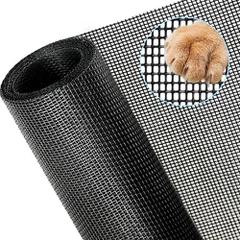
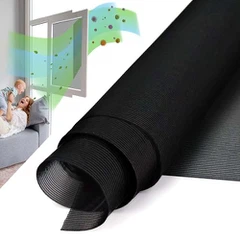
Hey there! As a sunshade screen supplier, I've been getting a ton of questions lately about whether sunshade screens are actually effective in blocking sunlight. So, I thought I'd dive into this topic and share some insights based on my experience in the industry.
Let's start with the basics. Sunshade screens come in different types and materials, each with its own way of dealing with sunlight. The main idea behind these screens is to reduce the amount of direct sunlight that enters a space. This can be super useful for a variety of reasons, like keeping your home or office cool, protecting your furniture from fading, and reducing your energy bills.
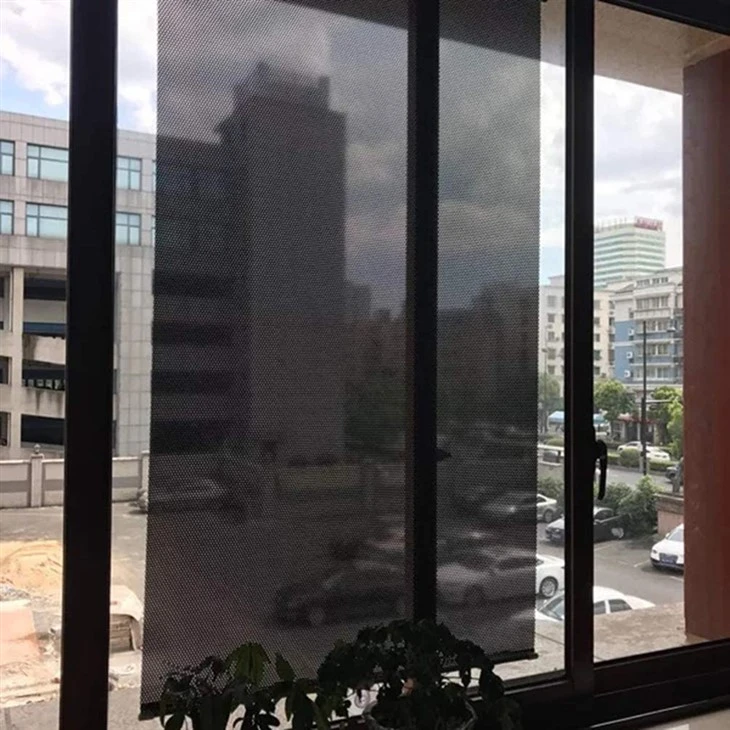
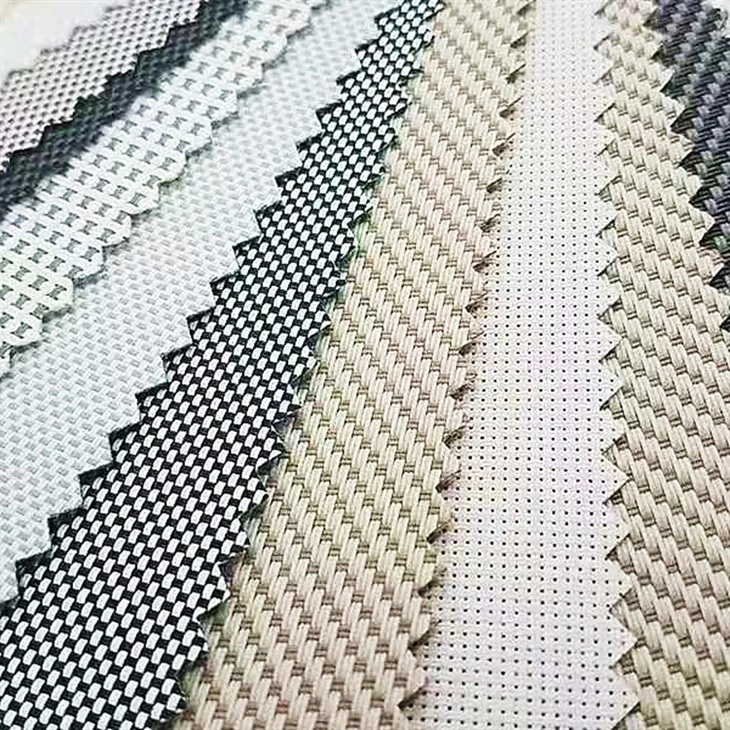
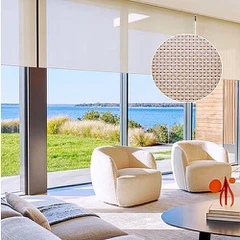
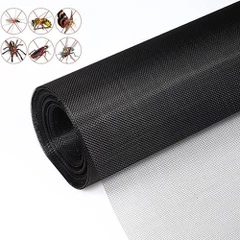
One of the most common types of sunshade screens is the Shading Net for Blinds. These nets are made of a special material that has small holes or gaps. When sunlight hits the net, some of it passes through these holes, but a significant amount is reflected or absorbed. The size of the holes and the material of the net play a big role in how effective it is at blocking sunlight.
For example, a net with smaller holes will block more sunlight compared to one with larger holes. Also, the color of the net matters. Darker colors tend to absorb more sunlight, which can help in reducing the amount of light that passes through. But they can also get hotter, so it's a bit of a trade - off.
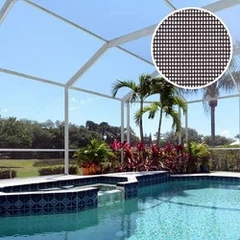
Another popular option is the Exterior Sun Control Mesh. This type of screen is usually installed on the outside of windows or buildings. It's designed to intercept sunlight before it even reaches the glass. By doing this, it can prevent a large amount of heat from entering the building.
Exterior sun control mesh is often made of durable materials that can withstand different weather conditions. They are also very effective at reducing glare. Glare can be a real pain, especially when you're trying to work or watch TV. With an exterior sun control mesh, you can enjoy a more comfortable indoor environment.
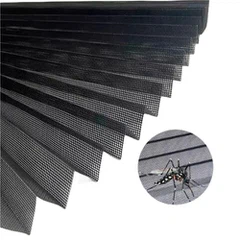
Now, let's talk about Office Sunshade Blinds. In an office setting, sunlight can be both a blessing and a curse. On one hand, natural light is great for productivity and mood. On the other hand, too much sunlight can cause discomfort, eye strain, and even damage to electronic equipment.
Office sunshade blinds offer a great solution. They can be adjusted to control the amount of sunlight that enters the room. You can tilt the slats to let in just the right amount of light, or close them completely when you need to block out the sun. This flexibility makes them a popular choice for offices.
But how do we measure the effectiveness of sunshade screens? One important metric is the solar heat gain coefficient (SHGC). This measures the amount of solar radiation that passes through a window or screen and is absorbed by the interior space. A lower SHGC means that less heat is entering the building, which means your air - conditioning system doesn't have to work as hard.
Most high - quality sunshade screens have a relatively low SHGC, which indicates that they are effective at blocking sunlight and reducing heat gain. However, it's important to note that the SHGC can vary depending on the type of screen, its installation, and the orientation of the window.
In addition to reducing heat gain, sunshade screens can also block harmful UV rays. UV rays can cause skin damage and fade furniture, carpets, and curtains over time. Good sunshade screens can block a significant percentage of UV rays, which helps in protecting your belongings and your health.
I've seen firsthand the difference that sunshade screens can make. In a customer's home, we installed exterior sun control mesh on the south - facing windows. Before the installation, the room would get extremely hot during the day, and the air - conditioning system was constantly running. After the installation, the temperature in the room was much more comfortable, and the customer noticed a significant reduction in their energy bills.
Another customer had an office with large windows facing the west. The glare from the afternoon sun was causing problems for the employees. We installed office sunshade blinds, and the employees were immediately happier. They could work more comfortably without having to deal with the glare, and the overall productivity in the office increased.
So, to answer the question "Are sunshade screens effective in blocking sunlight?" - the answer is a resounding yes! They are a practical and cost - effective solution for reducing sunlight, heat gain, glare, and UV rays.
If you're considering installing sunshade screens in your home or office, I'd be more than happy to help. We offer a wide range of high - quality sunshade screens that are designed to meet your specific needs. Whether you need a shading net for blinds, exterior sun control mesh, or office sunshade blinds, we've got you covered.
Just reach out to us to start a conversation about your requirements. We can provide you with detailed information, product samples, and a free quote. Let's work together to create a more comfortable and energy - efficient space for you.
References:
- ASHRAE Handbook of Fundamentals. This handbook provides in - depth information on solar heat gain and the performance of different building materials, including sunshade screens.
- International Window Film Association (IWFA) research reports. These reports offer insights into the effectiveness of window films and sunshade screens in blocking sunlight and UV rays.