

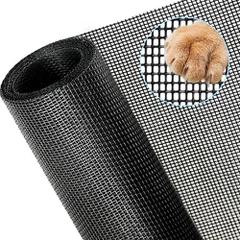
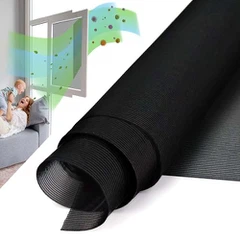
Sunscreen Fabric
Download our Sunscreen Fabric Catalog (PDF)


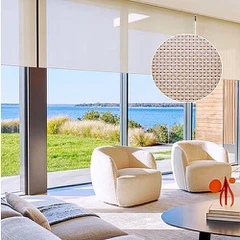
Sunscreen fabric is a high-performance technical textile specifically designed to provide effective solar shading while maintaining natural daylight and outward visibility. It is commonly used in roller blinds, vertical blinds, and architectural shading systems for both residential and commercial environments.
Sunscreen fabric is typically made from fiberglass or polyester yarns coated with PVC, forming a durable mesh structure with a specific openness factor—a measure of how much light and visibility the fabric allows through. This unique construction enables it to block up to 95% of harmful UV rays, reduce solar heat gain, and significantly lower energy consumption in buildings.
Unlike blackout or opaque fabrics, sunscreen fabric strikes a balance between light control, thermal insulation, privacy, and visual comfort. It protects indoor furnishings from fading, reduces glare on screens, and improves occupant well-being—all while preserving an open, spacious feel.
Engineered to meet strict fire-retardant, environmental, and durability standards, sunscreen fabrics are widely used in:
- Offices and commercial buildings
- Hotels and hospitality interiors
- Schools and healthcare facilities
- Smart homes and green buildings
- Outdoor patios and sunrooms
With various openness factors, color options, and surface textures available, sunscreen fabric offers a versatile and elegant solution for modern shading needs.
Advantages of Sunscreen Fabric
Superior UV Protection
Engineered to block up to 95% of harmful ultraviolet rays, sunscreen fabric helps protect indoor furnishings, flooring, and occupants from sun damage and discoloration, extending the life of interior assets.
Effective Solar Heat Control
By filtering solar radiation, this fabric significantly reduces indoor heat gain, thereby lowering air-conditioning costs and contributing to improved energy efficiency in residential and commercial buildings.
Optimized Daylight Management
Sunscreen fabric allows controlled amounts of natural light to enter while minimizing glare, creating a comfortable and well-lit indoor environment without the need for artificial lighting during the day.
Enhanced Visual Comfort and Privacy
The mesh structure ensures outward visibility during daylight hours while providing daytime privacy. This dual benefit supports both occupant well-being and architectural aesthetics.
High Durability and Low Maintenance
Manufactured from high-tensile fiberglass or polyester yarns coated with PVC, the fabric offers excellent dimensional stability, resistance to mold, moisture, and UV degradation, and is easy to clean and maintain.
Versatile Applications
Suitable for roller blinds, vertical blinds, panel tracks, and exterior shading systems, sunscreen fabric is widely used in offices, hotels, healthcare facilities, and smart building environments.
-
![Sunshade 1% 3% 5% 10% Screen Fabric]() Sunshade 1% 3% 5% 10% Screen FabricOur Sunshade Screen Fabric is specially engineered to provide superior solar control, glare reduction, and UV protection for residential, commercial, and outdoor environments. Crafted from...read more
Sunshade 1% 3% 5% 10% Screen FabricOur Sunshade Screen Fabric is specially engineered to provide superior solar control, glare reduction, and UV protection for residential, commercial, and outdoor environments. Crafted from...read more -
![Polyester+PVC Sunshade 1% Fabric]() Polyester+PVC Sunshade 1% FabricOur Polyester+PVC Sunshade 1% Fabric is a high-performance solar shading material designed to deliver maximum privacy and excellent glare control. Engineered with a durable polyester core and...read more
Polyester+PVC Sunshade 1% FabricOur Polyester+PVC Sunshade 1% Fabric is a high-performance solar shading material designed to deliver maximum privacy and excellent glare control. Engineered with a durable polyester core and...read more -
![Fiberglass+PVC Sunshade 3% Fabric]() Fiberglass+PVC Sunshade 3% FabricOur Fiberglass+PVC Sunshade 3% Fabric combines the strength and flexibility of fiberglass yarn with a durable PVC coating to deliver superior sun control and privacy. Designed for indoor and...read more
Fiberglass+PVC Sunshade 3% FabricOur Fiberglass+PVC Sunshade 3% Fabric combines the strength and flexibility of fiberglass yarn with a durable PVC coating to deliver superior sun control and privacy. Designed for indoor and...read more -
![Polyester+PVC Sunshade 3% Fabric]() Polyester+PVC Sunshade 3% FabricOur Polyester+PVC Sunshade 3% Fabric is a premium-quality solar screen fabric designed to provide the perfect balance between natural light, outside visibility, and interior privacy. Made from...read more
Polyester+PVC Sunshade 3% FabricOur Polyester+PVC Sunshade 3% Fabric is a premium-quality solar screen fabric designed to provide the perfect balance between natural light, outside visibility, and interior privacy. Made from...read more -
![450GSM Fiberglass+PVC Sunshade 5% Fabric]() 450GSM Fiberglass+PVC Sunshade 5% FabricOur 450 GSM Fiberglass+PVC Sunshade Fabric with 5% openness is a robust and high-performance solar shading material designed for effective light diffusion, privacy, and sun protection. Combining...read more
450GSM Fiberglass+PVC Sunshade 5% FabricOur 450 GSM Fiberglass+PVC Sunshade Fabric with 5% openness is a robust and high-performance solar shading material designed for effective light diffusion, privacy, and sun protection. Combining...read more -
![Polyester+PVC 420 GSM Sunshade 5% Fabric]() Polyester+PVC 420 GSM Sunshade 5% FabricCrafted with a durable blend of high-strength polyester yarn and premium PVC coating, this 420 GSM Sunshade Fabric is engineered to deliver outstanding performance for interior and exterior roller...read more
Polyester+PVC 420 GSM Sunshade 5% FabricCrafted with a durable blend of high-strength polyester yarn and premium PVC coating, this 420 GSM Sunshade Fabric is engineered to deliver outstanding performance for interior and exterior roller...read more -
![520 GSM Openness 5% Roller Blind Fabric]() 520 GSM Openness 5% Roller Blind FabricOur Roller Blind Fabric is designed to combine aesthetics with functionality, offering excellent light control, UV protection, and privacy for both residential and commercial spaces. Crafted from...read more
520 GSM Openness 5% Roller Blind FabricOur Roller Blind Fabric is designed to combine aesthetics with functionality, offering excellent light control, UV protection, and privacy for both residential and commercial spaces. Crafted from...read more -
![Polyester Blackout Fabric]() Polyester Blackout FabricOur Polyester Blackout Fabric is a high-performance window covering material designed to completely block out sunlight, enhance indoor privacy, and improve thermal insulation. Woven from 100%...read more
Polyester Blackout FabricOur Polyester Blackout Fabric is a high-performance window covering material designed to completely block out sunlight, enhance indoor privacy, and improve thermal insulation. Woven from 100%...read more -
![Customizable Colors Sunscreen Fabric]() Customizable Colors Sunscreen FabricWhy choose to use sunscreen fabric? The sunscreen Fabric is an innovative textile material designed for users who seek natural light and a comfortable living experience. It combines modern...read more
Customizable Colors Sunscreen FabricWhy choose to use sunscreen fabric? The sunscreen Fabric is an innovative textile material designed for users who seek natural light and a comfortable living experience. It combines modern...read more -
![Customizable Weight Sunshade Fabric]() Customizable Weight Sunshade FabricSunshade Fabric introduction: Solutions for UV protection and ventilation Sunshade fabric, also often referred to as sunshade cloth or transparent fabric, is a new type of functional textile...read more
Customizable Weight Sunshade FabricSunshade Fabric introduction: Solutions for UV protection and ventilation Sunshade fabric, also often referred to as sunshade cloth or transparent fabric, is a new type of functional textile...read more -
![Customizable Openness Sunscreen 0-20% Fabric Sun-Shading Roller Blinds]() Customizable Openness Sunscreen 0-20% Fabric Sun-Shading ...Sunscreen Fabric Sun-Shading Roller Blinds: Professional Indoor Light Management Solution Sunscreen Fabric Sun-Shading Roller Blinds are designed for high-end residential and commercial spaces,...read more
Customizable Openness Sunscreen 0-20% Fabric Sun-Shading ...Sunscreen Fabric Sun-Shading Roller Blinds: Professional Indoor Light Management Solution Sunscreen Fabric Sun-Shading Roller Blinds are designed for high-end residential and commercial spaces,...read more -
![Fiberglass and Polyester Optional Sunshade Blinds Fibric]() Fiberglass and Polyester Optional Sunshade Blinds FibricOffice sunshade blinds Sunlight Fabric Roll-up Blinds - The Smart Sun-Shading Choice for Your Office. Maximize productivity and minimize glare with our Sunlight Fabric Roll-up Blinds. Engineered...read more
Fiberglass and Polyester Optional Sunshade Blinds FibricOffice sunshade blinds Sunlight Fabric Roll-up Blinds - The Smart Sun-Shading Choice for Your Office. Maximize productivity and minimize glare with our Sunlight Fabric Roll-up Blinds. Engineered...read more


Founded in 1985 – 39 Years of Excellence
Jinwu Glass Fiber Co., Ltd. was established in 1985 and has grown into one of China's leading manufacturers of high-performance sunshade and insect screen fabrics. With nearly four decades of continuous innovation and development, we bring deep industry expertise and proven manufacturing reliability to every order.
Large-Scale, Integrated Production
Our factory covers over 30,000 square meters and operates a fully integrated production system—from fiberglass yarn drawing and coating to weaving and inspection. This enables us to strictly control product quality, reduce lead times, and support bulk customization for global projects.
Rich Production Experience & Technical Know-How
With 39 years of production experience and a dedicated R\&D team, we are able to meet the demanding specifications of international clients. Whether it's sunscreen fabrics with various openness factors or customized screen mesh, our technical team ensures product performance and consistency.
Certified Quality You Can Trust
Our sunscreen fabrics meet international standards and have passed RoHS, REACH, and SGS certifications. Fire resistance, anti-UV, and environmental performance are rigorously tested to ensure compliance with EU, North American, and South American market requirements.
Strong After-Sales and Global Support
We serve customers in over 30 countries and provide responsive after-sales support including installation guidance, technical documentation, and quick-response solutions. Our foreign trade team is experienced, multilingual, and committed to long-term business relationships.
Applications Of Sunscreen Fabric

Commercial Office Buildings
Sunscreen fabric is widely used in corporate buildings to control glare, reduce heat gain, and protect digital screens from reflection. Its ability to maintain outward visibility while meeting fire-retardant and environmental standards makes it ideal for energy-efficient office environments.
Hotels and Hospitality Interiors
Premium hotels specify sunscreen fabric for guest room windows and public areas due to its elegant appearance, flame resistance (NFPA 701, B1), and ability to block up to 95% of UV rays—enhancing comfort while protecting interior furnishings from fading.
Educational Institutions (Schools & Universities)
Used in classrooms, libraries, and auditoriums, sunscreen fabric enhances concentration and visual comfort by reducing glare and heat. Its anti-mildew, formaldehyde-free, and low-VOC properties meet the strict environmental health requirements of modern learning spaces.
Hospitals and Healthcare Facilities
In medical environments, hygiene, safety, and patient comfort are paramount. Sunscreen fabric offers moisture resistance, mold prevention, and easy cleaning. Fire-resistant and phthalate-free versions are often specified for high-risk areas and patient wards.
Retail Stores and Shopping Malls
Retail environments utilize sunscreen fabrics in window displays and skylight areas to reduce solar heat gain and protect merchandise from UV degradation—without compromising on daylight or product visibility.
Outdoor Shading for Cafés and Patios
Weather-resistant sunscreen fabric is a top choice for motorized outdoor roller blinds and awnings. Its high tensile strength, anti-UV coating, and dimensional stability ensure long-term use under intense sunlight and wind exposure.
Smart Buildings and Automated Systems
Sunscreen fabric is integrated into intelligent shading systems to optimize thermal and visual comfort throughout the day. The fabric’s low openness factor and stable solar transmittance performance are critical for LEED-certified and energy-regulated buildings.
Transportation Terminals (Airports, Stations, Ports)
In terminals with large glass façades, sunscreen fabric is used for solar control to reduce cooling loads and glare in waiting areas. Certified fire resistance, durability, and excellent thermal insulation performance make it suitable for 24/7 public infrastructure use.
What Are The Colors Of Sunscreen Fabric
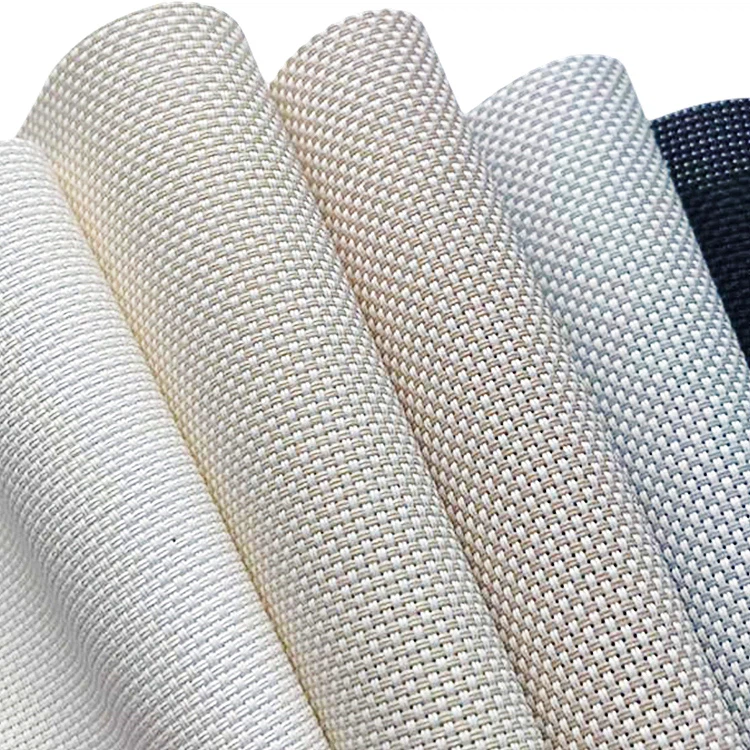
Sun Sunscreen Fabric is available in a variety of colors to suit different applications and preferences. The following are some of the most common colors of Sunscreen Fabric.

White Sunscreen Fabric
Light Transmission: High
Heat Reflection: Excellent
Common Scenes:
- Residential living rooms
- Healthcare and hospital facilities
- Schools and libraries
Benefits: Maximizes natural light and gives a clean, bright atmosphere. Ideal for spaces requiring soft light and a sterile appearance.
Light Grey Sunscreen Fabric
Light Transmission: Moderate
Heat Reflection: Balanced
Common Scenes:
- Office buildings
- Commercial meeting rooms
- Public institutions
Benefits: Provides a neutral, professional tone while maintaining visual comfort. Excellent at reducing glare on screens.
Dark Grey Sunscreen Fabric
Light Transmission: Low
Heat Absorption: Higher
Common Scenes:
- Executive offices
- High-end residences
- Luxury hotel rooms
Benefits: Enhances privacy and contrast, maintains outside visibility. Popular for modern interiors and high-contrast design.
Black Sunscreen Fabric
Light Transmission: Very Low
Heat Absorption: High
Common Scenes:
- Auditoriums
- Media rooms
- Industrial settings
Benefits: Excellent outward visibility with high privacy. Provides maximum glare reduction—ideal for screen-heavy environments.
Beige Sunscreen Fabric
Light Transmission: Moderate to High
Heat Reflection: Good
Common Scenes:
- Cafés and restaurants
- Villas and garden rooms
- Hospitality lounges
Benefits: Adds warmth and comfort to the space. Blends well with wooden furniture and natural textures.
Blue / Green Sunscreen Fabric
Light Transmission: Varies by shade
Heat Performance: Moderate
Common Scenes:
- Creative workspaces
- Children's learning areas
- Specialized design projects
Benefits: Adds personality and brand identity to spaces while maintaining essential shading performance.
Key Points in Choosing Sunscreen Fabric
Openness Factor (OF%)
The openness factor determines how much light and visibility the fabric allows. Common options include 1%, 3%, 5%, and 10%.
Lower OF (1–3%): Better glare control and privacy
Higher OF (5–10%): More natural light and outside visibility
Choose based on the building’s orientation, window size, and lighting needs.
UV Protection Rate
High-quality sunscreen fabrics should block at least 90–95% of harmful UV rays. This prevents fading of interior furnishings and protects occupant health—especially important for homes, offices, and healthcare facilities.
Thermal and Energy Performance
Evaluate the fabric's ability to reflect solar heat and reduce indoor temperature. Fabrics with high solar reflectance and low solar absorption improve HVAC efficiency and reduce energy consumption.
Fire-Retardant Certification
Ensure the fabric meets international fire safety standards (e.g., NFPA 701, B1, M1). This is especially important in commercial buildings, hotels, hospitals, and public areas where fire compliance is mandatory.
Material Composition
Look for high-quality fiberglass or polyester with PVC coating.
- Fiberglass base: Offers dimensional stability, flame resistance, and longer lifespan
- Polyester base: More flexible and cost-effective
Choose according to application needs and budget.
Color Selection
Color affects not only aesthetics but also light control and heat performance.
- Light colors: Reflect more heat, brighten interiors
- Dark colors: Offer better glare control and privacy
Select color based on design requirements and solar control goals.
Durability and Maintenance
Check for fabric properties such as anti-mildew, moisture resistance, abrasion resistance, and UV stability. A good sunscreen fabric should maintain its form and function for years with minimal maintenance.
Application Compatibility
Confirm the fabric is compatible with your system—manual or motorized roller blinds, vertical blinds, panel tracks, or outdoor shading systems. Consider weight, flexibility, and ease of cutting for fabrication and installation.
How to Work with Sunscreen Fabric
1. Storage and Handling
· Store rolls in a clean, dry, ventilated area, away from direct sunlight and moisture.
· Keep the fabric in its original packaging until ready for use to avoid dust, wrinkles, and edge damage.
· Avoid folding or creasing, as this may affect the coating or fabric structure.
2. Cutting
Use automated cutting machines or sharp rotary blades to achieve clean, precise edges.
Follow the fabric’s grain direction to maintain tension and prevent warping during installation.
Use heat-cutting tools or ultrasonic cutters when possible to seal edges and avoid fraying, especially for fiberglass base fabrics.
3. Edge Treatment
Depending on the system used (roller blinds, panels, or zip-track), consider welding, sewing, or taping the edges for durability.
Some high-end installations may require reinforced borders or weight bars to ensure smooth operation and a neat appearance.
4. Seaming and Joining
For large-width applications, fabrics may need to be joined using high-frequency welding, thermal bonding, or double-sided adhesive tapes.
Always ensure color and weave alignment for visual consistency.
5. Fabrication for Shading Systems
Confirm fabric thickness and flexibility are compatible with your system (manual or motorized).
Coordinate with system suppliers to meet tolerance requirements in width and drop.
Install tension systems or bottom bars to keep the fabric flat and prevent curling or sagging.
6. Cleaning and Maintenance
Clean regularly with a soft brush or vacuum to remove dust.
For deeper cleaning, use mild soap and lukewarm water. Avoid abrasive tools or harsh chemicals.
Rinse thoroughly and let the fabric dry naturally—never use high heat or tumble dryers.
7. Safety Considerations
Wear gloves and safety glasses when cutting fiberglass fabrics to prevent irritation from fine fibers.
Ensure proper ventilation if using adhesives or welding equipment during fabrication.
8. Installation Tips
Test fit the fabric in the system before final installation.
Use laser levels to ensure alignment and straight drop.
Secure with end caps, guide wires, or zip-track mechanisms for outdoor applications.
Factors Affecting the Lifespan of Sunscreen Fabric
Material Quality and Coating Technology
The durability of sunscreen fabric largely depends on its core material—typically fiberglass or polyester—and the quality of the PVC coating.
- Fiberglass base offers superior dimensional stability, UV resistance, and flame retardancy.
- High-quality PVC coatings enhance weather resistance, reduce cracking, and maintain color stability over time.
Choosing certified, well-manufactured fabric ensures long-lasting performance.
Environmental Exposure
External factors such as UV intensity, humidity, wind, and pollution significantly impact longevity.
- Indoor use typically offers a lifespan of 8–10 years or more.
- Outdoor use (patios, balconies) may shorten lifespan due to sun, rain, and temperature fluctuations unless the fabric is specifically rated for exterior conditions.
Cleaning and Maintenance
Routine cleaning prevents dust, mold, and air pollutants from degrading the surface.
- Use mild soap and soft cloth or brushes; avoid harsh chemicals or high-pressure washing.
- Proper care not only preserves appearance but also protects structural integrity over time.
Our factory
Since its establishment in 1985, Jinwu Glass Fiber Co., Ltd. has evolved into a distinguished leader in the fiberglass manufacturing sector. Our expansive production facility, spanning 30,000 square meters, is supported by a team of 260 highly skilled professionals dedicated to excellence and innovation.
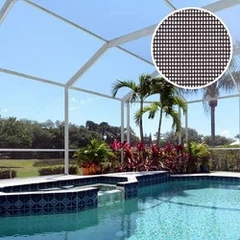
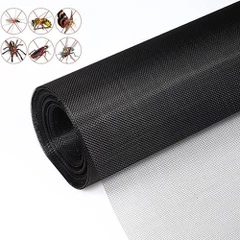
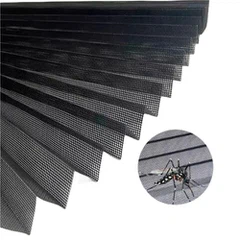
We offer a comprehensive portfolio of premium products, including fiberglass insect screens engineered for residential protection, pool and patio screening solutions designed to withstand rigorous outdoor conditions, and state-of-the-art fiberglass sunscreen fabrics that provide superior solar control and energy efficiency.
Our commitment to uncompromising quality is underscored by our ISO 9001 certification, which we have maintained continuously since 2001. This certification reflects our adherence to stringent quality management systems and operational excellence. Utilizing advanced manufacturing technologies and precision machinery, we ensure that each product meets the highest benchmarks for durability, performance, and aesthetic standards.
At Jinwu Glass Fiber Co., Ltd we prioritize forging lasting partnerships by delivering consistent value and reliability. We invite you to collaborate with us and benefit from our proven expertise, rigorous quality assurance, and customer-centric approach. Entrust your fiberglass needs to Jinwu, and together we will drive innovation and success in your projects.

Certificate


FAQ
We're professional Sunscreen Fabric manufacturers in China, specialized in providing high quality customized service. We warmly welcome you to wholesale discount Sunscreen Fabric made in China here from our factory. Quality products and low price are available.
sunlight blocking fabric for sports, anti uv fabric for beach, sunproof material for camping