

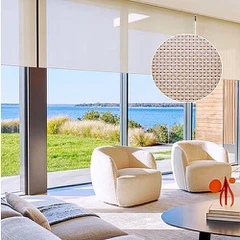
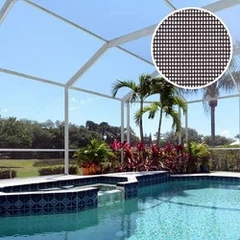
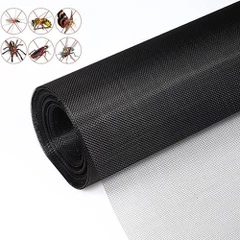
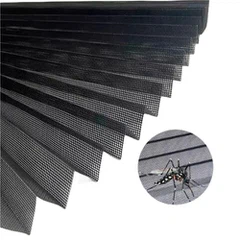
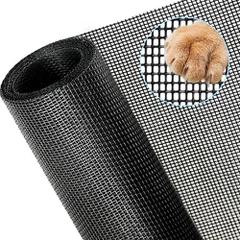
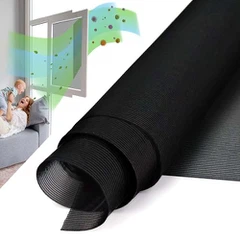
Fiberglass Insect Screen
What Is Fiberglass Insect Screen
Fiberglass insect screen is a mesh material woven from glass fiber yarns coated with PVC (polyvinyl chloride). It is widely used in windows, doors, patios, and ventilation systems to keep out insects like mosquitoes, flies, and bugs while still allowing fresh air and natural light to pass through.
Fiberglass screen is lightweight yet highly durable, making it a cost-effective and low-maintenance solution for residential and commercial buildings. It is resistant to UV rays, corrosion, rust, and flame, and it doesn’t shrink or deform under temperature changes or moisture. The mesh surface is smooth and flexible, easy to cut and install in various screen systems.
Available in various mesh sizes such as 18x16, 18x14, and 20x20, as well as colors like grey, black, and white, fiberglass insect screen offers customized options to meet different market demands — from standard window use to pet-resistant and pollen-proof screens.
Advantages of Fiberglass Insect Screen
Excellent Insect Protection
The fine mesh structure (e.g. 18x16 or 20x20) effectively blocks mosquitoes, flies, and other insects while maintaining airflow and visibility—perfect for homes, offices, and screened enclosures.
Durable & Long-Lasting
Made from PVC-coated fiberglass yarn, the screen is resistant to tearing, deformation, and aging. It maintains its strength and shape even under high temperatures, humidity, and daily use.
UV & Weather Resistant
Fiberglass insect screen withstands strong sunlight, rain, and wind without fading or becoming brittle. Its anti-UV properties make it suitable for indoor and outdoor applications.
Corrosion & Rust-Free
Unlike metal screens, fiberglass mesh will not rust or corrode—ideal for coastal areas or places with high humidity.
Easy to Install & Clean
Lightweight and flexible, fiberglass screen is easy to cut and install in various window and door systems. It’s also washable with just water and mild detergent, making maintenance simple.
Cost-Effective Solution
Compared to stainless steel or aluminum mesh, fiberglass insect screen offers an affordable alternative without sacrificing performance, making it a top choice for large-scale residential and commercial projects.
-
![Heavy Duty Polyester Mesh]() Heavy Duty Polyester MeshMaterial characteristics: Polyester mesh is a mesh structure made of polyester fiber. Polyester fiber has high strength and can withstand large tension and pressure. This allows our heavy-duty...read more
Heavy Duty Polyester MeshMaterial characteristics: Polyester mesh is a mesh structure made of polyester fiber. Polyester fiber has high strength and can withstand large tension and pressure. This allows our heavy-duty...read more -
![Windows and Doors Screening]() Windows and Doors ScreeningWindows and doors screening is a protective and filtering device used on doors and windows. It is mainly used to prevent mosquitoes, insects, dust, etc. from entering the room while maintaining...read more
Windows and Doors ScreeningWindows and doors screening is a protective and filtering device used on doors and windows. It is mainly used to prevent mosquitoes, insects, dust, etc. from entering the room while maintaining...read more -
![Patio Door Fiberglass Mesh Screen]() Patio Door Fiberglass Mesh ScreenIn commercial venues such as outdoor restaurants and cafes, Fiberglass screens can be used as screens for outdoor seating, providing customers with a private dining environment while maintaining...read more
Patio Door Fiberglass Mesh ScreenIn commercial venues such as outdoor restaurants and cafes, Fiberglass screens can be used as screens for outdoor seating, providing customers with a private dining environment while maintaining...read more -
![Fiberglass Screen for Patio]() Fiberglass Screen for PatioFiberglass screen for patio is often used as a screen for terraces and balconies. It can not only provide a certain degree of privacy protection, but also block the intrusion of mosquitoes and...read more
Fiberglass Screen for PatioFiberglass screen for patio is often used as a screen for terraces and balconies. It can not only provide a certain degree of privacy protection, but also block the intrusion of mosquitoes and...read more -
![Fiberglass Pool Screen]() Fiberglass Pool ScreenMaterial advantages: Fiberglass is a material with high strength and good weather resistance, which can resist harsh weather conditions, such as strong winds, heavy rain, etc.read more
Fiberglass Pool ScreenMaterial advantages: Fiberglass is a material with high strength and good weather resistance, which can resist harsh weather conditions, such as strong winds, heavy rain, etc.read more
Long-term... -
![Fiberglass Patio Screen]() Fiberglass Patio ScreenWhen it comes to finding the right patio screen for your home, there are many options to choose from. However, one option that stands out above the rest is fiberglass patio screens. At our...read more
Fiberglass Patio ScreenWhen it comes to finding the right patio screen for your home, there are many options to choose from. However, one option that stands out above the rest is fiberglass patio screens. At our...read more -
![Fiberglass Mosquito Net On Aluminium Frame]() Fiberglass Mosquito Net On Aluminium FrameFiberglass mosquito net is a fine mesh screen made of fiberglass. It is extremely durable, resistant to tearing and abrasion, and can withstand harsh weather conditions. Plus, it's lightweight,...read more
Fiberglass Mosquito Net On Aluminium FrameFiberglass mosquito net is a fine mesh screen made of fiberglass. It is extremely durable, resistant to tearing and abrasion, and can withstand harsh weather conditions. Plus, it's lightweight,...read more -
![Fiberglass Mosquito Net for Windows]() Fiberglass Mosquito Net for WindowsCheck Window Frame Dimensions: Before purchasing window netting, make sure to accurately measure the dimensions of your window so you can choose or customize the right size.read more
Fiberglass Mosquito Net for WindowsCheck Window Frame Dimensions: Before purchasing window netting, make sure to accurately measure the dimensions of your window so you can choose or customize the right size.read more
Clean the... -
![Fiberglass Insect Mesh]() Fiberglass Insect MeshHigh strength and durability: Fiberglass insect mesh is woven from glass fiber and has been specially treated to have high tensile strength and durability. This enables it to maintain stable...read more
Fiberglass Insect MeshHigh strength and durability: Fiberglass insect mesh is woven from glass fiber and has been specially treated to have high tensile strength and durability. This enables it to maintain stable...read more -
![Fiberglass Mosquito Mesh]() Fiberglass Mosquito MeshDescription:FIBERGLASS INSECT SCREENread more
Fiberglass Mosquito MeshDescription:FIBERGLASS INSECT SCREENread more
Material:35%fiberglass + 65%PVC
Mesh/inch:18X16, 18x18, 20x20, 25x25,18x14, 18x20, 17x15 etc -
![Fiberglass Fly Screen Mesh]() Fiberglass Fly Screen MeshDurable. Fiberglass fly netting is extremely durable, which means it can withstand harsh weather conditions, including extreme heat and cold, without damage. It won't rust, corrode, or shrink over...read more
Fiberglass Fly Screen MeshDurable. Fiberglass fly netting is extremely durable, which means it can withstand harsh weather conditions, including extreme heat and cold, without damage. It won't rust, corrode, or shrink over...read more -
![Fiberglass Mosquito Net Roll]() Fiberglass Mosquito Net RollLightweight and durable: Fiberglass mosquito nets are lightweight and very durable, making them very convenient to carry and store. They are made of strong and durable materials that can withstand...read more
Fiberglass Mosquito Net RollLightweight and durable: Fiberglass mosquito nets are lightweight and very durable, making them very convenient to carry and store. They are made of strong and durable materials that can withstand...read more


Our factory
Since its inception in 1985, Jinwu Glass Fiber Co., Ltd. has emerged as a preeminent manufacturer in the fiberglass industry, boasting a sprawling 30,000 square meter facility and a team of 260 expert professionals.
Our product
Our product suite is as diverse as it is comprehensive, encompassing Fiberglass Insect Screens for home protection, Pool & Patio Screenings for outdoor living spaces, and innovative Fiberglass Sunshades for superior shading solutions, among other high-performance products.
Our certificates
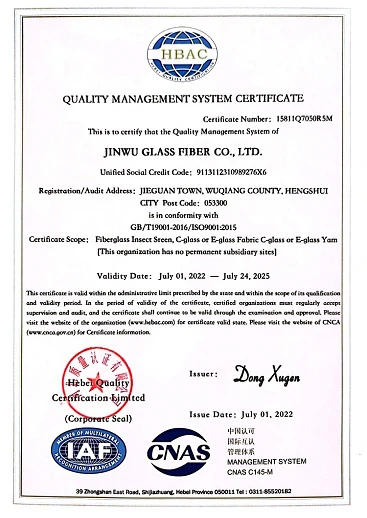
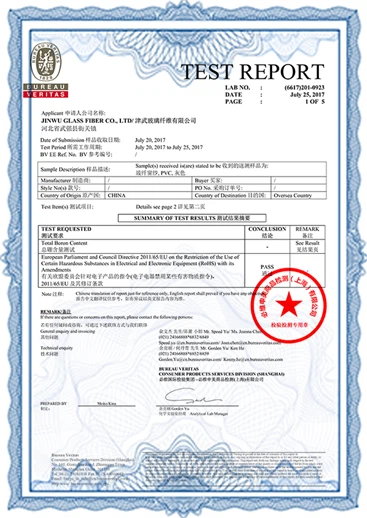
Our unwavering commitment to excellence is further validated by our ISO9001 certification, a testament to our flawless management practices since 2001. We harness state-of-the-art technology and cutting-edge machinery to ensure that every product we deliver meets the highest standards of quality and performance.
Our service
We try and respond to all concerns within 24 hours and our teams are always at your disposal in case of any emergencies.
What Is Fiberglass Insect Screen Used For?
Fiberglass insect screen, also known as fiberglass mesh or fiberglass insect screen, is a versatile material used for a variety of applications in residential, commercial, and industrial settings. Here are some common uses of fiberglass insect screen:
Window Screens
Installed in residential and commercial windows to allow ventilation while keeping insects out—ideal for bedrooms, kitchens, and living areas.
Door Screens
Used in sliding doors, hinged doors, and screen doors to protect entry points from mosquitoes and flies without blocking airflow.
Patio & Porch Enclosures
Perfect for enclosing patios, balconies, or gazebos, creating a comfortable outdoor space free from bugs and pests.
Pool & Pool Cage Screens
Widely used around pool areas and lanai enclosures to keep out debris and insects while maintaining visibility and airflow.
Pet-Proof and Child-Safe Areas
Reinforced fiberglass screens are used in areas where stronger resistance is needed to withstand pets’ claws or provide safety for children.
Greenhouses & Ventilation Systems
Used to cover vents and openings in greenhouses or agricultural buildings, protecting plants from harmful insects while ensuring proper airflow.
How Do I Fit Fiberglass Insect Screen
Fitting fiberglass insect screen to make a fly screen involves the following steps:
Measure the area where the mesh will be fitted
Measure the height and width of the window or door frame, or the area to be screened.
Cut the mesh to size
Cut the mesh to the required size using scissors or a sharp knife. Allow for an additional 2-3 cm around the perimeter to ensure a snug fit.
Install the mesh
Depending on the application, there are several methods for installing fiberglass insect mesh, including using a frame, tucking the mesh into a groove, or using adhesive or clips to secure the mesh in place.
Finishing
Once the mesh is in place, use masking tape or a similar product to secure the edges and prevent the mesh from unravelling. For a more permanent solution, you can use a sealant or silicone to secure the edges of the mesh and provide a watertight seal.
Test
Check the mesh for any gaps or holes, and adjust as necessary. Test the mesh by opening and closing the window or door to ensure it functions properly and does not interfere with its operation. It is important to follow the manufacturer’s instructions and guidelines when fitting fiberglass insect mesh, as the specific requirements will vary depending on the type of mesh and the application.
Steps to Replace Window Net Fiberglass Insect Screens
Replacing window fiberglass insect screens is a straightforward process that can greatly enhance the appearance and functionality of your windows. Here are the steps to guide you through the process:
Remove the old screen
Carefully take out the existing screen from the window frame. This usually involves gently prying out the spline (the rubber material that holds the screen in place) and then lifting the screen out.
Align replacement screen
Place the new fiberglass screen over the frame. Ensure it is properly aligned, covering the entire frame with a slight overhang on all sides.
Cut new spline pieces
Measure and cut new spline pieces to fit the frame. This step is crucial as old splines may have lost their elasticity and may not hold the new screen securely.
Press the spline into the groove
Using a spline roller tool, press the spline into the frame’s groove. Start from one corner and work your way around the frame. This secures the screen in place.
Trim the excess screen
Once the spline is securely in place, use a utility knife to trim off the excess screen material. Be careful to cut as close to the spline as possible without damaging it.

Fiberglass Insect Screen Mesh Colour – Does It Matter?
Yes, color plays an important role when choosing fiberglass insect screen mesh—not only for aesthetics but also for visibility, lighting, and overall performance. The most common colors are grey, black, and white, each offering distinct advantages depending on the application.
Grey Screen
The most popular choice for residential use. Grey strikes a balance between visibility and privacy, reducing glare while blending well with most window frames. It allows natural light to pass through without making the mesh too noticeable.
Black Screen
Black screens offer excellent visibility due to their low reflectivity. This “invisible screen” effect makes them ideal when a clear view of the outdoors is a priority—such as in living rooms, patios, or scenic areas.
White Screen
White mesh provides a brighter and cleaner appearance but can be more reflective, which may slightly reduce outward visibility. It is often used in light-colored window frames or for aesthetic purposes in modern homes.
Custom Colors
Some projects require fiberglass screens in custom colors like green, brown, or charcoal to match architectural styles or special applications. Customization is available upon request for bulk orders.
Choosing Good Quality Fiberglass Insect Screens
When selecting a high-quality fiberglass insect screen, it’s important to look beyond the price. A well-made screen provides long-term durability, reliable insect protection, and better performance in harsh environments. Here are key factors to consider:
Mesh Density & Uniform Weaving
Look for consistent mesh sizes such as 18x16, 18x14, or 20x20, with evenly spaced, tightly woven yarns. Uniform mesh ensures effective insect resistance and a clean, professional appearance.
High-Strength Fiberglass Yarn
Premium screens are made from alkali-free fiberglass yarn coated with high-grade PVC. This results in better tensile strength, flexibility, and resistance to tearing or stretching.
Thick and Durable Coating
A thicker PVC coating ensures better UV protection, weather resistance, and color retention. Low-quality coatings may become brittle or fade quickly under sun exposure.
Flame Retardant and Corrosion-Resistant
Choose screens with certified flame retardancy and anti-corrosion properties, especially if used in areas with high temperatures, humidity, or coastal environments.
Trusted Manufacturer or Brand
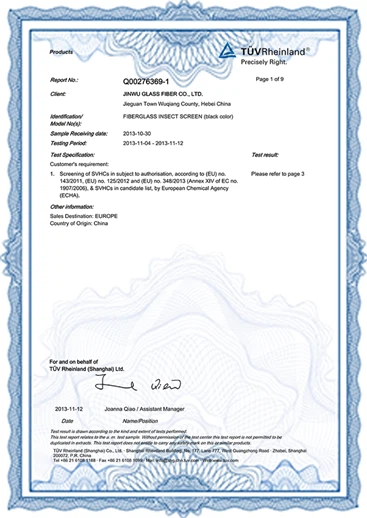
Buy from a manufacturer with years of production experience and quality control systems in place. Look for certifications like ISO, SGS, or REACH compliance to ensure product reliability.
How to Maintain and Clean Your Fiberglass Insect Screen
Keeping your fiberglass insect screen clean not only improves its appearance but also ensures maximum airflow, visibility, and long-term performance. Fortunately, fiberglass mesh is easy to maintain with just a few simple steps.
Regular Maintenance Tips:
1. Dust Off Monthly
Use a soft brush, microfiber cloth, or vacuum cleaner with a brush attachment to remove dust, pollen, and cobwebs from both sides of the screen.
2. Inspect for Damage
Check the mesh regularly for tears, holes, or loose edges—especially around the frame. Repair minor damage promptly to maintain insect protection.
How to Deep Clean Your Fiberglass Screen:
Step 1: Remove the Screen (if possible)
Take the screen out of the window or door frame for easier and more thorough cleaning.
Step 2: Rinse with Water
Use a garden hose or spray bottle to gently rinse off loose dirt.
Step 3: Wash with Mild Soap
Mix a small amount of mild dish soap with water. Use a soft sponge or cloth to gently scrub the mesh and frame.
Step 4: Rinse Again
Rinse off all soap residues with clean water.
Step 5: Let It Dry
Air-dry the screen in a shaded area before reinstalling to avoid water spots or mold growth.
⚠️ Tips to Avoid Damage
- Don’t use harsh chemicals or abrasive scrubbers—they can damage the PVC coating.
- Avoid high-pressure washers, which may stretch or tear the mesh.
- Always handle screens gently during removal and reinstallation.
🛠️ Long-Term Care Advice
With regular cleaning and occasional inspection, fiberglass insect screens can last 5–10 years or longer, depending on exposure to sun, weather, and use. Proper maintenance keeps your space clean, insect-free, and looking great year-round.
Our factory
Established in 1985, Jinwu Glass Fiber Co., Ltd. has evolved into a leading force in the fiberglass manufacturing industry. Operating from a modern 30,000-square-meter facility and supported by a skilled workforce of 260 professionals, we specialize in delivering a diverse portfolio of high-performance fiberglass products. Our offerings include Fiberglass Insect Screens for residential protection, Pool & Patio Screen Mesh for enhanced outdoor comfort, and innovative Fiberglass Sunshade Fabrics designed for superior UV control and aesthetic appeal.
Certified under the ISO 9001 quality management system since 2001, Jinwu maintains a rigorous commitment to operational excellence, precision engineering, and continuous innovation. Our production integrates advanced technology and cutting-edge equipment, ensuring consistent product quality that meets—and often exceeds—global standards.
We welcome partners and clients to experience our commitment to quality, reliability, and service. Choose Jinwu Glass Fiber Co., Ltd. as your trusted partner in fiberglass solutions—where performance meets precision, and innovation drives results.

Certificate

Frequently Asked Questions – Fiberglass Insect Screen (FAQs)
1. What is fiberglass insect screen made of?
It is woven from PVC-coated fiberglass yarn, offering strength, flexibility, and weather resistance.
2. What mesh sizes are available?
Common sizes include 18x16, 18x14, and 20x20 mesh per inch, suitable for various levels of airflow and insect protection.
3. What are the standard colors?
Typical colors include grey, black, and white. Custom colors like charcoal, green, or brown are available upon request.
4. Can I use fiberglass screen outdoors?
Yes, it is UV-resistant, waterproof, and corrosion-proof, making it ideal for indoor and outdoor applications.
5. Is fiberglass insect screen fire-resistant?
Yes, high-quality fiberglass mesh is flame retardant and complies with relevant safety standards.
6. Does the screen block UV rays?
Yes, the PVC coating provides a degree of UV protection, helping reduce indoor fading and glare.
7. Can I cut the screen to custom sizes?
Absolutely. It is easy to cut with scissors or a utility knife and can be fitted to any frame.
8. How long does fiberglass screen last?
With proper maintenance, it can last 5 to 10 years or more, depending on usage and exposure to the elements.
9. Will the mesh rust over time?
No. Unlike metal screens, fiberglass mesh is completely rust-proof and corrosion-resistant.
10. Is it pet-resistant?
Standard fiberglass mesh is not pet-resistant. However, we offer pet screen options with thicker, stronger yarns for homes with pets.
11. Can it be used in coastal areas?
Yes. Fiberglass insect screen is ideal for humid or coastal environments because it does not corrode or degrade in salty air.
12. Is the mesh visible from inside?
Black mesh offers the best visibility, appearing nearly invisible from inside. Grey provides a balance between visibility and light control.
13. What widths are available?
We offer standard widths from 0.8 meters to 2.4 meters. Custom widths can be produced upon request.
14. What is the typical roll length?
Rolls are commonly available in 30m, 50m, and 100m lengths, depending on customer needs.
15. Can the screen be cleaned?
Yes, it is easy to clean using mild soap and water. Avoid harsh chemicals or abrasive tools.
16. Is it suitable for DIY projects?
Definitely. Fiberglass mesh is lightweight and flexible, making it perfect for DIY window or door repairs.
17. Can you provide OEM or private label services?
Yes, we support OEM & custom branding including packaging, labels, and logo printing.
18. What is your minimum order quantity (MOQ)?
The MOQ depends on the product type and specifications. Please contact us directly for details.
19. How is the product packed?
Rolls are typically packed in plastic film and cartons. Custom packaging is available on request.
20. Do you ship internationally?
Yes, we export to over 40 countries worldwide. We can handle all export procedures and documentation.
We're professional fiberglass insect screen manufacturers in China, specialized in providing high quality customized service. We warmly welcome you to wholesale discount fiberglass insect screen made in China here from our factory. Quality products and low price are available.
fiberglass insect screen handles, fiberglass insect screen for enclosure, fiberglass netting for insect screen