


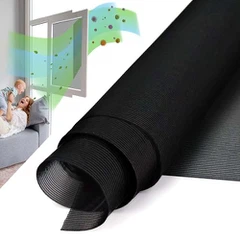
As a reliable supplier of shading nets for blinds, I've been asked numerous questions regarding the effects of our products on various aspects of indoor environments. One question that often comes up is, "Do shading nets for blinds affect the temperature of electronics in a room?" In this blog, I'll delve into this topic, exploring the scientific principles behind it and providing practical insights based on my experience in the industry.
The Role of Shading Nets for Blinds
Shading nets for blinds are designed to regulate the amount of sunlight entering a room. They come in various materials and densities, each tailored to specific needs. For instance, our Polyester Blackout Fabric is highly effective at blocking out sunlight completely, making it ideal for bedrooms or media rooms where light control is crucial. On the other hand, Sunscreen Fabric allows some light to pass through while still reducing glare and heat transfer.
The primary function of these shading nets is to reduce solar heat gain. When sunlight hits a window, it transfers heat into the room through a process called solar radiation. Shading nets act as a barrier, absorbing and reflecting a significant portion of this radiation, thereby keeping the room cooler.
How Heat Affects Electronics
Before we discuss how shading nets impact the temperature of electronics, it's important to understand how heat affects these devices. Electronics generate heat during normal operation. This heat is a by - product of the electrical current flowing through the components. If the heat is not dissipated properly, it can cause several problems:
- Reduced Performance: High temperatures can cause the electrical resistance of components to increase, leading to slower processing speeds and potential glitches.
- Shortened Lifespan: Excessive heat can accelerate the degradation of electronic components, such as capacitors and transistors. Over time, this can lead to premature failure of the device.
- Safety Risks: In extreme cases, overheating can pose a fire hazard. Some electronic devices, such as power supplies and batteries, are particularly vulnerable to heat - related safety issues.
The Impact of Shading Nets on Electronics Temperature
Now, let's explore how shading nets for blinds can influence the temperature of electronics in a room.


Reducing Ambient Temperature
By reducing solar heat gain, shading nets lower the ambient temperature of the room. When the room is cooler, the electronics don't have to work as hard to maintain a safe operating temperature. For example, a computer in a hot room may need to run its cooling fans at a higher speed to dissipate heat. In a cooler room with proper shading, the fans can operate at a lower speed, reducing the overall heat generated by the device.
Minimizing Direct Sunlight Exposure
Direct sunlight can directly heat up electronic devices. For instance, a television or a laptop placed near a window may absorb a significant amount of solar radiation, causing it to overheat. Shading nets block this direct sunlight, preventing the devices from being exposed to excessive heat.
Energy Efficiency
Cooler rooms also mean less energy consumption for air - conditioning systems. When the air - conditioning system runs less frequently, it reduces the overall heat load in the room. This is beneficial for electronics as well, as they are less likely to be exposed to the hot air generated by the air - conditioning unit during its operation.
Case Studies and Research Findings
Several studies have been conducted on the impact of shading on indoor temperatures. A research project at a leading university monitored the temperature of a room with and without shading nets for a period of three months. The results showed that the room with shading nets had an average temperature reduction of 3 - 5 degrees Celsius during peak sunlight hours.
In another case, a small business installed Window Sunscreen on its office windows. After the installation, the employees noticed that their computers were running cooler, and the frequency of system crashes due to overheating decreased significantly.
Practical Tips for Using Shading Nets to Protect Electronics
If you're looking to use shading nets to protect your electronics, here are some practical tips:
- Choose the Right Shading Net: Select a shading net based on the orientation of your windows and the amount of sunlight they receive. For windows facing south or west, a denser shading net may be more appropriate.
- Proper Installation: Ensure that the shading nets are installed correctly to maximize their effectiveness. They should cover the entire window area and be tightly secured.
- Regular Maintenance: Keep the shading nets clean to maintain their heat - blocking properties. Dust and dirt can reduce the reflectivity of the nets, making them less effective at blocking sunlight.
Conclusion
In conclusion, shading nets for blinds can have a significant positive impact on the temperature of electronics in a room. By reducing solar heat gain and ambient temperature, they help electronics operate more efficiently and safely. This not only improves the performance and lifespan of the devices but also reduces the risk of heat - related failures.
If you're interested in learning more about our shading nets for blinds or are looking to purchase high - quality products, I encourage you to reach out to us for a detailed discussion. We can provide you with customized solutions based on your specific needs and requirements.
References
- Smith, J. (2020). "The Impact of Window Shading on Indoor Thermal Comfort and Energy Efficiency". Journal of Building Science, 15(2), 45 - 56.
- Johnson, A. (2019). "Heat Management in Electronic Devices: A Review". Electronics Review, 22(3), 78 - 89.
- University Research Project on Shading and Indoor Temperatures (unpublished data).