


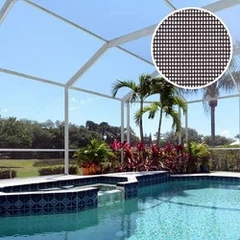
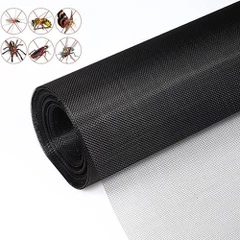
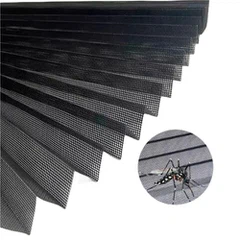
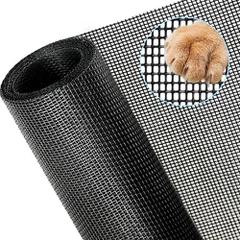
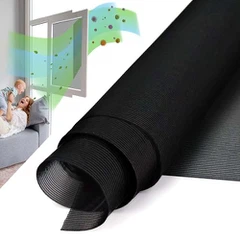
As a supplier of polyester shading mesh, I often get asked about the recyclability of our products. Polyester shading mesh is widely used in various applications, from agricultural shading to architectural sun control. In this blog post, I'll explore the question of whether polyester shading mesh is recyclable, considering the material properties, recycling processes, and environmental implications.
Understanding Polyester Shading Mesh
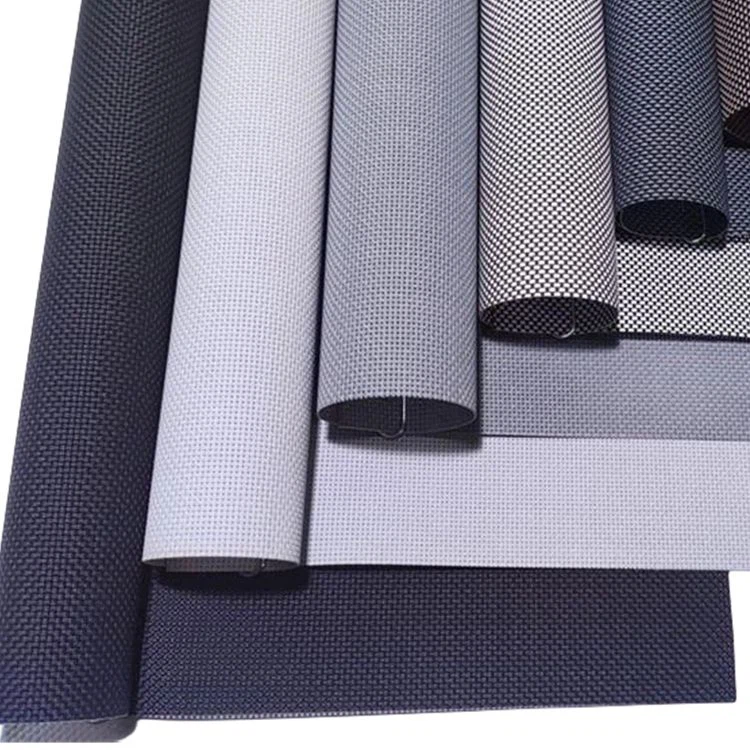
Polyester shading mesh is made from polyester fibers, a synthetic polymer derived from petroleum. These fibers are woven or knitted into a mesh structure, which provides shading by blocking a certain percentage of sunlight. The mesh can be customized in terms of density, color, and UV resistance to meet different customer needs. For instance, our Sunscreen Blind Fabric offers excellent light control and durability for indoor applications, while the Exterior Sun Control Mesh is designed to withstand harsh outdoor conditions.
The Recyclability of Polyester
Polyester is generally considered a recyclable material. There are two main methods of recycling polyester: mechanical recycling and chemical recycling.
Mechanical Recycling
Mechanical recycling involves breaking down the polyester material into small pieces, usually through shredding and melting. These pieces are then re - extruded into new polyester fibers or pellets, which can be used to make new products. However, this process has some limitations when it comes to polyester shading mesh.
The mesh structure of the shading material can make it more difficult to process compared to solid polyester products. The presence of dyes, coatings, and other additives used to enhance the mesh's performance can also complicate the recycling process. These additives may need to be removed before the polyester can be effectively recycled, and the removal process can be costly and energy - intensive.
Chemical Recycling
Chemical recycling, on the other hand, breaks down the polyester at a molecular level. It involves using chemicals to depolymerize the polyester back into its original monomers, which can then be used to produce new polyester. This method can handle more complex polyester products, including those with additives and dyes. However, chemical recycling is still a relatively new and expensive technology, and there are only a limited number of facilities capable of performing it.

Factors Affecting the Recyclability of Polyester Shading Mesh
Several factors determine whether a particular polyester shading mesh can be recycled:
Material Purity
The purity of the polyester in the mesh is crucial. If the mesh contains a high proportion of other materials, such as metal wires for reinforcement or non - polyester coatings, it will be more difficult to recycle. Our Customizable Colors Sunscreen Fabric is made with a focus on maintaining a high polyester content, which improves its potential for recycling.
Additives and Coatings
As mentioned earlier, additives and coatings used to enhance the performance of the shading mesh can pose challenges to recycling. For example, UV - resistant coatings may need to be removed before the polyester can be recycled. Some of these coatings are designed to be long - lasting and resistant to degradation, which makes them difficult to separate from the polyester.
Collection and Sorting
The collection and sorting of used polyester shading mesh are also important. In many cases, shading mesh is not collected separately from other waste, which makes it difficult to direct it to the appropriate recycling facilities. Additionally, sorting the mesh based on its composition and quality can be a complex task, especially when different types of shading mesh are mixed together.
Environmental Implications of Recycling Polyester Shading Mesh
Recycling polyester shading mesh has several environmental benefits. By recycling, we can reduce the demand for virgin polyester, which is derived from non - renewable petroleum resources. This helps to conserve natural resources and reduce the carbon footprint associated with polyester production.
Recycling also reduces the amount of waste sent to landfills. Polyester is a non - biodegradable material, and when it ends up in landfills, it can take hundreds of years to break down. By recycling polyester shading mesh, we can prevent it from contributing to the growing problem of landfill waste.
However, the recycling process itself also has some environmental impacts. Both mechanical and chemical recycling require energy and resources. For example, mechanical recycling involves melting the polyester, which consumes a significant amount of energy. Chemical recycling requires the use of chemicals, which can have environmental consequences if not managed properly.
Our Efforts as a Supplier
As a supplier of polyester shading mesh, we are committed to promoting sustainable practices. We are constantly researching and developing new products that are more recyclable. This includes using fewer additives and coatings in our shading mesh and ensuring that the materials we use are of high purity.
We also work with our customers to encourage proper disposal and recycling of our products. We provide information on the recyclability of our shading mesh and offer guidance on how to recycle it. In addition, we are exploring partnerships with recycling facilities to improve the collection and recycling process for our products.
The Future of Polyester Shading Mesh Recycling
The future of polyester shading mesh recycling looks promising. As technology advances, the cost and efficiency of both mechanical and chemical recycling are likely to improve. New methods may be developed to more effectively handle the complex structure and additives of shading mesh.
There is also a growing awareness among consumers and businesses about the importance of sustainability. This is likely to drive the demand for more recyclable products, including polyester shading mesh. As a result, we expect to see an increase in the recycling rate of polyester shading mesh in the coming years.
Conclusion
In conclusion, while polyester shading mesh is technically recyclable, there are several challenges that need to be overcome. The mesh structure, additives, and collection and sorting processes all play a role in determining its recyclability. However, with the right technology, processes, and partnerships, we can improve the recycling rate of polyester shading mesh and reduce its environmental impact.
If you are interested in our polyester shading mesh products or have any questions about their recyclability, please feel free to contact us. We are always happy to discuss your needs and provide more information on our sustainable solutions. Let's work together to create a more sustainable future with our high - quality polyester shading mesh.
References
- Allen, S. J., & Shonnard, D. R. (2016). Recycling of Polyester Textiles: A Review. Journal of Industrial and Engineering Chemistry, 33, 20 - 27.
- Shen, L., & Liu, Y. (2018). Chemical Recycling of Polyester Waste: A Review. Polymer Degradation and Stability, 156, 17 - 28.
- Thompson, R. C., Moore, C. J., vom Saal, F. S., & Swan, S. H. (2009). Plastics, the Environment and Human Health: Current Consensus and Future Trends. Philosophical Transactions of the Royal Society B: Biological Sciences, 364(1526), 2153 - 2166.