

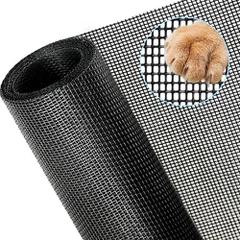
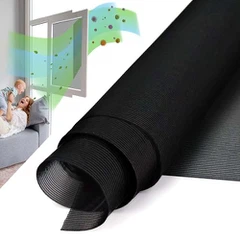
When it comes to outfitting your pool area with a screen, one of the most common questions homeowners and pool owners ask is, "Is a fiberglass pool screen more expensive than a vinyl pool screen?" As a supplier of fiberglass pool screens, I'm here to shed some light on this topic and provide you with the information you need to make an informed decision.
Understanding the Basics: Fiberglass vs. Vinyl Pool Screens
Before we delve into the cost comparison, let's first understand the fundamental differences between fiberglass and vinyl pool screens.
Fiberglass pool screens are made from a woven fiberglass material that is coated with a protective finish. This type of screen is known for its durability, resistance to corrosion, and ability to withstand harsh weather conditions. Fiberglass screens also offer excellent visibility and airflow, making them a popular choice for pool enclosures. You can find more information about Fiberglass Pool Screen on our website.
On the other hand, vinyl pool screens are made from a synthetic vinyl material. Vinyl screens are typically less expensive than fiberglass screens and are available in a wider range of colors. However, they are not as durable as fiberglass screens and may require more frequent replacement, especially in areas with extreme weather conditions.
Factors Affecting the Cost
The cost of a pool screen is influenced by several factors, including the material, size, quality, and installation. Let's take a closer look at how these factors impact the cost of fiberglass and vinyl pool screens.
Material
As mentioned earlier, fiberglass is generally more expensive than vinyl. This is because fiberglass is a higher-quality material that offers better durability and performance. The manufacturing process of fiberglass screens is also more complex, which adds to the cost. However, the long-term benefits of fiberglass screens, such as their resistance to corrosion and fading, often make them a more cost-effective choice in the long run.
Size
The size of the pool screen is another important factor that affects the cost. Larger screens require more material and labor to install, which can increase the overall cost. Whether you choose a fiberglass or vinyl screen, the price will increase proportionally with the size of the screen.

Quality
The quality of the pool screen also plays a significant role in determining the cost. Higher-quality screens are made from better materials and are more likely to last longer. Fiberglass screens, in particular, come in different grades of quality, with higher-grade screens offering better performance and durability. While these screens may be more expensive upfront, they can save you money in the long term by reducing the need for frequent replacement.
Installation
The cost of installation is another factor to consider when comparing the cost of fiberglass and vinyl pool screens. Installation costs can vary depending on the complexity of the project, the location, and the installer. In general, fiberglass screens may require more specialized installation techniques, which can increase the installation cost. However, it's important to choose a professional installer to ensure that the screen is installed correctly and safely.
Cost Comparison
Now that we've discussed the factors that affect the cost of pool screens, let's compare the average cost of fiberglass and vinyl pool screens.
On average, fiberglass pool screens can cost anywhere from $2 to $5 per square foot, depending on the quality and size. Vinyl pool screens, on the other hand, typically cost between $1 and $3 per square foot. While the upfront cost of vinyl screens is lower, it's important to consider the long-term costs associated with maintenance and replacement.
Fiberglass screens are more durable and can last up to 10-15 years with proper care, while vinyl screens may need to be replaced every 3-5 years. Over the long term, the cost of replacing vinyl screens multiple times can add up, making fiberglass screens a more cost-effective choice.
Benefits of Fiberglass Pool Screens
In addition to their durability and long lifespan, fiberglass pool screens offer several other benefits that make them a popular choice for pool owners.
Visibility
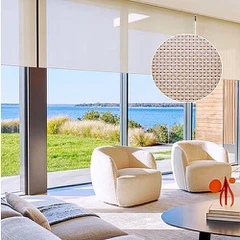
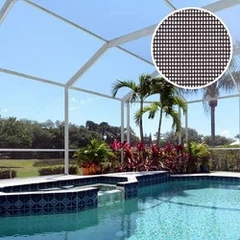
Fiberglass screens offer excellent visibility, allowing you to enjoy unobstructed views of your pool and surrounding area. This is especially important if you have a beautiful pool or a scenic backyard.
Airflow
Fiberglass screens also provide good airflow, which helps to keep your pool area cool and comfortable. This is particularly beneficial in hot and humid climates, where proper ventilation is essential.
Insect Protection
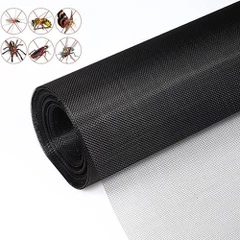
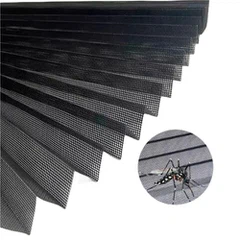
One of the primary functions of a pool screen is to keep insects out of your pool area. Fiberglass screens are highly effective at keeping insects at bay, allowing you to enjoy your pool without being bothered by mosquitoes and other pests.
Aesthetics
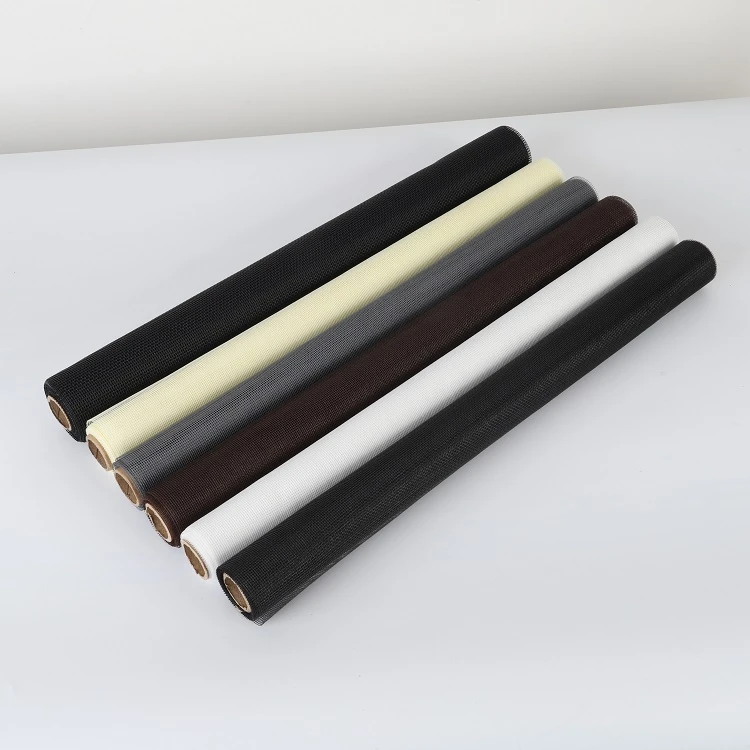
Fiberglass screens are available in a variety of colors and styles, allowing you to choose a screen that complements the look of your pool and home. Whether you prefer a traditional or modern look, there is a fiberglass screen that will meet your needs.
Conclusion
So, is a fiberglass pool screen more expensive than a vinyl pool screen? The answer is yes, fiberglass screens are generally more expensive upfront. However, when you consider the long-term benefits, such as durability, performance, and aesthetics, fiberglass screens are often a more cost-effective choice.
If you're looking for a high-quality, long-lasting pool screen that offers excellent visibility, airflow, and insect protection, then a fiberglass pool screen is the way to go. At Pool & Patio Screen, we offer a wide range of fiberglass pool screens to suit your needs and budget. Our screens are made from the highest-quality materials and are installed by experienced professionals to ensure a perfect fit.
If you're interested in learning more about our fiberglass pool screens or would like to request a quote, please don't hesitate to contact us. We're here to help you make the best decision for your pool and home.
References
- "Pool Screens: Fiberglass vs. Vinyl." HomeAdvisor.
- "Choosing the Right Pool Screen Material." Pool & Spa News.
- "Benefits of Fiberglass Pool Screens." The Spruce.