


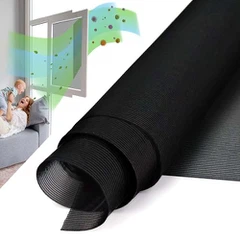
In recent years, the issue of air quality has become a growing concern for many individuals, especially those who suffer from allergies or respiratory problems. Pollen and dust can easily enter our homes through open windows, causing discomfort and health issues. As a supplier of pollen net for Windows, I am often asked about the energy consumption associated with these products. In this blog post, I will delve into the topic and provide you with a comprehensive understanding of the energy consumption of pollen nets for Windows.
Understanding Pollen Nets for Windows
Pollen nets for Windows, also known as Pollen and Dust Window Screens, are designed to filter out pollen, dust, and other airborne particles while allowing fresh air to circulate into your home. These nets are typically made of a fine mesh material that is installed over your existing windows. They are an effective and affordable solution for reducing indoor air pollution and improving the quality of the air you breathe.
There are several types of pollen nets available on the market, including Pollen Mesh for Windows and Pollen Proof Window Screen. Each type has its own unique features and benefits, but they all serve the same purpose of filtering out pollen and dust.
Energy Consumption Factors
When it comes to the energy consumption of pollen nets for Windows, there are several factors to consider. These factors can have a significant impact on the overall energy efficiency of your home.
Airflow Resistance
One of the primary factors that affect the energy consumption of pollen nets is airflow resistance. The mesh material used in pollen nets can create a barrier that restricts the flow of air into your home. This can lead to increased energy consumption as your HVAC system has to work harder to maintain a comfortable indoor temperature.
However, not all pollen nets are created equal. Some nets are designed with a more open mesh structure, which allows for better airflow and reduces the impact on energy consumption. When choosing a pollen net for your Windows, it is important to look for a product that has been tested for airflow resistance and has a low resistance rating.
Insulation Properties
Another factor that can affect the energy consumption of pollen nets is their insulation properties. Pollen nets can act as an additional layer of insulation for your windows, helping to reduce heat transfer and keep your home cooler in the summer and warmer in the winter.
Some pollen nets are made with materials that have high insulation values, such as polyester or nylon. These materials can help to reduce energy consumption by reducing the amount of heat that is lost or gained through your windows. When choosing a pollen net, it is important to consider the insulation properties of the material and choose a product that offers good insulation.
Installation Quality
The installation quality of your pollen net can also have an impact on its energy consumption. A poorly installed pollen net can create gaps and leaks around the edges of the window, allowing air to escape and reducing the effectiveness of the net.
To ensure that your pollen net is installed correctly, it is important to hire a professional installer or follow the manufacturer's installation instructions carefully. A properly installed pollen net will provide a tight seal around the window, reducing air leakage and improving energy efficiency.
Measuring Energy Consumption
Measuring the energy consumption of pollen nets for Windows can be a complex process. There are several methods that can be used to measure energy consumption, including:
Energy Audits
An energy audit is a comprehensive assessment of your home's energy usage. During an energy audit, a professional energy auditor will evaluate your home's insulation, HVAC system, windows, and other energy-consuming components. They will also measure the energy consumption of your pollen net and provide you with recommendations for improving energy efficiency.
Energy Monitoring Systems
Energy monitoring systems are devices that can be installed in your home to track your energy usage in real-time. These systems can provide you with detailed information about your energy consumption, including how much energy is being used by your pollen net.
Computer Modeling
Computer modeling is a technique that uses software to simulate the energy performance of your home. By inputting data about your home's insulation, HVAC system, windows, and other energy-consuming components, a computer model can predict the energy consumption of your pollen net and provide you with recommendations for improving energy efficiency.
Tips for Reducing Energy Consumption
If you are concerned about the energy consumption of your pollen net for Windows, there are several tips that you can follow to reduce energy usage:
Choose a High-Quality Pollen Net
As mentioned earlier, not all pollen nets are created equal. When choosing a pollen net for your Windows, it is important to choose a high-quality product that has been tested for airflow resistance and has good insulation properties. A high-quality pollen net will provide better filtration and reduce the impact on energy consumption.
Maintain Your HVAC System
Regular maintenance of your HVAC system is essential for ensuring that it is operating efficiently. A well-maintained HVAC system will use less energy and provide better comfort in your home. Make sure to have your HVAC system serviced regularly by a professional technician.
Use Natural Ventilation
In addition to using a pollen net, you can also use natural ventilation to reduce energy consumption. Opening your windows on cool days and nights can help to circulate fresh air into your home and reduce the need for air conditioning.


Seal Air Leaks
Sealing air leaks around your windows and doors is another effective way to reduce energy consumption. Use weatherstripping and caulking to seal any gaps or cracks around your windows and doors. This will help to prevent air from escaping and reduce the amount of energy needed to heat or cool your home.
Conclusion
In conclusion, the energy consumption of pollen nets for Windows can vary depending on several factors, including airflow resistance, insulation properties, and installation quality. By choosing a high-quality pollen net, maintaining your HVAC system, using natural ventilation, and sealing air leaks, you can reduce the energy consumption of your pollen net and improve the energy efficiency of your home.
If you are interested in purchasing a pollen net for your Windows or have any questions about the energy consumption of these products, please feel free to contact us. We are a leading supplier of Pollen and Dust Window Screens, Pollen Mesh for Windows, and Pollen Proof Window Screen, and we would be happy to assist you with your needs.
References
- ASHRAE Handbook of Fundamentals. American Society of Heating, Refrigerating and Air-Conditioning Engineers.
- Building America Program. U.S. Department of Energy.
- Energy Star. U.S. Environmental Protection Agency.