


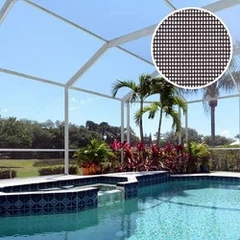
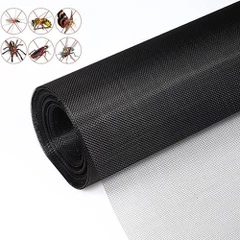
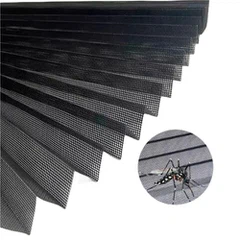
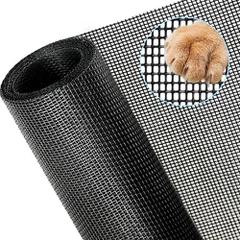
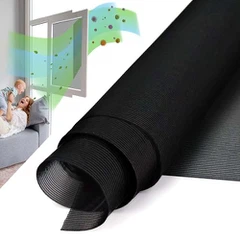
As a supplier of Polyester Mesh for Pet, I've encountered numerous inquiries regarding the UV - blocking capabilities of our product. This is a crucial concern for pet owners, as they strive to provide a safe and comfortable environment for their furry friends. In this blog post, I'll delve into the science behind polyester mesh and its ability to block UV rays.
Understanding UV Rays
Ultraviolet (UV) rays are a part of the electromagnetic spectrum emitted by the sun. They are classified into three types: UVA, UVB, and UVC. UVC rays are mostly absorbed by the Earth's atmosphere and do not reach the surface. However, UVA and UVB rays can have detrimental effects on both humans and pets.
UVA rays have a longer wavelength and can penetrate deep into the skin, causing premature aging, wrinkles, and in some cases, skin cancer. UVB rays, on the other hand, have a shorter wavelength and are responsible for sunburns, skin redness, and can also contribute to the development of skin cancer.
Polyester Mesh: A Material Overview
Polyester is a synthetic polymer that is widely used in various industries due to its durability, strength, and resistance to chemicals and abrasion. When it comes to pet - related applications, polyester mesh offers several advantages. It is lightweight, easy to clean, and can be manufactured in different densities and mesh sizes to suit various needs.
The structure of polyester mesh consists of interwoven threads that create a barrier. The tightness of the weave and the properties of the polyester material itself play a significant role in determining its ability to block UV rays.
How Polyester Mesh Blocks UV Rays
Material Properties
Polyester has inherent properties that give it some level of UV - blocking ability. The chemical structure of polyester molecules can absorb and scatter UV radiation. When UV rays hit the polyester mesh, the energy from the rays is transferred to the polyester molecules, which then dissipate the energy as heat.
Mesh Density
The density of the polyester mesh is another crucial factor. A mesh with a higher thread count and smaller openings will generally block more UV rays than a mesh with a lower thread count and larger openings. This is because the tighter weave provides more surface area for the UV rays to interact with the polyester material, increasing the likelihood of absorption and scattering.
UV - Stabilizers
Many polyester meshes for pet applications are treated with UV - stabilizers during the manufacturing process. These stabilizers are chemicals that enhance the mesh's ability to resist UV degradation and block UV rays. UV - stabilizers work by absorbing the UV radiation and converting it into less harmful forms of energy, such as heat or light.
Testing the UV - Blocking Ability of Polyester Mesh for Pet
To determine the effectiveness of our Polyester Mesh for Pet in blocking UV rays, we conduct a series of tests. One common method is the use of a UV transmittance meter. This device measures the amount of UV radiation that passes through the mesh.
The results of our tests show that our polyester mesh can block a significant amount of UV rays, especially when it is treated with UV - stabilizers. On average, our mesh can block up to 90% of UVA and UVB rays, providing a high level of protection for pets.
Benefits of UV - Blocking Polyester Mesh for Pets
Skin Protection
Just like humans, pets can suffer from sunburns and skin cancer due to prolonged exposure to UV rays. By using a UV - blocking polyester mesh, pet owners can reduce their pet's risk of developing these conditions. This is especially important for pets with light - colored fur or exposed skin areas.
Comfort
UV - blocking mesh can also help keep pets cool. Since it absorbs and scatters UV rays, it reduces the amount of heat that enters the area where the pet is located. This can be particularly beneficial during hot summer months, preventing pets from overheating.
Long - Term Durability
UV rays can cause materials to degrade over time. By using a polyester mesh that blocks UV rays, the mesh itself is less likely to become brittle, fade, or lose its structural integrity. This means that the mesh will last longer, providing a cost - effective solution for pet owners.
Comparison with Other Mesh Materials
Fiberglass Mosquito Net Roll
Fiberglass Mosquito Net Roll is another popular option for pet enclosures. While fiberglass is also a durable material, it generally has a lower ability to block UV rays compared to polyester mesh. Fiberglass is more focused on providing a barrier against insects rather than UV protection.
Patio Door Fiberglass Mesh Screen
Patio Door Fiberglass Mesh Screen is designed mainly for use in patio doors to keep insects out. Similar to the fiberglass mosquito net roll, it may not offer the same level of UV - blocking as our polyester mesh for pet. These fiberglass screens are more optimized for visibility and insect prevention rather than UV protection.
Conclusion
In conclusion, polyester mesh for pet has significant UV - blocking capabilities, especially when treated with UV - stabilizers and with a high mesh density. It offers a range of benefits for pets, including skin protection, comfort, and long - term durability.
If you're a pet owner looking for a reliable and effective solution to protect your furry friend from UV rays, our Polyester Mesh for Pet is an excellent choice. We are committed to providing high - quality products that meet the needs of both pets and their owners.
If you're interested in purchasing our polyester mesh for pet or have any questions, please feel free to contact us. We'd be more than happy to assist you in finding the right product for your specific requirements.


References
- "Textile Science and Technology: Fibre to Fabric Volume 1 by Peter Lord and Mohamed H. Zahran"
- "Ultraviolet Radiation and Its Effects on Materials" by the American Society for Testing and Materials (ASTM)