


Hey there! As a supplier of pollen screen meshes, I've been getting a lot of questions lately about whether these things actually work to filter pollen. So, I thought I'd take a deep dive into this topic and share some insights with you all.
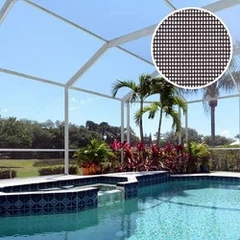
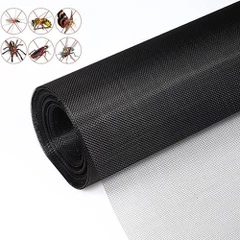
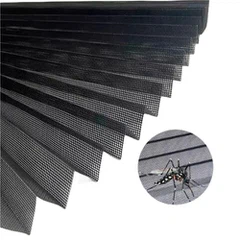
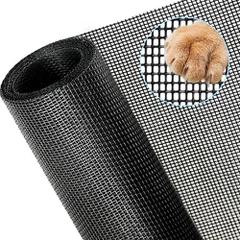
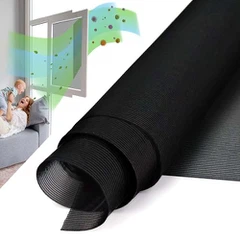
First off, let's talk about what pollen screen meshes are. These are basically fine - woven screens that you can install on your windows or vents. They're designed to block pollen particles from entering your home while still allowing fresh air to flow through. Sounds great in theory, right? But do they really live up to the hype?
To understand if pollen screen meshes can filter pollen, we need to know a bit about pollen itself. Pollen grains come in all shapes and sizes. The size of pollen can vary from as small as 10 micrometers to over 100 micrometers. For reference, a human hair is about 70 - 100 micrometers in diameter. Most common pollen grains from trees, grasses, and weeds are in the range of 20 - 50 micrometers.
Now, good quality pollen screen meshes are engineered with very fine openings. These openings are usually small enough to trap the majority of pollen grains. The way they work is similar to a sieve. When air carrying pollen particles passes through the mesh, the larger pollen grains get caught in the tiny holes of the mesh, while the air molecules can still slip through.
But it's not just about the size of the holes. The material of the mesh also plays a crucial role. High - quality meshes are made from materials that have static properties. This static charge helps to attract and hold onto the pollen grains, increasing the filtration efficiency. Some meshes are also treated with special coatings that can further enhance their ability to capture pollen.


There have been several studies conducted to test the effectiveness of pollen screen meshes. One study found that in a controlled environment, a well - installed pollen screen mesh could reduce the amount of pollen entering a room by up to 80%. That's a pretty significant reduction! However, it's important to note that real - world conditions can be a bit different.
In the real world, factors like wind speed, the direction of the wind, and the density of pollen in the air can all affect how well the mesh works. For example, if there's a strong wind blowing directly at the window, it might push some pollen particles through the mesh. Also, if the pollen count outside is extremely high, the mesh might get saturated with pollen over time, reducing its effectiveness.
Another thing to consider is the installation of the mesh. A poorly installed mesh won't work as well. It's essential to make sure that the mesh is tightly fitted around the window frame, with no gaps where pollen could sneak in. Some people might try to cut corners during installation, but this can really impact the performance of the mesh.
Now, let's talk about the different types of pollen screen meshes available on the market. There are several options, each with its own set of features and benefits.
The Anti Pollen Window Screen is a popular choice. It's designed specifically to target pollen particles and has a high - density weave. This type of screen is great for people who are highly allergic to pollen and want maximum protection.
The Pollen and Dust Window Screens are another option. As the name suggests, these screens not only filter pollen but also dust particles. This can be a great all - in - one solution for those who want to keep their indoor air clean from multiple allergens.
And then there's the Pollen Mesh for Windows. This mesh is lightweight and easy to install. It's a cost - effective option that still provides decent pollen filtration.
So, to answer the question “Do pollen screen meshes really filter pollen?” the answer is yes, they do. But their effectiveness can vary depending on several factors. If you choose a high - quality mesh, install it correctly, and maintain it properly, you can significantly reduce the amount of pollen in your home.
If you're tired of sneezing and itching every time pollen season rolls around, it might be worth giving pollen screen meshes a try. They're a simple and relatively inexpensive way to create a more pollen - free environment in your home.
If you're interested in purchasing pollen screen meshes, I'd love to have a chat with you. Whether you have questions about the different types, need help with installation, or just want to know more about how they work, I'm here to assist. Reach out to start a conversation, and let's find the perfect pollen screen mesh solution for your needs.
References
- “Study on the Filtration Efficiency of Pollen Screen Meshes”, Journal of Indoor Air Quality Research
- “Effect of Environmental Factors on the Performance of Pollen Screens”, Environmental Science Journal