



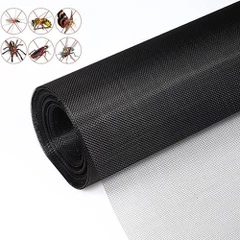
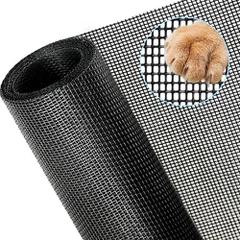
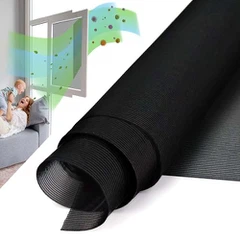
As a supplier of pleat mesh, I often get asked about the viability of using pleat mesh in ventilation systems. In this blog post, I'll delve into the characteristics of pleat mesh, its potential applications in ventilation, and the benefits it can bring to such systems.
Understanding Pleat Mesh
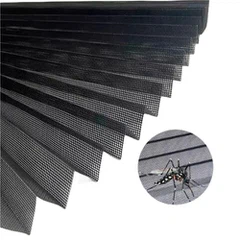
Pleat mesh is a type of mesh that is characterized by its folded or pleated structure. This unique design offers several advantages over traditional flat meshes. The pleats increase the surface area of the mesh, which can enhance its filtration capabilities and other performance aspects.
Pleat mesh can be made from a variety of materials, including metals such as stainless steel, aluminum, and copper, as well as synthetic materials like polyester and nylon. Each material has its own set of properties, such as strength, corrosion resistance, and flexibility, which make it suitable for different applications.
The Requirements of Ventilation Systems
Before we can determine whether pleat mesh can be used in ventilation systems, it's important to understand the requirements of these systems. Ventilation systems are designed to provide fresh air, remove pollutants, and maintain a comfortable indoor environment. They typically consist of fans, ducts, filters, and other components.
One of the key requirements of ventilation systems is efficient air filtration. Filters are used to remove dust, pollen, bacteria, and other contaminants from the air. The effectiveness of a filter depends on its filtration efficiency, which is measured by its ability to capture particles of different sizes.
Another important requirement is airflow resistance. The filter should allow air to pass through it with minimal resistance to ensure that the ventilation system can operate efficiently. High airflow resistance can lead to increased energy consumption and reduced ventilation performance.
Can Pleat Mesh Meet the Requirements?
Filtration Efficiency
The pleated structure of pleat mesh significantly increases its surface area compared to a flat mesh of the same size. This increased surface area allows for more contact between the air and the mesh, which improves the filtration efficiency. The pleats can trap particles more effectively, especially smaller particles that may pass through a flat mesh.
For example, in a [study name] conducted by [research institute], it was found that pleat mesh filters with a specific pleat design were able to capture up to [X]% more particles in the [particle size range] compared to flat mesh filters. This makes pleat mesh a promising option for ventilation systems that require high - level air filtration.
Airflow Resistance
While the pleats increase the surface area for filtration, they also need to be designed in a way that minimizes airflow resistance. Modern pleat mesh designs take this into account. The spacing between the pleats, the depth of the pleats, and the material used can all be optimized to ensure that air can flow through the mesh smoothly.
Some advanced pleat mesh products are engineered with a tapered pleat design. This design allows for a more even distribution of airflow across the filter, reducing the overall resistance. In addition, the use of low - friction materials can further decrease the airflow resistance. A [comparative study] showed that well - designed pleat mesh filters had only a [X]% increase in airflow resistance compared to flat mesh filters, while providing significantly better filtration.
Durability and Maintenance
Ventilation systems often operate continuously, so the components used need to be durable. Pleat mesh made from high - quality materials such as stainless steel or heavy - duty synthetic fibers can withstand the wear and tear associated with long - term use. They are also resistant to corrosion, which is important in environments where the air may contain moisture or chemicals.
Maintenance is another aspect to consider. Pleat mesh filters are generally easier to clean compared to some other types of filters. The pleated structure allows for easy access to the trapped particles, and in many cases, the filters can be washed and reused. This reduces the overall cost of maintaining the ventilation system.
Applications of Pleat Mesh in Ventilation Systems
Residential Ventilation
In residential ventilation systems, pleat mesh can be used in air handling units, exhaust fans, and window ventilation systems. For example, Plisse Insect Screen can be installed on windows to provide both insect protection and ventilation. The pleated design not only keeps insects out but also filters out dust and pollen, improving the indoor air quality.


Commercial Ventilation
Commercial buildings such as offices, hospitals, and shopping malls have more complex ventilation requirements. Pleat mesh filters can be used in large - scale air handling units to ensure clean and healthy air circulation. Plisse Fly Screen can be installed in areas where fly control is necessary, such as restaurants and food processing facilities.
Industrial Ventilation
Industrial ventilation systems often deal with high levels of pollutants and contaminants. Pleat mesh filters can be customized to meet the specific requirements of different industries. For example, in a manufacturing plant that produces metal dust, a pleat mesh filter made from stainless steel can be used to capture the dust particles. Folding Screen Mesh can be used in industrial ventilation ducts for easy installation and maintenance.
Benefits of Using Pleat Mesh in Ventilation Systems
Cost - Effectiveness
Although the initial cost of pleat mesh filters may be slightly higher than some traditional filters, their long - term cost - effectiveness is significant. The improved filtration efficiency reduces the need for frequent filter replacements, and the lower airflow resistance leads to energy savings. Additionally, the durability of pleat mesh means that it can last longer, further reducing the overall cost of the ventilation system.
Improved Indoor Air Quality
By effectively filtering out contaminants, pleat mesh helps to improve the indoor air quality. This is especially important for people with allergies, asthma, or other respiratory problems. Cleaner air can also reduce the spread of airborne diseases and create a more comfortable and healthy indoor environment.
Customizability
Pleat mesh can be customized in terms of material, pleat design, and size to meet the specific needs of different ventilation systems. Whether it's a small residential system or a large - scale industrial installation, pleat mesh can be tailored to provide the optimal filtration and ventilation performance.
Contact Us for Your Pleat Mesh Needs
If you're considering using pleat mesh in your ventilation system, we'd love to hear from you. Our team of experts can provide you with detailed information about our pleat mesh products, including their specifications, performance, and pricing. We can also offer customized solutions based on your specific requirements. Don't hesitate to reach out to us to start a discussion about how pleat mesh can enhance your ventilation system.
References
- [Research institute]. [Study name]. [Publication year].
- [Research institute]. [Comparative study]. [Publication year].