


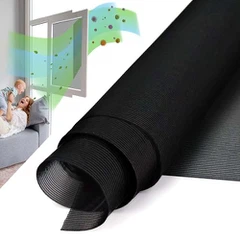
As a supplier of high - quality pollen screens, I've received numerous inquiries about the feasibility of using our products in balcony doors. This blog post aims to comprehensively explore this topic, providing you with all the necessary information to make an informed decision.
Understanding Pollen Screens
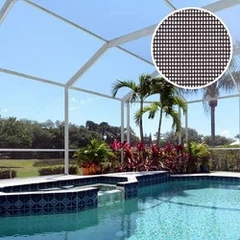
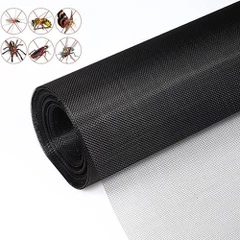
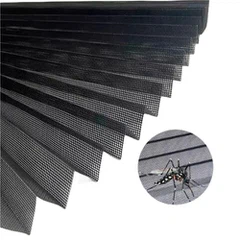
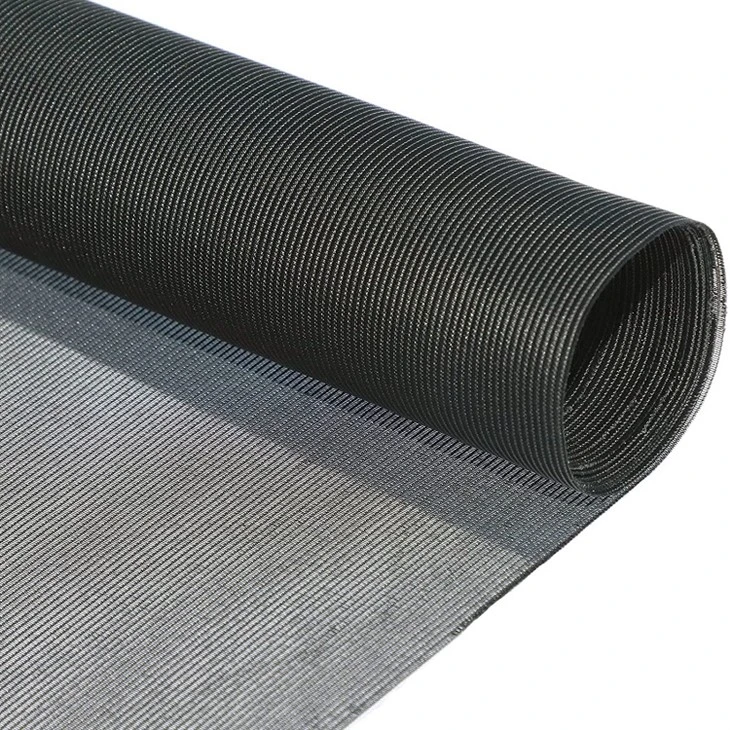
Before delving into the use of pollen screens in balcony doors, it's essential to understand what pollen screens are. Pollen screens are specialized mesh products designed to block pollen particles from entering indoor spaces. They are typically made from fine - woven materials that can effectively trap pollen while still allowing air to circulate. Our company offers a variety of pollen screens, including Pollen Net for Windows and Pollen Mesh for Windows, which are engineered to provide optimal pollen protection.
How Pollen Screens Work
Pollen screens work on the principle of physical filtration. The mesh size of the screen is carefully calibrated to be smaller than the average size of pollen grains. When air passes through the screen, pollen particles are caught in the mesh, preventing them from entering the room. This not only helps to reduce allergy symptoms for those sensitive to pollen but also keeps the indoor environment cleaner.

Suitability of Pollen Screens for Balcony Doors
Advantages of Using Pollen Screens in Balcony Doors
- Allergy Prevention
Balconies are often exposed to the outside environment, making them a potential entry point for pollen. By installing a pollen screen on your balcony door, you can significantly reduce the amount of pollen that enters your home. This is especially beneficial for allergy sufferers, as it can help alleviate symptoms such as sneezing, itching, and watery eyes. - Improved Air Quality
Even if you're not allergic to pollen, reducing the amount of pollen in your home can improve the overall air quality. Pollen can carry other pollutants and allergens, and by blocking it at the balcony door, you're preventing these contaminants from entering your living space. - Ventilation without Pollen Infiltration
Balcony doors are commonly used for ventilation. With a pollen screen installed, you can keep your balcony door open to let in fresh air without worrying about pollen coming in. This allows you to enjoy the benefits of natural ventilation while maintaining a pollen - free indoor environment.
Considerations for Using Pollen Screens in Balcony Doors
- Size and Fit
Balcony doors come in various sizes and designs. It's crucial to ensure that the pollen screen you choose is the right size for your balcony door. Our 16×48 Pollen Screen Mesh is available in different dimensions to accommodate most standard balcony door sizes. However, for non - standard doors, custom - made screens may be required. - Durability
Balcony doors are exposed to the elements, including sunlight, wind, and rain. The pollen screen should be durable enough to withstand these conditions. Our pollen screens are made from high - quality materials that are resistant to UV rays, moisture, and wear and tear, ensuring long - term performance. - Installation
Proper installation is essential for the effectiveness of the pollen screen. While some balcony door pollen screens can be easily installed as a DIY project, others may require professional installation. Our team can provide guidance on installation methods and offer support to ensure that your pollen screen is installed correctly.
Installation Process
DIY Installation
If you're handy with tools and have some basic DIY skills, you can install a pollen screen on your balcony door yourself. Here are the general steps:
- Measure the Balcony Door
Accurately measure the width and height of your balcony door. Make sure to measure at multiple points to account for any irregularities. - Cut the Pollen Screen
Using the measurements, cut the pollen screen to the appropriate size. Leave a little extra material around the edges for a secure fit. - Attach the Screen Frame
Most pollen screens come with a frame that needs to be attached to the balcony door. Use the provided hardware, such as screws or adhesive strips, to attach the frame securely. - Install the Screen
Carefully place the cut pollen screen into the frame and secure it using the clips or fasteners provided.
Professional Installation
If you're not confident in your DIY skills or if your balcony door has a complex design, it's advisable to hire a professional installer. Professional installers have the experience and tools to ensure that the pollen screen is installed correctly and securely.
Maintenance of Pollen Screens on Balcony Doors
Regular maintenance is essential to keep your pollen screen in good working condition. Here are some maintenance tips:
- Cleaning
Periodically clean the pollen screen to remove accumulated pollen and debris. You can use a soft brush or a vacuum cleaner with a brush attachment to gently clean the screen. For more stubborn dirt, you can wash the screen with mild soap and water. - Inspection
Regularly inspect the pollen screen for any signs of damage, such as tears or loose fittings. If you notice any damage, repair or replace the screen as soon as possible to maintain its effectiveness.
Conclusion
In conclusion, using a pollen screen in a balcony door is a practical and effective way to reduce pollen entry into your home, improve air quality, and prevent allergy symptoms. With the right size, proper installation, and regular maintenance, a pollen screen can provide long - term protection for your indoor environment.
If you're interested in purchasing a pollen screen for your balcony door or have any questions about our products, please feel free to contact us. We're here to help you find the best solution for your needs and ensure that you enjoy a pollen - free living space.
References
- "Allergy and Asthma Management: The Role of Indoor Air Quality." American Academy of Allergy, Asthma & Immunology.
- "Filtration and Air Cleaning for Indoor Air Quality." Environmental Protection Agency.