


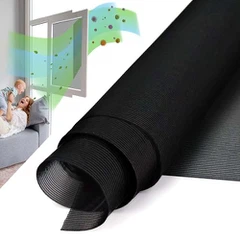
Hey there! As a supplier of pollen screens, I often get asked about what materials these nifty little devices are made of. Well, you're in the right place because I'm gonna break it all down for you.
Common Materials for Pollen Screens
Fiberglass
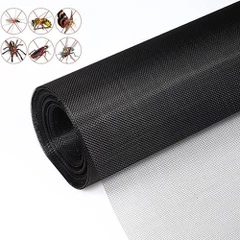
One of the most popular materials for pollen screens is fiberglass. Fiberglass pollen screens are known for their durability and affordability. They're made from fine glass fibers that are woven together to form a mesh. This mesh is strong enough to withstand the elements, like wind and rain, and it doesn't rust or corrode over time.
Fiberglass pollen screens are also great at filtering out pollen. The small gaps in the mesh are just the right size to trap pollen particles while still allowing air to flow through your windows. This means you can enjoy fresh air in your home without all the sneezing and itching that comes with pollen. You can check out our Pollen Screen Mesh which is made from high - quality fiberglass.
Polyester
Polyester is another material that's commonly used in pollen screens. Polyester screens are lightweight and flexible, making them easy to install and handle. They're also resistant to stretching and shrinking, so they'll keep their shape over time.

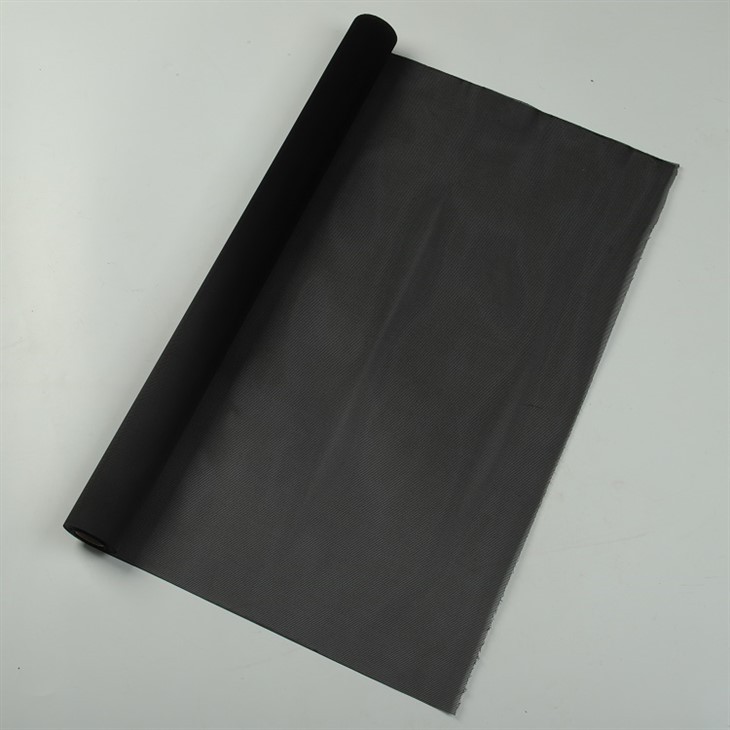
One of the advantages of polyester pollen screens is that they're often treated with special coatings to enhance their pollen - filtering capabilities. These coatings can help to attract and trap pollen more effectively, providing better protection for you and your family. If you're looking for a great option for your windows, take a look at our Pollen Mesh for Windows, which uses top - notch polyester.
Stainless Steel
Stainless steel pollen screens are a bit more heavy - duty compared to fiberglass and polyester. They're made from a strong alloy of steel that contains chromium, which gives it its corrosion - resistant properties. Stainless steel screens are extremely durable and can last for many years, even in harsh environments.
These screens are also very effective at keeping out pollen. The fine mesh of stainless steel can trap even the smallest pollen particles. However, they tend to be more expensive than fiberglass and polyester screens. But if you're looking for a long - term solution and don't mind the higher cost, stainless steel is a great choice.
Aluminum
Aluminum pollen screens are lightweight and resistant to rust. They're made from thin sheets of aluminum that are perforated to create a mesh. Aluminum screens are easy to clean and maintain, and they're a popular choice for both residential and commercial buildings.
The mesh size of aluminum pollen screens can be adjusted to suit different levels of pollen filtration. You can choose a finer mesh if you live in an area with high pollen counts. Our Anti Pollen Window Screen offers an aluminum option that provides excellent protection.
How the Material Affects Performance
The material of a pollen screen has a big impact on its performance. For example, fiberglass and polyester screens are great for general pollen filtration. They're lightweight and allow for good air circulation, which is important for keeping your home fresh. However, they may not be as effective in areas with extremely high pollen concentrations.
Stainless steel and aluminum screens, on the other hand, are more robust and can handle higher pollen loads. They're also better at withstanding physical damage, like scratches and dents. But they may be a bit more restrictive in terms of air flow compared to fiberglass and polyester.
Other Considerations When Choosing a Material
Cost
Cost is always a factor when choosing a pollen screen. Fiberglass and polyester screens are generally the most affordable options. They're a great choice if you're on a budget or if you just need a basic pollen - filtering solution. Stainless steel and aluminum screens are more expensive, but they offer better durability and performance in the long run.
Aesthetics
The appearance of the pollen screen is also important, especially if you want it to blend in with your home's decor. Fiberglass and polyester screens are available in a variety of colors, so you can choose one that matches your windows or exterior. Stainless steel and aluminum screens usually have a more industrial look, but they can still look sleek and modern if installed correctly.
Maintenance
Different materials require different levels of maintenance. Fiberglass and polyester screens are relatively easy to clean. You can simply vacuum them or wash them with a mild detergent and water. Stainless steel and aluminum screens are also easy to clean, but they may require occasional polishing to keep them looking their best.
Why Choose Our Pollen Screens
As a supplier, we take pride in offering high - quality pollen screens made from the best materials. We understand that everyone's needs are different, so we offer a wide range of options to choose from. Whether you're looking for an affordable fiberglass screen or a heavy - duty stainless steel one, we've got you covered.
Our screens are tested to ensure they provide effective pollen filtration. We use the latest manufacturing techniques to ensure that our screens are durable and long - lasting. And we offer competitive prices to make sure you get the best value for your money.
If you're interested in purchasing pollen screens for your home or business, we'd love to hear from you. Contact us to discuss your requirements and get a quote. We're here to help you find the perfect pollen screen solution for your needs.
References
- "The Handbook of Window Screens and Shutters"
- "Materials Science for Building Applications"
So, there you have it! Now you know all about the different materials that pollen screens are made of. Whether you're dealing with a lot of pollen or just want to enjoy some fresh air without the allergens, there's a pollen screen out there for you. Don't hesitate to reach out if you have any questions or if you're ready to make a purchase.