


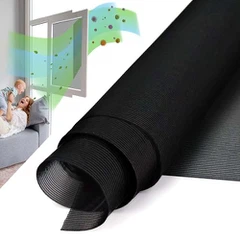
As a supplier of fiberglass pool screens, I often encounter questions from customers about the environmental friendliness of our products. In this blog post, I'll delve into the topic, exploring the environmental aspects of fiberglass pool screens based on scientific facts and industry knowledge.
What are Fiberglass Pool Screens?
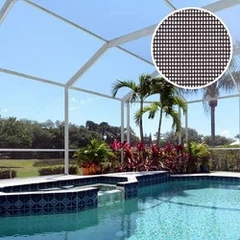
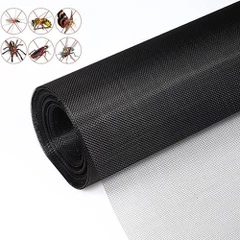
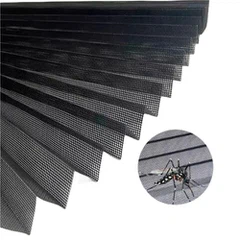
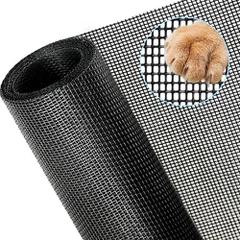
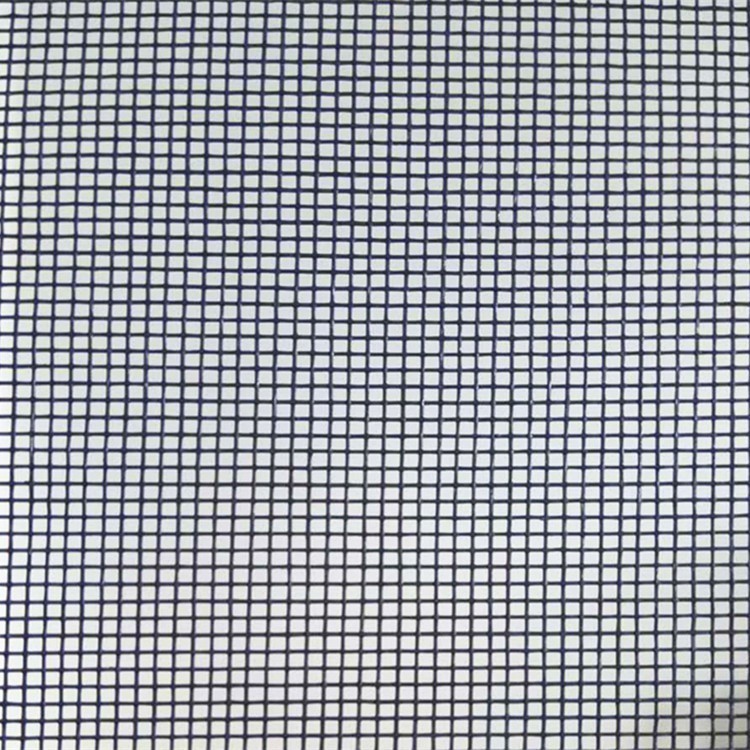
Fiberglass pool screens are a popular choice for enclosing swimming pools. They are made from fine strands of glass that are woven together to form a mesh. This mesh is then coated with a vinyl or PVC - like material to enhance its durability and resistance to the elements. Fiberglass pool screens offer several benefits, such as protection against insects, leaves, and debris, while also allowing for good visibility and air circulation around the pool area.
Raw Materials and Manufacturing Process
The primary raw material for fiberglass pool screens is glass. Glass is an abundant and naturally occurring material. Silica sand, which is the main component of glass, is one of the most common substances on Earth. The process of making fiberglass involves melting silica sand at high temperatures and then drawing it into fine fibers. This manufacturing process, while energy - intensive, has seen significant improvements in energy efficiency over the years.
Compared to other materials used for pool enclosures, such as aluminum or steel, fiberglass production generally has a lower carbon footprint. Aluminum production, for example, requires large amounts of electricity and involves mining bauxite, which can have a significant environmental impact in terms of land disturbance and water pollution.

Energy Efficiency
Fiberglass pool screens can contribute to energy efficiency in pool areas. By enclosing the pool, they reduce heat loss and evaporation. This means that less energy is required to heat the pool water, which in turn reduces the overall energy consumption associated with pool maintenance. A well - installed fiberglass pool screen can act as an insulator, keeping the warm air generated by the pool within the enclosed area.

In addition, the transparency of fiberglass pool screens allows natural light to penetrate the pool area. This reduces the need for artificial lighting during the day, further saving energy. The combination of reduced heating and lighting requirements makes fiberglass pool screens an energy - efficient choice for pool owners.
Durability and Longevity
One of the key environmental benefits of fiberglass pool screens is their durability. Fiberglass is resistant to corrosion, rust, and UV damage. This means that fiberglass pool screens can last for many years, often up to 10 - 15 years or more with proper maintenance.
When a product has a long lifespan, it reduces the frequency of replacement. Fewer replacements mean less waste generated over time. In contrast, some other types of pool screens may need to be replaced more frequently due to damage from weather, insects, or normal wear and tear. This results in more materials being discarded and sent to landfills.
Recyclability
Fiberglass is a recyclable material. At the end of its useful life, a fiberglass pool screen can be recycled and used to make new fiberglass products. Recycling fiberglass helps to conserve natural resources and reduce the demand for virgin materials.
However, it's important to note that the recycling process for fiberglass can be more complex than that of some other materials. Specialized recycling facilities are required to break down the fiberglass and separate the glass fibers from the coating. Despite these challenges, the industry is making progress in developing more efficient recycling methods for fiberglass.
Comparison with Other Pool Screen Materials
Let's compare fiberglass pool screens with some other common pool screen materials from an environmental perspective:
- Aluminum Screens: As mentioned earlier, aluminum production has a high environmental impact. Mining bauxite and the energy - intensive smelting process contribute to significant greenhouse gas emissions. While aluminum is recyclable, the initial production phase is a major concern.
- Polyester Screens: Polyester is a synthetic material derived from petroleum. The production of polyester involves the use of non - renewable resources and can generate harmful chemicals during the manufacturing process. Polyester screens may also have a shorter lifespan compared to fiberglass screens, leading to more frequent replacements.
Applications and Environmental Impact
Fiberglass pool screens are not only used for residential pools but also for commercial swimming facilities. In large - scale commercial applications, the energy - saving potential of fiberglass pool screens can be even more significant. By reducing energy consumption in commercial pools, these screens can contribute to overall energy conservation in the hospitality and leisure industry.
In addition to energy savings, the protection provided by fiberglass pool screens can also reduce the need for chemical treatments in the pool. By keeping out leaves, insects, and debris, the water in the pool remains cleaner for longer periods. This can lead to a reduction in the use of chlorine and other pool chemicals, which is beneficial for the environment as well as for the health of swimmers.
The Role of Our Company as a Supplier
As a supplier of fiberglass pool screens, we are committed to promoting environmentally friendly practices. We source our raw materials from reputable suppliers who adhere to strict environmental standards. Our manufacturing processes are designed to minimize waste and energy consumption.
We also offer a range of high - quality fiberglass pool screens, such as Fiberglass Patio Screen, Fiberglass Insect Mesh, and Fiberglass Fly Screen Mesh. These products are not only durable and effective but also have a relatively low environmental impact compared to other options on the market.
Conclusion
In conclusion, fiberglass pool screens are generally environmentally friendly. Their use of abundant raw materials, energy - saving properties, durability, and recyclability make them a sustainable choice for pool enclosures. While there are still some challenges in the recycling process, the overall environmental benefits of fiberglass pool screens outweigh the drawbacks.

If you are considering installing a pool screen or upgrading your existing one, we encourage you to explore our range of fiberglass pool screens. We are here to provide you with high - quality products and professional advice. Contact us to start a procurement discussion and find the best fiberglass pool screen solution for your needs.
References
- "Fiberglass Manufacturing: Processes and Environmental Impacts" - Journal of Sustainable Materials Science
- "Energy Efficiency in Pool Enclosures" - International Journal of Pool and Spa Technology
- "Recycling of Fiberglass Products: Current State and Future Prospects" - Recycling Research and Practice