

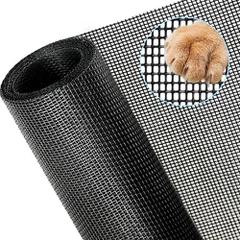
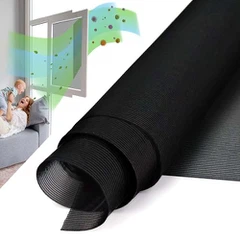
Hey there! I'm a supplier of sunscreen blind fabric, and today I wanna chat about one super important aspect of it: the transparency level.
First off, let's understand what the transparency of sunscreen blind fabric actually means. Transparency refers to how much light can pass through the fabric. You know, when you glance at a window with these blinds on, you can kinda tell by just looking whether a lot of light is getting through or it's mostly blocked.
The transparency level of sunscreen blind fabric doesn't just affect how much light reaches the inside of a building. It also has a big say in things like privacy and temperature regulation.
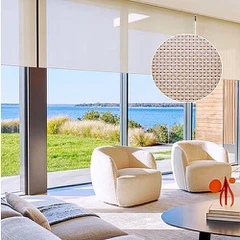
A higher transparency level means more light can filter through. This is great if you've got a room where you want lots of natural light, like an art studio or a sunny living room. You get that nice, bright atmosphere without sacrificing too much on the sun protection front. For instance, in an office space where employees need good lighting to work, a more transparent sunscreen blind fabric can be a fantastic choice. It cuts down on glare but still allows enough daylight in, which can even have a positive impact on people's mood and productivity. And if you use Shading Net For Blinds, with its well - engineered design, you're likely to get a decent transparency level that balances light and protection.


On the flip side, a lower transparency level blocks more light. This is ideal for places where you need maximum privacy or want to keep the room cool. Think about a bedroom where you want to sleep in on sunny weekends. Sunscreen blind fabric with low transparency can make the room nice and dark, creating a cozy sleeping environment. It also helps in reducing the heat from the sun. During hot summers, less sunlight means less heat energy entering the room, which can cut down on your air - conditioning bills. Our Customizable Colors Sunscreen Fabric comes in various shades and transparency levels, so you can pick the one that suits your needs.
Now, how do we measure this transparency? Well, it's usually expressed as a percentage. A fabric with a 10% transparency level, for example, means only 10% of the light can pass through it. The rest is blocked. This percentage is determined through a series of scientific tests. Manufacturers use special equipment to shine light through the fabric and measure how much makes it to the other side.
When it comes to choosing the right transparency level, it really depends on your specific requirements. If you live in a sunny area and you're worried about heat gain, you might opt for a fabric with a lower transparency. But if you don't want to sacrifice the view and want a bright interior, then a higher transparency is the way to go.
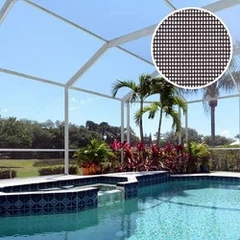
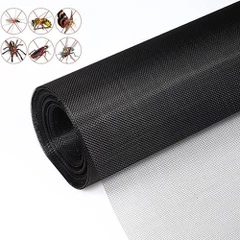
Another factor to consider is the type of material used in the fabric. Different materials have different inherent transparency characteristics. For example, some synthetic materials can be engineered to have very precise transparency levels. Solar Screen Mesh is a popular choice among our customers. It's made of a high - quality synthetic material and you can find more about it on our Solar Screen Mesh page. This mesh can be adjusted to have various transparency levels, and it also offers great durability.
The installation also plays a role in how the transparency works in practice. If the blinds are installed incorrectly, even a fabric with a high transparency might not let in as much light as it should. So it's important to follow the proper installation guidelines.
In the market, there's a wide range of options available in terms of transparency levels. You can choose from fabrics with transparency levels as low as 3% all the way up to 30% or more. It can be a bit overwhelming, but we're here to help you figure it out.
We've seen customers in different industries make different choices. Retailers often go for a medium - transparency fabric. They want to attract customers with the display inside the store, so they need some light to shine through. But at the same time, they don't want the sun to damage their products. On the other hand, hotels might choose different transparency levels for different types of rooms. Guest rooms might have lower - transparency blinds for privacy, while the lobby areas could have higher - transparency ones to create an open and inviting atmosphere.
If you're in a situation where you're not sure which transparency level is right for you, don't worry. We've got a team of experts who can guide you through the process. We'll take into account factors like the orientation of your windows, the climate in your area, and your personal preferences.
As a sunscreen blind fabric supplier, we're always looking to improve our products. We invest in research and development to come up with fabrics that offer better transparency control, along with other features like UV protection and durability.
So, whether you're a homeowner looking to upgrade your window blinds or a business owner in need of commercial - grade sunscreen blind fabric, we've got you covered. We can provide you with samples so you can see and feel the different transparency levels for yourself.
If you're interested in learning more or want to start a conversation about purchasing our sunscreen blind fabric, don't hesitate to reach out. We're ready to discuss your needs, offer our expert advice, and find the perfect transparency level that suits your requirements.
In conclusion, the transparency level of sunscreen blind fabric is a crucial factor that can impact the functionality, comfort, and aesthetics of a space. By understanding your needs and the available options, you can make an informed decision and transform your windows into a source of light, protection, and style.
References
- "Textile Technology: An Introduction" by Matthew B. Alter
- "Building Envelope Design Handbook" by Steven Winter Associates Inc.