


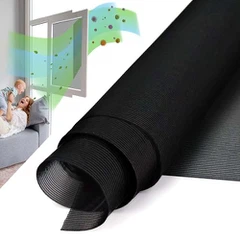
As a supplier of anti pollen screens, I've encountered numerous queries from customers, and one question that frequently surfaces is, "Do anti pollen screens attract dust?" This topic isn't just a matter of idle curiosity; it's crucial for those seeking effective solutions to mitigate allergens in their living spaces. In this blog, I'll delve into the science behind anti pollen screens, explore whether they attract dust, and provide insights based on my experience in the industry.
Understanding Anti Pollen Screens
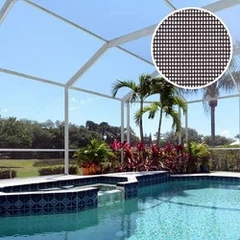
Anti pollen screens are designed to act as a barrier, preventing pollen and other airborne allergens from entering indoor spaces through windows. These screens typically have a fine mesh that can trap particles as small as pollen grains, which are often in the range of 10 to 100 micrometers in diameter. The concept is similar to that of a traditional window screen, but with a higher level of filtration.
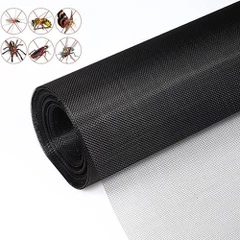
The Window Screens for Allergy Sufferers we offer are specifically engineered to meet the needs of individuals who are sensitive to pollen and other allergens. They are made from high - quality materials that are durable and resistant to wear and tear. The fine mesh structure allows for proper ventilation while still providing an effective barrier against pollen.
The Relationship between Anti Pollen Screens and Dust
To answer the question of whether anti pollen screens attract dust, we need to understand the nature of dust and how it interacts with the screen. Dust is a complex mixture of various particles, including dead skin cells, pet dander, dirt, and pollen. When air containing dust passes through an anti pollen screen, the screen's mesh can trap some of these particles, just as it does with pollen.
However, it's important to note that the screen doesn't actively "attract" dust. Instead, it acts as a physical barrier. As air flows through the screen, larger dust particles are more likely to be caught in the mesh due to their size. Smaller dust particles, on the other hand, may be able to pass through, depending on the size of the mesh openings.
The 16×48 Pollen Screen Mesh we supply has a specific mesh size that is optimized for trapping pollen and larger dust particles. This means that while it will catch a significant amount of dust, it won't catch every single particle. The amount of dust that accumulates on the screen will depend on several factors, such as the air quality in the area, the frequency of air movement through the window, and the presence of nearby sources of dust, like construction sites or busy roads.
Factors Affecting Dust Accumulation on Anti Pollen Screens
- Air Quality: In areas with high levels of pollution or dust, the anti pollen screen will accumulate dust more quickly. For example, if you live in a city center with heavy traffic or near an industrial area, the screen may need to be cleaned more frequently.
- Ventilation Rate: The more air that passes through the screen, the more dust it is likely to trap. Homes with a high rate of ventilation, either through natural airflow or mechanical ventilation systems, may experience faster dust accumulation on the screens.
- Proximity to Dust Sources: If your windows face a dirt road, a construction site, or a garden that is frequently disturbed, the screen will be exposed to more dust and will need to be maintained more regularly.
Maintenance of Anti Pollen Screens
Regular maintenance of anti pollen screens is essential to ensure their effectiveness. Cleaning the screen periodically will prevent dust from building up to the point where it restricts airflow or reduces the screen's ability to trap pollen.
To clean the screen, you can use a soft brush or a vacuum cleaner with a brush attachment to gently remove the dust. For more stubborn dirt, you can wash the screen with a mild detergent and water. Make sure to rinse the screen thoroughly and allow it to dry completely before reinstalling it.
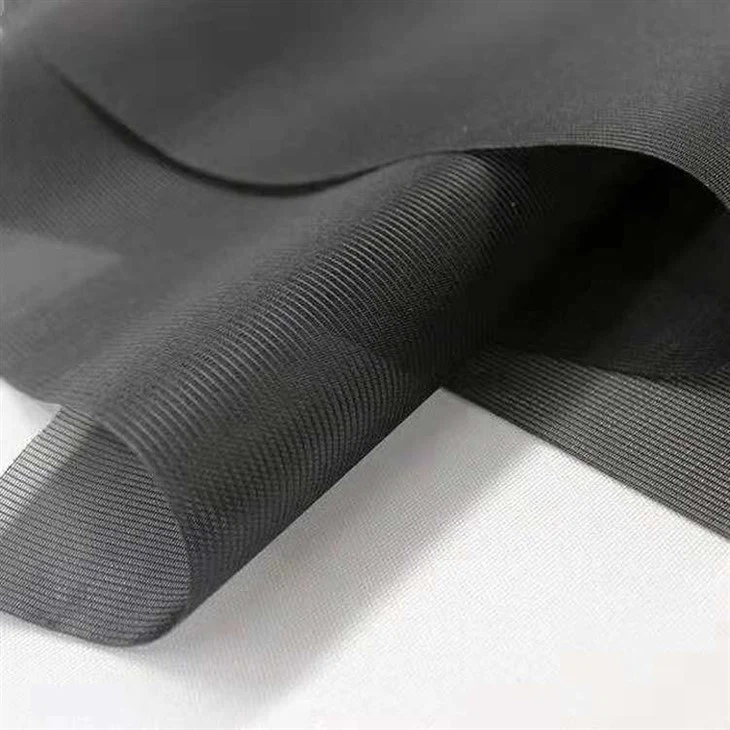
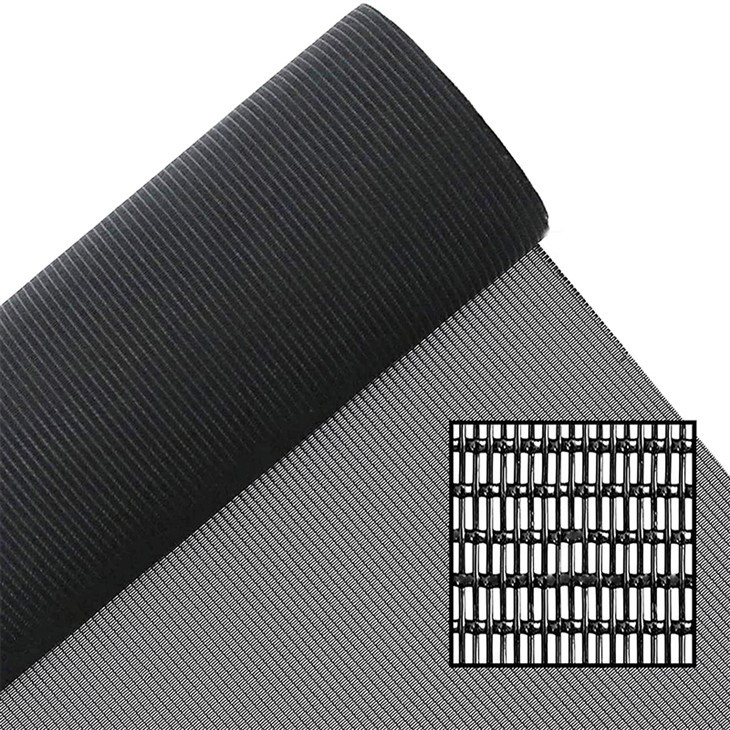
The Pollen and Dust Window Screens we offer are designed to be easy to clean and maintain. Their durable construction ensures that they can withstand regular cleaning without losing their effectiveness.
Benefits of Using Anti Pollen Screens Despite Dust Accumulation
Even though anti pollen screens may accumulate dust, the benefits they offer far outweigh this minor inconvenience. For allergy sufferers, these screens can significantly reduce the amount of pollen and other allergens that enter their homes, leading to a more comfortable living environment. By reducing the exposure to allergens, anti pollen screens can help alleviate symptoms such as sneezing, itching, and congestion.
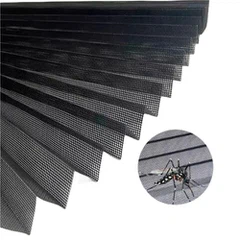
In addition to their allergen - blocking properties, anti pollen screens also provide some level of protection against insects. The fine mesh acts as a barrier, preventing mosquitoes, flies, and other bugs from entering the house through the windows.
Conclusion
In conclusion, anti pollen screens do not actively attract dust, but they do act as a physical barrier that can trap dust particles as air passes through them. The amount of dust that accumulates on the screen depends on various factors, and regular maintenance is necessary to keep the screen functioning effectively.
If you're an allergy sufferer looking for a solution to reduce pollen and dust in your home, our anti pollen screens are an excellent choice. They are designed to provide high - quality filtration while still allowing for proper ventilation.
If you're interested in learning more about our anti pollen screens or would like to discuss a potential purchase, please don't hesitate to reach out. We're here to help you find the best solution for your needs.
References
- "Allergy - Free Home: The Complete Guide to Eliminating Allergens from Your Home" by Neil Schachter, MD.
- "Indoor Air Quality Handbook" by John D. Spengler, et al.