

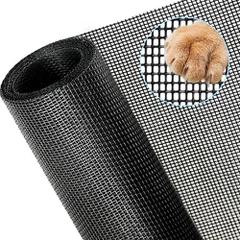
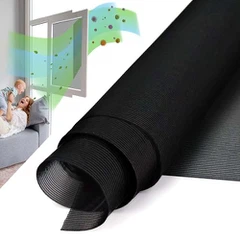
Hey there! As a supplier of sunshade screen fabric, I often get asked about all sorts of technical details. One question that pops up from time to time is about the sound - absorption coefficient of sunshade screen fabric. So, let's dig into this topic and see what it's all about.
Understanding the Basics of Sound - Absorption Coefficient
First off, what exactly is the sound - absorption coefficient? Well, it's a measure that tells us how well a material can absorb sound. It's expressed as a number between 0 and 1. If a material has a coefficient of 0, it means it reflects all the sound that hits it, kind of like a mirror reflects light. On the other hand, a coefficient of 1 indicates that the material absorbs all the sound. In the real world, most materials fall somewhere in between these two extremes.
Factors Affecting the Sound - Absorption Coefficient of Sunshade Screen Fabric
There are a bunch of factors that can influence the sound - absorption coefficient of sunshade screen fabric.
Material Composition
The type of material used to make the fabric is a biggie. For example, if the fabric is made of fiberglass with a PVC coating, like our Fiberglass+PVC Sunshade 3% Fabric, it's going to have different sound - absorption properties compared to a fabric made of other synthetic materials. Fiberglass combined with PVC can provide a certain level of density and texture that can affect how sound waves interact with the fabric.
Fabric Density
How tightly the fabric is woven or knitted also matters. A denser fabric generally has a higher chance of absorbing more sound. Sound waves have a harder time passing through the tightly packed fibers, and more of their energy gets dissipated as heat within the fabric. So, if you're looking for a sunshade screen fabric with better sound - absorption, a denser weave might be your best bet.
Pore Size and Structure
The pores in the sunshade screen fabric play an important role. When sound waves hit the fabric, they can enter these pores. If the pores are the right size and shape, the sound waves will bounce around inside, losing energy in the process. A fabric with a well - structured pore system can effectively absorb a significant amount of sound.
Measuring the Sound - Absorption Coefficient of Sunshade Screen Fabric
Measuring the sound - absorption coefficient isn't a walk in the park. Specialized equipment is used in a controlled environment, usually an anechoic chamber, which is designed to minimize external sound reflections.
In a typical test setup, a sound source emits a specific frequency of sound towards the fabric sample. Microphones are placed around the fabric to measure the amount of sound that is reflected, absorbed, or transmitted through the fabric. By comparing the initial sound intensity with the remaining sound after interacting with the fabric, the absorption coefficient can be calculated.
Why You Might Care About the Sound - Absorption Coefficient of Sunshade Screen Fabric
You might be wondering, why should I care about the sound - absorption coefficient of sunshade screen fabric? Well, there are a few good reasons.


Noise Reduction in Outdoor Spaces
If you have a patio, balcony, or an outdoor seating area, using sunshade screen fabric with a decent sound - absorption coefficient can help reduce the noise from traffic, neighbors, or other outdoor sources. It creates a more peaceful and relaxing environment for you to enjoy.
Indoor - Outdoor Transition Areas
For buildings where there's a smooth transition between indoor and outdoor areas, like restaurants with retractable sunshades or offices with large glass doors leading to outdoor decks, sunshade screen fabric can act as a buffer to reduce sound transfer.
Privacy and Acoustic Comfort
In some cases, like in private outdoor spaces, a sunshade screen can not only provide privacy but also improve acoustic comfort. You don't want your conversations to be easily overheard, and a sound - absorbing sunshade can help with that. Check out our Private Custom Sunshade Screen which can be tailored to your specific needs.
Our Sunshade Screen Fabric and Sound Absorption
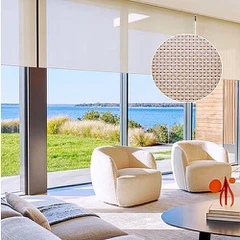
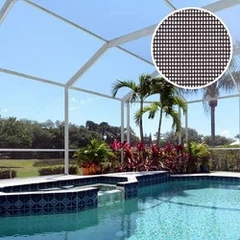
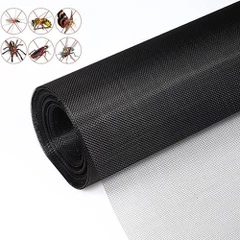
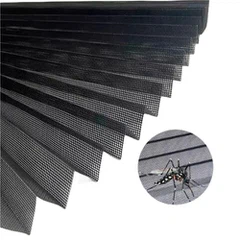
At our company, we offer a variety of sunshade screen fabrics, each with its own unique properties. Our Solar Screen Mesh is known for its durability and solar - blocking capabilities, but it also has some sound - absorbing characteristics. The mesh structure allows for a certain level of sound wave interaction, and depending on the density and material, it can contribute to reducing noise.
When you're looking for a sunshade screen fabric, you can think about how important sound absorption is for your application. If noise reduction is a top priority, our team can help you select the right fabric with an optimal sound - absorption coefficient.
How to Choose the Right Sunshade Screen Fabric for Sound Absorption
If you're in the market for sunshade screen fabric and sound absorption is on your mind, here are some tips.
Ask for Technical Data
Don't be shy to ask us for the technical data of the fabric, including the sound - absorption coefficient. We can provide you with information on how the fabric performs in different frequency ranges.
Consider Your Environment
Think about the type of noise you're dealing with. Is it low - frequency traffic noise or high - frequency voices? Different fabrics might be more effective at absorbing different types of sound.
Test Samples
If possible, we can send you samples of the fabric so you can test it in your actual environment. This will give you a better idea of how well it can absorb sound in real - life conditions.
Let's Talk Business
If you're interested in our sunshade screen fabrics and want to learn more about their sound - absorption properties or any other features, we're here to help. Whether you're a homeowner looking to spruce up your patio, a business owner in need of commercial - grade sunshades, or an architect planning a new project, we've got the products and expertise to meet your needs.
Don't hesitate to reach out to us for a quote or to discuss your specific requirements. We can work with you to find the perfect sunshade screen fabric that fits your budget and your acoustic needs. Let's start a conversation and see how we can make your space more comfortable and functional.
References
- [1] ASTM C423 - 17, Standard Test Method for Sound Absorption and Sound Absorption Coefficients by the Reverberant Room Method
- [2] ISO 354:2003, Acoustics - Measurement of sound absorption in a reverberation room