


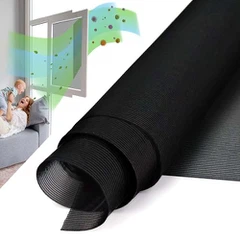
A plisse screen, also known as a pleated screen, is a practical and versatile window and door covering solution that has gained popularity in both residential and commercial settings. As a supplier of plisse screens, I'm excited to delve into the mechanism of these innovative products, exploring how they work, their components, and the benefits they offer.
Basic Structure and Components
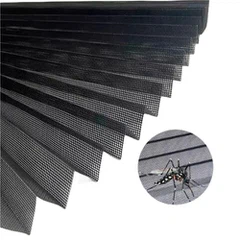
At its core, a plisse screen consists of a pleated mesh fabric that is typically mounted within a frame. The mesh fabric is the heart of the screen, providing the primary function of keeping insects out while allowing fresh air to circulate. The pleats in the fabric are designed to fold and unfold smoothly, enabling the screen to be easily extended and retracted as needed.
The frame of a plisse screen is usually made of aluminum or PVC, which are lightweight, durable, and resistant to corrosion. The frame serves as the support structure for the mesh fabric and also provides a means of attaching the screen to the window or door. Some frames are designed to be installed directly onto the window or door frame, while others are freestanding and can be placed in front of the opening.
In addition to the mesh fabric and frame, a plisse screen may also include a number of other components, such as a spring-loaded mechanism, a handle or pull cord, and a locking system. These components work together to ensure that the screen operates smoothly and securely.

The Spring-Loaded Mechanism
One of the key features of a plisse screen is its spring-loaded mechanism, which allows the screen to be easily extended and retracted. The spring-loaded mechanism consists of a series of springs that are attached to the top and bottom of the mesh fabric. When the screen is extended, the springs are stretched, storing potential energy. When the screen is retracted, the springs release their stored energy, pulling the mesh fabric back into its original position.
The spring-loaded mechanism is designed to provide a smooth and consistent operation, ensuring that the screen can be easily extended and retracted with minimal effort. It also helps to keep the screen taut and prevents it from sagging or wrinkling over time.

How the Plisse Screen Works
Using a plisse screen is a straightforward process. To extend the screen, simply grasp the handle or pull cord and pull the mesh fabric down or across the window or door opening. As you pull, the springs in the mechanism will stretch, allowing the screen to unfold and cover the opening. Once the screen is fully extended, it can be locked in place using the locking system, which is typically located at the bottom or side of the frame.
To retract the screen, simply release the locking system and allow the springs to pull the mesh fabric back into its original position. The screen will fold up neatly, taking up minimal space when not in use.

Benefits of Plisse Screens
There are several benefits to using plisse screens in your home or business. Here are some of the key advantages:
- Insect Protection: The primary function of a plisse screen is to keep insects out of your living or working space. The fine mesh fabric acts as a barrier, preventing mosquitoes, flies, and other insects from entering while still allowing fresh air to circulate.
- Ventilation: Plisse screens allow for natural ventilation, which can help to improve air quality and reduce the need for air conditioning. By opening the window or door and using the screen, you can enjoy a cool breeze without having to worry about insects.
- Privacy: Some plisse screens are available with a privacy mesh option, which provides a degree of privacy while still allowing light to enter the room. This can be particularly useful for bedrooms, bathrooms, and other areas where privacy is important.
- Easy to Use: Plisse screens are designed to be easy to use, with a simple and intuitive operation. They can be extended and retracted quickly and easily, making them a convenient solution for everyday use.
- Aesthetically Pleasing: Plisse screens are available in a variety of colors and styles, allowing you to choose a screen that complements the decor of your home or business. They can add a touch of style and elegance to any window or door.
Types of Plisse Screens
There are several types of plisse screens available on the market, each with its own unique features and benefits. Here are some of the most common types:
- Mosquito Pleated Mesh: This type of plisse screen is specifically designed to keep mosquitoes out. It features a fine mesh fabric that is small enough to prevent mosquitoes from passing through, while still allowing air to flow freely.
- Pleat Mesh: Pleat mesh screens are a versatile option that can be used for a variety of applications. They are available in a range of mesh sizes and colors, allowing you to choose a screen that meets your specific needs.
- Plisse Insect Screen: Plisse insect screens are similar to mosquito pleated mesh screens, but they are designed to provide protection against a wider range of insects. They typically feature a slightly larger mesh size than mosquito pleated mesh screens, but they are still effective at keeping insects out.
Conclusion
In conclusion, a plisse screen is a practical and versatile window and door covering solution that offers a number of benefits. Its spring-loaded mechanism allows for easy extension and retraction, while the fine mesh fabric provides effective insect protection and ventilation. With a variety of types and styles available, there is a plisse screen to suit every need and budget.
If you're interested in learning more about plisse screens or would like to discuss your specific requirements, please don't hesitate to contact us. Our team of experts is here to help you choose the right screen for your home or business and to provide you with all the information you need to make an informed decision. We look forward to hearing from you and working with you to enhance the comfort and functionality of your space.
References
- "Insect Screens: A Guide to Types and Installation." Home Improvement Magazine, Vol. 12, Issue 3, pp. 45-52.
- "The Benefits of Natural Ventilation in Buildings." Building Science Journal, Vol. 20, Issue 2, pp. 78-85.
- "Choosing the Right Window Coverings for Your Home." Interior Design Today, Vol. 8, Issue 4, pp. 32-39.