

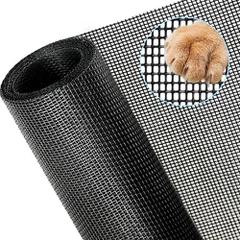
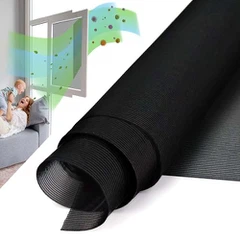
As a supplier of solar screen mesh, I often get asked about the light transmission rate of our products. It's a crucial factor that many customers consider when choosing the right solar screen mesh for their needs. In this blog post, I'll delve into what light transmission rate means, how it affects the performance of solar screen mesh, and why it matters to you.
Understanding Light Transmission Rate
Light transmission rate, also known as visible light transmittance (VLT), refers to the percentage of visible light that passes through a material. In the context of solar screen mesh, it indicates how much natural light can penetrate the mesh and enter a building or space. For example, if a solar screen mesh has a light transmission rate of 30%, it means that 30% of the visible light hitting the mesh will pass through it, while the remaining 70% will be blocked.
This rate is important because it directly impacts the amount of natural light available indoors. A higher light transmission rate allows more light to enter, which can reduce the need for artificial lighting during the day, thus saving energy. On the other hand, a lower light transmission rate blocks more light, providing better privacy and reducing glare.
Factors Affecting Light Transmission Rate in Solar Screen Mesh
Several factors influence the light transmission rate of solar screen mesh:

Mesh Density
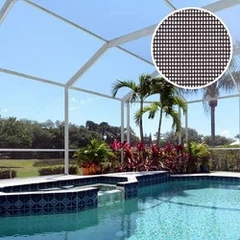
The density of the mesh is one of the most significant factors. A denser mesh with smaller openings will have a lower light transmission rate because there are fewer spaces for light to pass through. Conversely, a less dense mesh with larger openings will allow more light to penetrate, resulting in a higher light transmission rate.
Material Composition
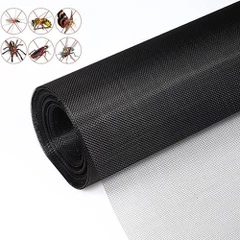
The type of material used to make the solar screen mesh also affects its light transmission properties. Different materials have different optical characteristics. For instance, some materials may be more opaque or reflective, which can reduce the amount of light that passes through. Our Polyester Sunscreen Fabric is made from high - quality polyester, which offers a good balance between light transmission and other performance factors such as durability and UV protection.

Color
The color of the solar screen mesh can impact its light transmission rate. Darker colors tend to absorb more light, resulting in a lower light transmission rate compared to lighter colors. However, darker colors may also provide better heat absorption and reduction of solar heat gain.
Importance of Light Transmission Rate for Different Applications
The ideal light transmission rate depends on the specific application of the solar screen mesh:
Residential Use
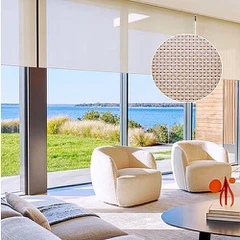
In residential settings, a light transmission rate of around 30% - 50% is often preferred. This range allows enough natural light to enter the home while still providing privacy and reducing glare from the sun. For example, in living rooms and bedrooms, a solar screen mesh with a moderate light transmission rate can create a comfortable and well - lit environment without compromising on privacy. Our Sunshade Screen Fabric is a popular choice for residential applications due to its adjustable light transmission properties.
Commercial Use
Commercial buildings, such as offices and retail stores, may have different requirements. In offices, a higher light transmission rate of 50% - 70% may be desirable to create a bright and productive work environment. Retail stores, on the other hand, may need a lower light transmission rate to protect merchandise from sun damage and to create a more controlled lighting atmosphere. Our Exterior Sun Control Mesh can be customized to meet the specific light transmission needs of different commercial applications.
Measuring Light Transmission Rate
The light transmission rate of solar screen mesh is typically measured using a spectrophotometer. This device measures the amount of light that passes through a sample of the mesh at different wavelengths within the visible light spectrum. The results are then used to calculate the overall light transmission rate.
When choosing a solar screen mesh, it's important to ask the supplier for the light transmission rate specification. Reputable suppliers, like us, will provide accurate and reliable data on the light transmission rate of their products.
Balancing Light Transmission with Other Performance Factors
While light transmission rate is an important consideration, it's not the only factor to keep in mind when choosing solar screen mesh. Other performance factors include:
Solar Heat Gain Coefficient (SHGC)
The SHGC measures the amount of solar heat that passes through the mesh and enters a building. A lower SHGC indicates better heat - blocking properties. You need to find a balance between light transmission and SHGC to achieve both energy efficiency and a comfortable indoor temperature.

UV Protection
Solar screen mesh should also provide effective UV protection. UV rays can cause damage to furniture, flooring, and other interior materials. Look for a mesh with a high UV protection factor to safeguard your indoor environment.
Durability
The durability of the solar screen mesh is crucial, especially for outdoor applications. It should be able to withstand harsh weather conditions, such as strong winds, rain, and sunlight, without deteriorating quickly.
Why Choose Our Solar Screen Mesh
As a leading supplier of solar screen mesh, we offer a wide range of products with different light transmission rates to meet the diverse needs of our customers. Our products are carefully engineered to provide a perfect balance between light transmission, solar heat gain reduction, UV protection, and durability.
We use high - quality materials and advanced manufacturing processes to ensure the reliability and performance of our solar screen mesh. Whether you need a mesh for residential or commercial use, we can provide you with the right solution.
Contact Us for Procurement
If you're interested in purchasing solar screen mesh and want to discuss the light transmission rate and other specifications in detail, we'd love to hear from you. Contact us to start a conversation about your specific requirements. Our team of experts will be happy to assist you in choosing the best solar screen mesh for your project.
References
- ASHRAE Handbook - Fundamentals. American Society of Heating, Refrigerating and Air - Conditioning Engineers.
- "Solar Control and Daylighting for Buildings" by Christian Kohler.