

Hey there! As a supplier of solar polyester screens, I often get asked about the light transmission rate of these nifty products. So, let's dive right in and explore what the light transmission rate of a solar polyester screen is all about.
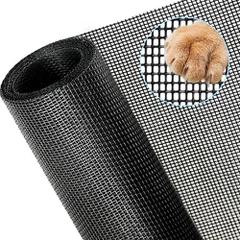
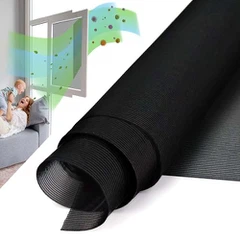
First off, what exactly is a solar polyester screen? Well, it's a type of screen made from polyester material that's designed to block out a certain amount of sunlight while still allowing some light to pass through. These screens are commonly used in windows, doors, and even outdoor areas to provide shade and reduce heat gain. They're a popular choice for both residential and commercial buildings because they're affordable, durable, and easy to install.
Now, let's talk about the light transmission rate. The light transmission rate of a solar polyester screen refers to the percentage of visible light that passes through the screen. It's usually expressed as a percentage, and it can range from as low as 0% to as high as 100%. A screen with a low light transmission rate will block out more sunlight and provide more shade, while a screen with a high light transmission rate will allow more light to pass through and provide less shade.
So, how do you choose the right light transmission rate for your needs? Well, it depends on a few factors, such as the amount of sunlight you want to block, the level of privacy you need, and the aesthetic you're going for. If you're looking for maximum shade and privacy, you might want to choose a screen with a low light transmission rate, such as 5% or 10%. These screens will block out most of the sunlight and provide a high level of privacy, but they'll also make your space darker.
On the other hand, if you want to let in more light and still have some shade, you might want to choose a screen with a higher light transmission rate, such as 20% or 30%. These screens will allow more light to pass through and provide a more natural-looking environment, but they'll also block out less sunlight and provide less privacy.
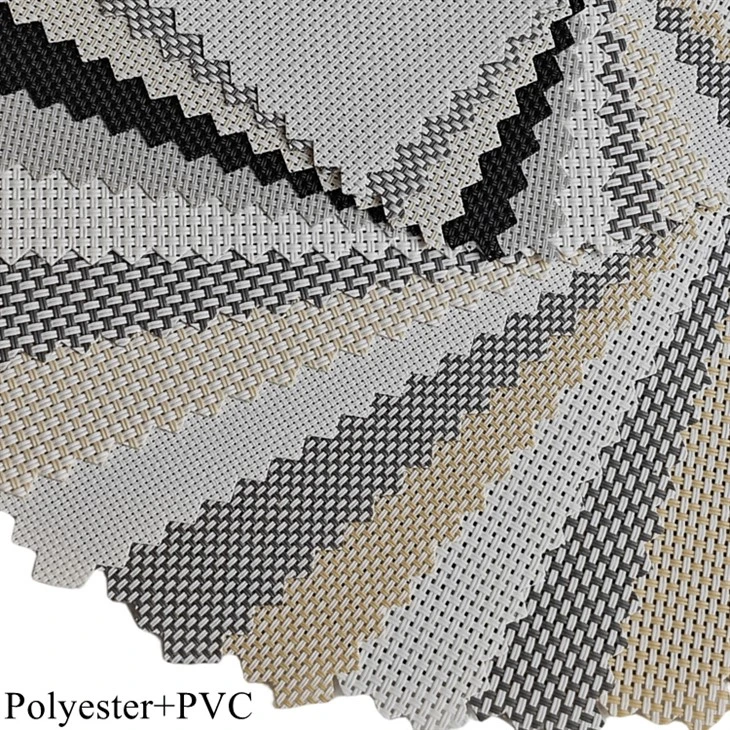
Another factor to consider is the color of the screen. Darker colors tend to block out more sunlight and have a lower light transmission rate, while lighter colors tend to allow more light to pass through and have a higher light transmission rate. So, if you're looking for maximum shade, you might want to choose a dark-colored screen, such as black or dark gray. If you want to let in more light, you might want to choose a lighter-colored screen, such as white or light gray.
At our company, we offer a wide range of solar polyester screens with different light transmission rates and colors to suit your needs. Whether you're looking for a screen with a low light transmission rate for maximum shade and privacy or a screen with a high light transmission rate for more light and a natural-looking environment, we've got you covered.
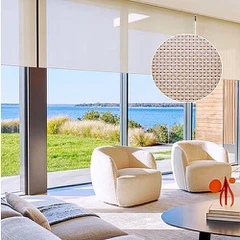
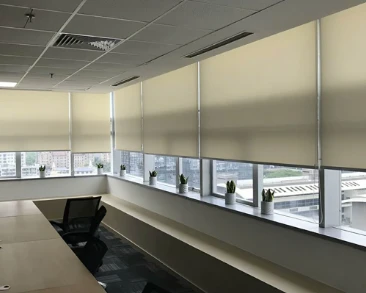
For example, our Customizable Openness Sunscreen 0-20% Fabric Sun-Shading Roller Blinds are a great option if you're looking for a customizable screen with a low light transmission rate. These blinds are made from high-quality polyester fabric and can be adjusted to block out as little or as much sunlight as you want. They're also easy to install and operate, making them a popular choice for both residential and commercial buildings.
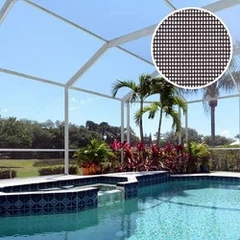
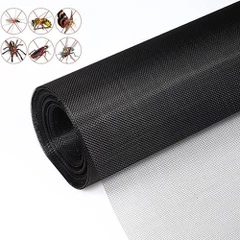
If you're looking for a more affordable option, our Shading Net For Blinds are a great choice. These nets are made from durable polyester material and are available in a variety of colors and light transmission rates. They're easy to install and can be used on windows, doors, and even outdoor areas to provide shade and reduce heat gain.
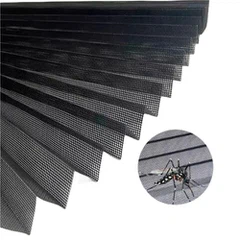
And if you're looking for a screen that's specifically designed for windows, our Window Sunscreen for Blinds are a great option. These screens are made from high-quality polyester material and are available in a variety of colors and light transmission rates. They're easy to install and can be used on both single and double-pane windows to provide shade and reduce heat gain.
In addition to the light transmission rate and color, there are a few other factors to consider when choosing a solar polyester screen. For example, you'll want to make sure the screen is durable and resistant to UV rays, as this will ensure that it lasts for a long time and doesn't fade or deteriorate over time. You'll also want to make sure the screen is easy to clean and maintain, as this will make it easier to keep your space looking clean and tidy.
So, there you have it! That's everything you need to know about the light transmission rate of a solar polyester screen. If you have any questions or need help choosing the right screen for your needs, please don't hesitate to contact us. We're here to help you find the perfect solar polyester screen for your home or business.
Whether you're a homeowner looking to reduce your energy bills or a business owner looking to create a more comfortable environment for your customers and employees, our solar polyester screens are a great choice. So, why wait? Contact us today to learn more about our products and to get a free quote. We look forward to hearing from you!
References:
- "Solar Screens: How They Work and Why You Need Them." Energy.gov, U.S. Department of Energy, 2023.
- "Choosing the Right Solar Screen." HomeAdvisor, 2023.
- "Solar Screen Buying Guide." WindowExperts.com, 2023.