


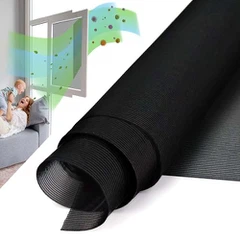
As a supplier of polyester mesh for pets, I often receive inquiries from customers about the heat resistance of our products. Understanding the heat resistance of polyester mesh is crucial for pet owners, as it directly impacts the safety and comfort of their furry friends. In this blog post, I'll delve into the science behind the heat resistance of polyester mesh for pets, exploring its properties, applications, and factors that influence its performance.
Understanding Polyester Mesh
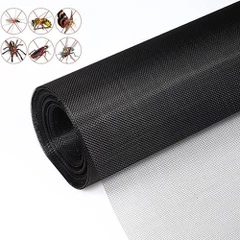
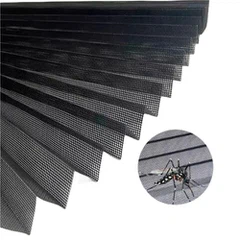
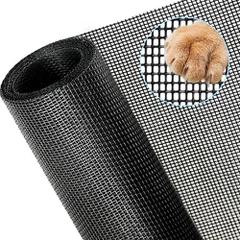
Polyester mesh is a versatile material made from synthetic polyester fibers woven into a net-like structure. It is known for its durability, strength, and resistance to various environmental factors. In the context of pet products, polyester mesh is commonly used in pet carriers, playpens, and bedding due to its breathability and flexibility.
Heat Resistance Properties of Polyester Mesh
Polyester is inherently a heat-resistant material. It has a high melting point, typically around 250 - 260°C (482 - 500°F). This means that under normal conditions, polyester mesh can withstand relatively high temperatures without melting or deforming. However, the actual heat resistance of polyester mesh for pets can be influenced by several factors.
Fiber Thickness and Density
The thickness and density of the polyester fibers used in the mesh play a significant role in its heat resistance. Thicker fibers generally have better heat resistance as they can absorb and dissipate heat more effectively. Similarly, a denser mesh structure provides more insulation and can withstand higher temperatures.
Additives and Treatments
Some polyester meshes are treated with additives to enhance their heat resistance. These additives can act as flame retardants or heat stabilizers, improving the mesh's ability to resist heat and prevent combustion. For example, certain chemical treatments can form a protective layer on the fibers, reducing the risk of melting or ignition.
Environmental Conditions
The heat resistance of polyester mesh can also be affected by the surrounding environment. Factors such as humidity, air circulation, and exposure to direct sunlight can impact the mesh's performance. In high-humidity environments, the mesh may absorb moisture, which can lower its heat resistance. Additionally, prolonged exposure to direct sunlight can cause the mesh to degrade over time, reducing its ability to withstand heat.
Applications of Polyester Mesh for Pets
Polyester mesh is used in a variety of pet products, each with different heat resistance requirements.
Pet Carriers
Pet carriers are often made with polyester mesh to provide ventilation and visibility. When traveling in hot weather, it's important that the mesh can withstand the heat without compromising the safety of the pet. A high-quality polyester mesh with good heat resistance can ensure that the carrier remains cool and comfortable for the pet, even in warm environments.
Playpens
Playpens are another common application of polyester mesh. They allow pets to move around freely while providing a safe and secure environment. The mesh in playpens should be able to withstand the heat generated by the pet's activity and any external heat sources, such as sunlight.
Bedding
Polyester mesh can also be used in pet bedding to provide breathability and comfort. In hot weather, a mesh bedding can help keep the pet cool by allowing air to circulate. However, it's important to choose a mesh with sufficient heat resistance to prevent it from melting or deforming if the pet lies on it for an extended period.
Comparing Polyester Mesh with Other Materials
When considering the heat resistance of polyester mesh for pets, it's helpful to compare it with other materials commonly used in pet products.
Fiberglass Mesh
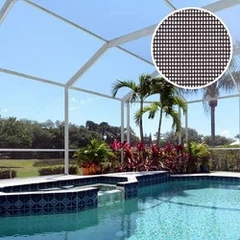
Fiberglass mesh is another popular choice for pet products, especially for applications where high strength and durability are required. Fiberglass has excellent heat resistance, with a melting point of around 550 - 650°C (1022 - 1202°F). However, fiberglass can be brittle and may cause irritation if it comes into contact with the pet's skin. You can learn more about Fiberglass Insect Mesh, Patio Door Fiberglass Mesh Screen, and Fiberglass Pool Screen on our website.


Nylon Mesh
Nylon mesh is known for its strength and flexibility. While nylon has a relatively high melting point (around 215 - 225°C or 419 - 437°F), it is not as heat-resistant as polyester. Nylon may also absorb moisture more easily, which can affect its performance in hot and humid conditions.
Factors to Consider When Choosing Polyester Mesh for Pets
When selecting polyester mesh for pet products, there are several factors to consider to ensure that it meets the required heat resistance standards.
Safety Standards
Look for polyester mesh that meets relevant safety standards, such as flame retardancy requirements. This can provide peace of mind knowing that the mesh is safe for your pet.
Quality and Durability
Choose a high-quality polyester mesh that is durable and can withstand regular use. Check the mesh for any signs of damage or weakness, such as fraying or holes, as these can compromise its heat resistance.
Manufacturer Reputation
Select a reputable manufacturer with a proven track record of producing high-quality polyester mesh for pets. A reliable manufacturer will be able to provide detailed information about the mesh's heat resistance and other properties.
Maintaining the Heat Resistance of Polyester Mesh
To ensure that the polyester mesh for your pet products maintains its heat resistance over time, it's important to follow proper maintenance guidelines.
Regular Cleaning
Regularly clean the mesh to remove dirt, debris, and any other contaminants that may affect its heat resistance. Use a mild detergent and warm water, and avoid using harsh chemicals or abrasive cleaners that can damage the mesh.
Storage
Store the pet products made with polyester mesh in a cool, dry place away from direct sunlight. This can prevent the mesh from degrading and maintain its heat resistance.
Inspection
Periodically inspect the mesh for any signs of wear or damage. If you notice any issues, such as melting or fraying, replace the mesh immediately to ensure the safety of your pet.
Conclusion
The heat resistance of polyester mesh for pets is an important consideration for pet owners and manufacturers alike. By understanding the factors that influence the mesh's heat resistance, such as fiber thickness, additives, and environmental conditions, you can choose the right mesh for your pet products. Whether it's a pet carrier, playpen, or bedding, a high-quality polyester mesh with good heat resistance can provide a safe and comfortable environment for your furry friend.
If you're interested in purchasing polyester mesh for your pet products, we'd love to hear from you. Our team of experts can provide you with detailed information about our products and help you choose the right mesh for your specific needs. Contact us today to start a discussion about your procurement requirements.
References
- "Polyester Fibers: Structure, Properties, and Applications" by John W. S. Hearle
- "Textile Science and Technology" edited by B. K. Behera
- "Pet Product Safety Standards" published by the American Pet Products Association