

Do sunshade screens affect the aesthetics of a building? This is a question that often arises when considering the installation of sunshade screens in architectural projects. As a sunshade screen supplier, I've had the opportunity to witness firsthand the diverse impacts of these screens on building aesthetics. In this blog, I'll explore both the positive and negative aspects of how sunshade screens can influence a building's visual appeal.
Positive Aesthetics of Sunshade Screens
Adding Visual Interest
Sunshade screens can serve as dynamic elements that add a layer of visual interest to a building's facade. They break up the monotony of large, plain surfaces, creating a more engaging and textured appearance. For example, a modern office building with a sleek glass facade can be transformed by the addition of geometrically patterned sunshade screens. These screens can introduce a sense of rhythm and movement, making the building stand out in its urban context.
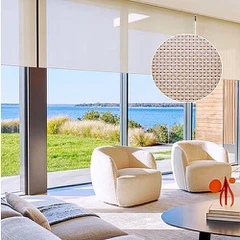
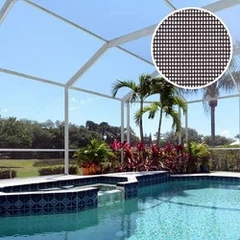
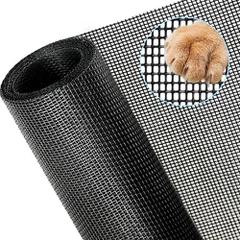
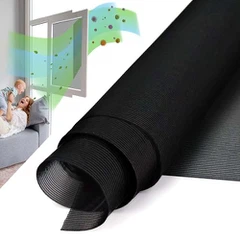
The variety of materials, colors, and patterns available in sunshade screens allows architects and designers to customize the look of a building. Sunshade 1% 3% 5% 10% Screen Fabric comes in different openness factors, which not only affect the amount of sunlight and heat reduction but also contribute to the overall aesthetic. A finer mesh may create a more delicate and refined look, while a coarser mesh can give a more industrial or rustic feel.
Enhancing Architectural Style
Sunshade screens can be used to enhance the architectural style of a building. In a Mediterranean-style building, for instance, wooden or metal sunshade screens with intricate lattice patterns can complement the warm colors and traditional design elements. These screens can evoke a sense of heritage and add to the building's character.
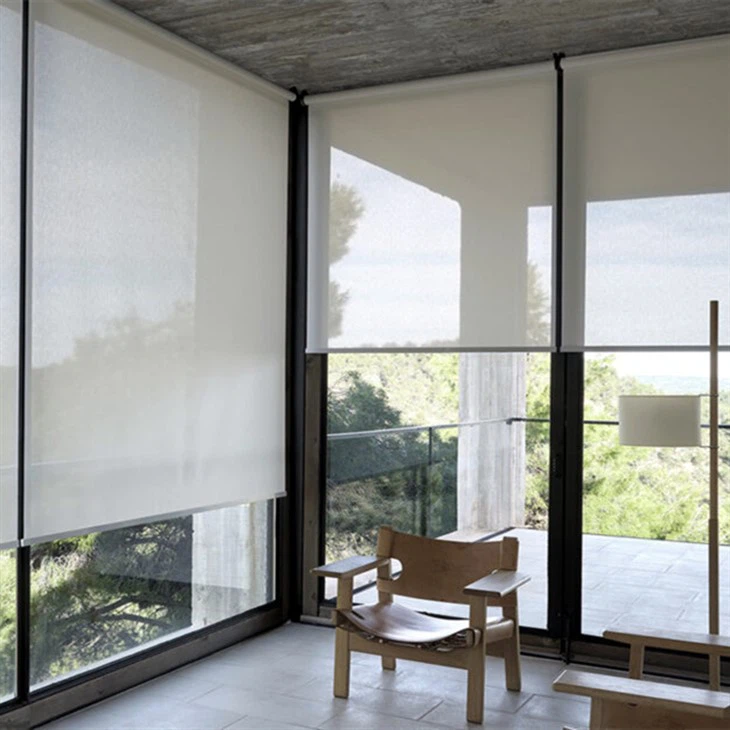
In contemporary architecture, minimalist sunshade screens made of sleek aluminum or stainless steel can reinforce the clean lines and modern aesthetic. They can be integrated seamlessly into the building's design, acting as an extension of the architectural concept rather than an afterthought. The use of Polyester Sunscreen Fabric in these settings can provide a soft, diffused look, adding a touch of elegance to the overall design.
Creating a Sense of Depth
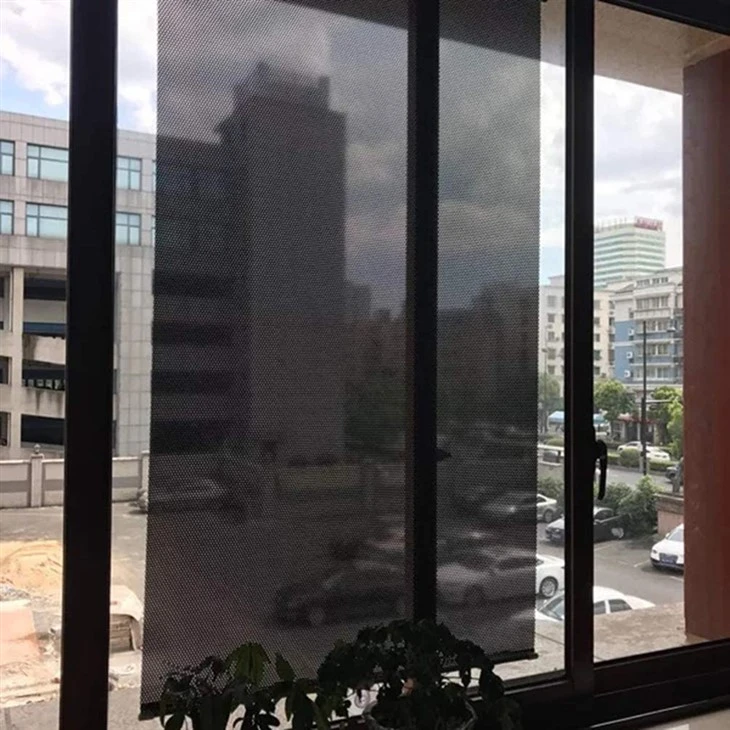
Sunshade screens can create a sense of depth on a building's facade. By being installed at a distance from the main wall, they create a shadow effect that changes throughout the day as the sun moves. This play of light and shadow adds a three - dimensional quality to the building, making it more visually appealing. It can also give the impression of a more substantial and complex structure.
For example, in a high - rise building, vertical sunshade screens can be arranged in a staggered pattern, creating a sense of movement and depth. The shadows cast by these screens can make the building appear more dynamic and less static, enhancing its overall aesthetic appeal.
Negative Aesthetics of Sunshade Screens
Visual Clutter
One of the potential drawbacks of sunshade screens is the risk of creating visual clutter. If not carefully designed and integrated, multiple layers of screens or screens with overly complex patterns can make a building's facade look busy and chaotic. This can be particularly problematic in areas where a clean and simple aesthetic is desired.
For instance, if a building already has a lot of decorative elements on its facade, adding sunshade screens with intricate designs may overwhelm the overall look. In such cases, it's important to choose screens that are more understated and complementary to the existing architecture.
Mismatched Design
Another issue is the potential for a mismatched design. If the sunshade screens are not in harmony with the building's style, they can look out of place. For example, installing a highly modern and industrial - looking sunshade screen on a historic building may clash with its traditional architecture, detracting from its aesthetic value.
It's crucial to consider the overall design concept of the building when selecting sunshade screens. The materials, colors, and patterns should be chosen to blend seamlessly with the existing elements of the architecture.
Maintenance and Wear
Over time, sunshade screens can show signs of wear and tear, which can affect their aesthetic appeal. Fading, rusting, or fraying of the screens can make the building look shabby and unkempt. This is especially true for outdoor sunshade screens that are exposed to the elements.
For example, metal sunshade screens may rust if not properly coated or maintained, and fabric screens may fade in the sun. Regular maintenance is essential to ensure that the screens continue to look good and contribute positively to the building's aesthetics.
Mitigating Negative Aesthetics
Thoughtful Design and Planning
To avoid visual clutter and mismatched design, it's essential to involve designers and architects in the early stages of the project. They can ensure that the sunshade screens are integrated into the overall design concept of the building. This may involve choosing screens that are simple and complementary to the existing architecture, or using them in a strategic way to enhance the building's features.
For example, in a mixed - use development, the sunshade screens can be designed to vary in style and pattern depending on the function of different parts of the building. Retail areas may have more vibrant and eye - catching screens, while residential areas may have more subdued and private screens.
High - Quality Materials and Installation
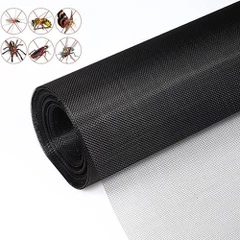
Using high - quality materials can reduce the risk of wear and tear. Shading Net for Blinds made from durable materials such as high - grade polyester or corrosion - resistant metals can last longer and maintain their appearance. Professional installation is also crucial to ensure that the screens are properly aligned and secure, reducing the risk of damage over time.
Regular Maintenance
Regular maintenance is key to keeping sunshade screens looking their best. This may include cleaning the screens periodically, inspecting for damage, and making any necessary repairs or replacements. By investing in maintenance, building owners can ensure that the sunshade screens continue to enhance the building's aesthetics for years to come.
Conclusion
In conclusion, sunshade screens can have both positive and negative impacts on the aesthetics of a building. When carefully designed, integrated, and maintained, they can enhance a building's visual appeal by adding interest, depth, and style. However, if not properly planned, they can create visual clutter, mismatched design, and maintenance issues.
As a sunshade screen supplier, I understand the importance of providing high - quality products that not only meet the functional requirements but also contribute to the overall aesthetic of a building. If you're considering installing sunshade screens in your project, I encourage you to reach out for a consultation. We can work together to select the right screens that will enhance the beauty and functionality of your building.
References
- "Architectural Sunshading Design: Principles and Practice" by David G. Armstrong
- "The Role of Sunshades in Sustainable Building Design" by the American Institute of Architects