

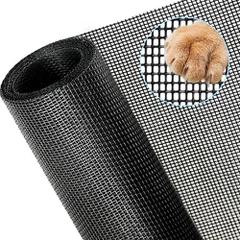
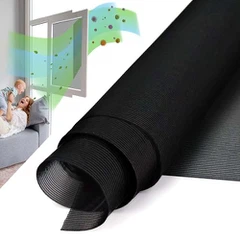
Hey there! As a supplier of polyester shading mesh, I often get asked about the color stability of this product when it's exposed to sunlight. It's a crucial question, especially for customers who want their shading solutions to look great and last a long time. So, let's dive into what color stability means for polyester shading mesh in sunlight.
First off, what is polyester shading mesh? It's a popular material used for shading in a variety of applications, from agricultural greenhouses to outdoor patios and commercial buildings. Polyester is a synthetic fiber known for its durability, strength, and resistance to many environmental factors. But when it comes to sunlight, things can get a bit tricky.
Sunlight contains ultraviolet (UV) rays, which are the main culprit behind color fading in most materials. UV rays can break down the chemical bonds in the dyes used to color the polyester shading mesh. Over time, this leads to a loss of color intensity and vibrancy. The process is similar to what happens when you leave your favorite T - shirt out in the sun for too long.
However, not all polyester shading meshes are created equal when it comes to color stability. There are several factors that can affect how well the mesh retains its color in sunlight.
Quality of Dyes
The type and quality of dyes used in the manufacturing process play a huge role. High - quality, UV - resistant dyes are designed to withstand the harsh effects of sunlight. These dyes are formulated to have strong chemical bonds that are less likely to be broken by UV rays. On the other hand, cheaper dyes may fade quickly, even after just a few weeks of sun exposure. As a supplier, I always make sure to source polyester shading mesh that uses top - notch dyes to ensure better color stability for my customers.
Additives
Many manufacturers add UV stabilizers and antioxidants to the polyester during production. These additives act as a shield, protecting the mesh from the damaging effects of UV rays. UV stabilizers absorb the UV energy and convert it into heat, which is then dissipated. Antioxidants, on the other hand, prevent the oxidation process that can cause color fading. When shopping for polyester shading mesh, look for products that mention the use of these additives. For example, our Polyester Sunscreen Fabric is treated with these advanced additives to enhance its color stability.
Mesh Density
The density of the polyester shading mesh can also impact color stability. A denser mesh provides more protection for the dyes from direct sunlight. The fibers in a denser mesh block more UV rays from reaching the dyes, reducing the chances of color fading. However, it's important to find the right balance because a too - dense mesh may not allow enough air circulation, which can be a problem in some applications like greenhouses.
Testing the Color Stability
As a supplier, I've seen various testing methods used to evaluate the color stability of polyester shading mesh. One common method is the accelerated weathering test. In this test, samples of the mesh are exposed to intense UV light in a controlled environment for a set period. This simulates years of sun exposure in just a few weeks. After the test, the color change of the samples is measured using a colorimeter. The results of these tests give us a good idea of how the mesh will perform in real - world conditions.
Now, let's talk about how long you can expect your polyester shading mesh to maintain its color in sunlight. Well, it depends on all the factors we've discussed above. With high - quality dyes, proper additives, and a suitable mesh density, you can expect the mesh to retain its color for several years. In some cases, under normal sunlight conditions, the color may remain vibrant for up to 5 - 7 years. However, if the mesh is exposed to extremely intense sunlight, such as in desert regions, the color may start to fade a bit earlier.

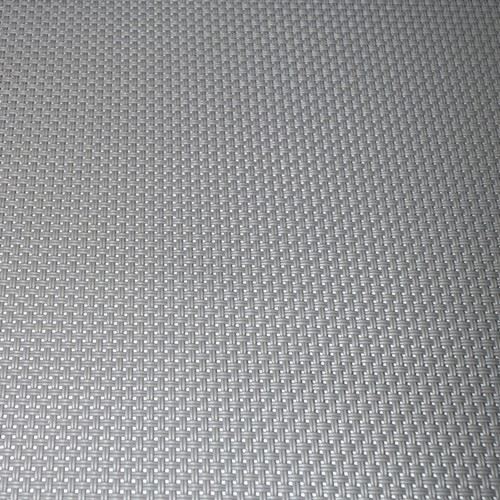
Comparing with Other Shading Materials
It's also interesting to compare the color stability of polyester shading mesh with other popular shading materials. For example, 450GSM Fiberglass+PVC Sunshade 5% Fabric is another option on the market. Fiberglass - based materials generally have good durability, but their color stability can vary. PVC coatings on fiberglass can sometimes yellow or fade over time due to UV exposure. Polyester shading mesh, when properly treated, often has better long - term color stability compared to some fiberglass and PVC combinations.
Another alternative is customizable weight sunshade fabric. Our Customizable Weight Sunshade Fabric offers flexibility in terms of weight and shading percentage. Polyester - based customizable weight fabrics can be engineered to have excellent color stability, especially when they are made with the right quality control measures.
Maintenance for Color Preservation
To get the most out of your polyester shading mesh's color stability, some simple maintenance steps can go a long way. Regular cleaning can remove dirt and debris that may accumulate on the mesh. Dirt can actually trap moisture and accelerate the fading process. Use a mild soap and water solution to gently clean the mesh. Avoid using harsh chemicals or abrasive cleaners as they can damage the mesh and the dyes.
In conclusion, the color stability of polyester shading mesh in sunlight is a complex but important topic. As a supplier, I'm committed to providing my customers with high - quality products that offer excellent color retention. If you're in the market for a shading solution that will look great and last, polyester shading mesh is definitely worth considering.
Whether you're a farmer looking to protect your crops in a greenhouse, a homeowner wanting to shade your patio, or a business owner in need of commercial shading, we have the right polyester shading mesh for you. Don't hesitate to reach out if you have any questions or want to discuss your specific needs. We're here to help you make the best choice for your shading project and ensure you get a product that meets your expectations in terms of color stability and overall performance.
References
- ASTM International. (Year). Standard test methods for evaluating the colorfastness of textiles to light.
- Textile Research Journal. Various issues on the topic of color stability of synthetic fibers in sunlight.