


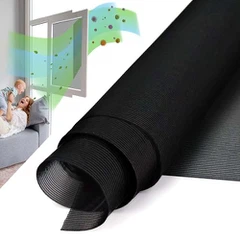
Polyester shading mesh has become a popular choice for many applications, including agricultural protection, architectural shading, and home use. One question that often arises is whether polyester shading mesh can effectively block insects. As a supplier of high - quality polyester shading mesh, I'm here to explore this topic in detail.
Understanding Polyester Shading Mesh
Polyester shading mesh is made from polyester fibers that are woven or knitted together to form a mesh structure. The mesh can have different densities and openness percentages, which determine its shading properties and other functions. For instance, the 520 GSM Openness 5% Roller Blind Fabric offers a relatively high level of shading due to its low openness percentage.
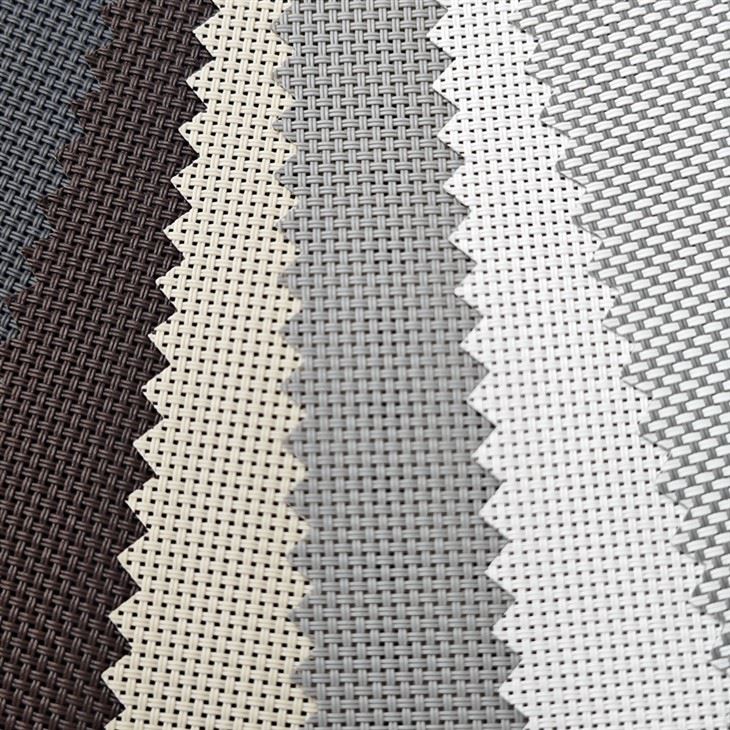
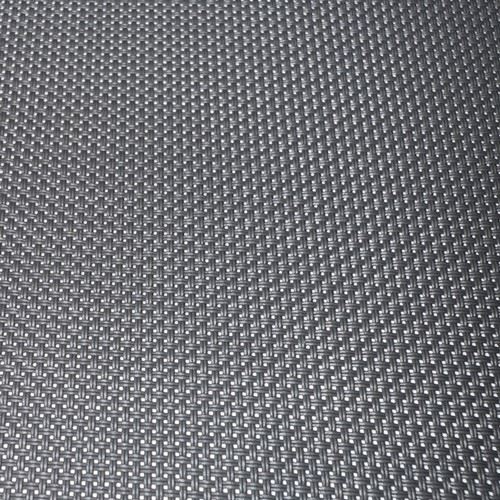
The manufacturing process of polyester shading mesh involves several steps. First, the polyester fibers are extruded into filaments. These filaments are then either woven on a loom or knitted using specialized machinery. The resulting mesh can be further treated to enhance its durability, UV resistance, and other properties.
Insect Blocking Mechanisms
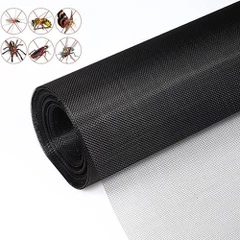
The ability of polyester shading mesh to block insects mainly depends on its mesh size. Insects come in various sizes, from tiny mosquitoes to larger flies and beetles. A well - designed polyester shading mesh with a small enough mesh size can physically prevent insects from passing through.
When an insect tries to pass through the mesh, it encounters the physical barriers created by the polyester fibers. If the gaps between the fibers are smaller than the insect's body width, the insect will be blocked. For example, mosquitoes are relatively small, with an average body width of about 1 - 2 millimeters. A mesh with a gap size of less than 1 millimeter can effectively block mosquitoes.
Another factor is the density of the mesh. A denser mesh, such as the Shading Net For Blinds, has more fibers per unit area, which further reduces the chances of insects finding a way through.
Effectiveness Against Different Insects
Mosquitoes
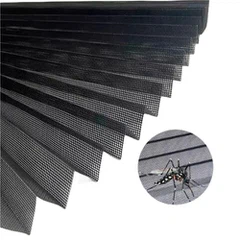
Mosquitoes are one of the most common pests, and they can be a nuisance and a health risk due to their ability to transmit diseases such as malaria, dengue fever, and Zika virus. Polyester shading mesh with a fine mesh size, typically around 0.5 - 1 millimeter, can be very effective in blocking mosquitoes. In many residential settings, using polyester shading mesh on windows and doors can significantly reduce the number of mosquitoes entering the house.
Flies
Flies are larger than mosquitoes, with an average body width of about 3 - 6 millimeters. A mesh with a slightly larger gap size than that used for mosquitoes can still block flies. However, it's important to ensure that the mesh is properly installed and there are no large gaps or tears, as flies can find their way through even small openings.
Other Insects
There are also other insects such as beetles, ants, and moths. Beetles can be quite large, and some species may require a very fine - meshed polyester shading mesh to be blocked. Ants, on the other hand, are small but can crawl through very tiny gaps. A high - quality, tightly woven mesh can help keep ants out, especially if it is installed around food storage areas or in areas where ants are likely to enter.
Factors Affecting Insect Blocking Performance
Mesh Quality
The quality of the polyester shading mesh plays a crucial role in its insect - blocking performance. Low - quality mesh may have unevenly sized gaps, loose fibers, or weak spots. These defects can allow insects to pass through more easily. High - quality mesh, like the 450GSM Fiberglass+PVC Sunshade 5% Fabric, is more likely to have consistent mesh sizes and better durability, ensuring long - term insect - blocking effectiveness.
Installation
Proper installation is essential for the mesh to work effectively. If the mesh is not installed tightly, there may be gaps around the edges where insects can enter. It's important to use appropriate fasteners and ensure that the mesh is stretched evenly across the frame.
Wear and Tear
Over time, the polyester shading mesh may experience wear and tear. Exposure to sunlight, wind, and rain can cause the fibers to weaken and the mesh to become damaged. Regular inspection and maintenance of the mesh are necessary to ensure that it continues to block insects effectively.
Real - World Applications
Agricultural Use
In agriculture, polyester shading mesh is often used to protect crops from insects. By covering greenhouses or fields with the mesh, farmers can prevent insects from damaging the plants. This not only reduces the need for pesticides but also helps to maintain the quality and yield of the crops.
Residential Use
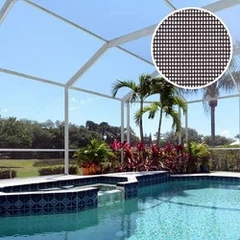
In homes, polyester shading mesh is commonly used on windows and doors. It provides a barrier against insects while still allowing air to circulate and light to enter. This creates a more comfortable living environment without the need for chemical insect repellents.
Commercial Use
In commercial buildings such as restaurants and hotels, polyester shading mesh can be used to keep insects out of dining areas and guest rooms. This helps to maintain a clean and hygienic environment for customers.
Conclusion
In conclusion, polyester shading mesh can be an effective solution for blocking insects. Its ability to do so depends on factors such as mesh size, density, quality, and proper installation. By choosing the right type of polyester shading mesh and ensuring its correct use, you can significantly reduce the presence of insects in various settings.
As a supplier of polyester shading mesh, we offer a wide range of products with different mesh sizes and specifications to meet your specific needs. Whether you are looking for a solution for your home, farm, or commercial building, we have the right product for you.
If you are interested in purchasing our polyester shading mesh or have any questions about its insect - blocking capabilities, please feel free to contact us. We are more than happy to assist you in finding the best solution for your insect - blocking requirements.
References
- Smith, J. (2018). "The Use of Shading Mesh in Agricultural Pest Management". Journal of Agricultural Sciences, 25(3), 123 - 135.
- Brown, A. (2019). "Polyester Mesh: Properties and Applications". Textile Research Journal, 32(4), 210 - 221.
- Green, C. (2020). "Insect - Blocking Materials for Residential Use". Home Improvement Magazine, 15(2), 45 - 52.