

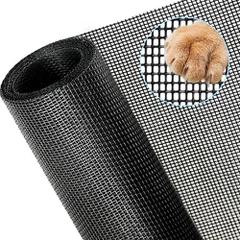
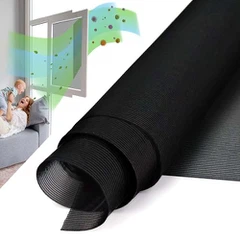
When it comes to selecting a pollen screen mesh, there are several crucial features that you should take into account. As a supplier of high - quality pollen screen meshes, I understand the importance of these features and how they can impact the effectiveness of the screen in protecting your living or working space from pollen.
Pore Size
One of the most fundamental features to consider is the pore size of the pollen screen mesh. Pollen grains come in various sizes, typically ranging from about 10 to 100 micrometers. A good pollen screen mesh should have a pore size small enough to block the majority of pollen grains. For common types of pollen such as tree, grass, and weed pollen, a pore size of around 10 - 20 micrometers is often recommended. This ensures that even the smaller pollen grains are effectively trapped, preventing them from entering through the screen.


If the pore size is too large, pollen will simply pass through, rendering the screen ineffective. On the other hand, if the pores are too small, it can restrict air flow, which may lead to poor ventilation in the area behind the screen. Our Anti Pollen Screen is carefully engineered with an optimal pore size that strikes the perfect balance between pollen filtration and air circulation.
Material Quality
The material of the pollen screen mesh is another vital aspect. High - quality materials not only ensure better durability but also contribute to the overall effectiveness of the screen. Some common materials used for pollen screen meshes include fiberglass, polyester, and stainless steel.
Fiberglass is a popular choice due to its lightweight nature and corrosion resistance. It is also relatively inexpensive, making it a cost - effective option. However, it may not be as strong as some other materials and can be prone to tearing over time.
Polyester is known for its strength and flexibility. It is resistant to UV rays, which means it won't degrade quickly when exposed to sunlight. This makes it a great choice for outdoor applications. Polyester meshes can also be treated to enhance their pollen - blocking capabilities.
Stainless steel is the most durable option. It is extremely strong, resistant to corrosion, and can withstand harsh environmental conditions. Although it is more expensive than fiberglass and polyester, it offers long - term reliability. Our Pollen Proof Window Screen is available in a variety of high - quality materials, allowing you to choose the one that best suits your needs and budget.
Air Permeability
Good air permeability is essential for a pollen screen mesh. A screen that restricts air flow too much can cause discomfort, as it may lead to stuffy indoor air. Adequate air circulation is important for maintaining a healthy and comfortable living or working environment.
The air permeability of a pollen screen mesh is usually measured in terms of the amount of air that can pass through a given area of the screen per unit of time. A well - designed pollen screen should have a high air permeability while still effectively blocking pollen. Our Pollen Guard Screen is designed with advanced technology to ensure excellent air flow, so you can enjoy fresh air without worrying about pollen intrusion.
Ease of Installation
The ease of installation is also a significant factor. You don't want to spend hours or even days struggling to install a pollen screen mesh. A good screen should come with clear instructions and be easy to fit onto windows, doors, or other openings.
Some pollen screen meshes are designed to be easily cut to size, allowing you to customize them according to your specific requirements. They may also come with accessories such as adhesive strips or clips for quick and hassle - free installation. Our products are designed with the end - user in mind, and we provide detailed installation guides to make the process as simple as possible.
Maintenance Requirements
Low - maintenance pollen screen meshes are highly desirable. Over time, pollen and other debris can accumulate on the screen, which may reduce its effectiveness. A screen that is easy to clean will save you time and effort in the long run.
Some meshes can be simply washed with water and mild soap, while others may be suitable for machine washing. It's important to choose a screen that can be easily maintained without damaging its structure or pollen - blocking properties. Our pollen screen meshes are designed to be low - maintenance, so you can keep them in top condition with minimal effort.
UV Resistance
If the pollen screen mesh is going to be used outdoors, UV resistance is a must - have feature. Exposure to sunlight can cause the material of the screen to degrade over time, leading to a reduction in its strength and effectiveness.
A UV - resistant screen will maintain its integrity and performance even after prolonged exposure to the sun. This ensures that the screen continues to block pollen effectively for an extended period. Our outdoor - rated pollen screen meshes are treated to provide excellent UV resistance, so you can rely on them to protect your space year after year.
Fire Resistance
In some cases, fire resistance may be a crucial feature, especially in commercial or high - risk areas. A fire - resistant pollen screen mesh can provide an extra layer of safety by preventing the spread of fire through the screen.
Materials such as stainless steel and some treated fiberglass and polyester meshes can offer varying degrees of fire resistance. When choosing a pollen screen mesh, consider the fire safety requirements of your location and select a screen that meets those standards.
Compatibility with Existing Structures
The pollen screen mesh should be compatible with your existing windows, doors, or other structures. It should fit properly without any gaps or loose edges, as these can allow pollen to enter.
Some screens are designed to be universal and can be easily adapted to different types of frames. Others may be specifically tailored for certain window or door models. Before purchasing a pollen screen mesh, measure your openings accurately and check the compatibility information provided by the supplier.
Cost - Effectiveness
Finally, cost - effectiveness is an important consideration. While you want to invest in a high - quality pollen screen mesh, you also don't want to overspend. Compare the prices of different products based on their features and quality.
Keep in mind that a more expensive screen may offer better durability, performance, and additional features, which can save you money in the long run by reducing the need for frequent replacements. Our range of pollen screen meshes offers a variety of options at different price points, so you can find a product that meets your requirements and budget.
In conclusion, when looking for a pollen screen mesh, it's essential to consider features such as pore size, material quality, air permeability, ease of installation, maintenance requirements, UV resistance, fire resistance, compatibility with existing structures, and cost - effectiveness. As a supplier, we are committed to providing high - quality pollen screen meshes that meet all these criteria. If you are interested in purchasing our products or have any questions, please feel free to contact us for a detailed discussion and to start the procurement process.
References
- "Pollen and Air Quality: Understanding the Link" - Journal of Environmental Science
- "Materials for Pollen Filtration: A Comparative Study" - International Journal of Materials Science
- "Airflow and Filtration Efficiency of Pollen Screen Meshes" - Building and Environment Research