


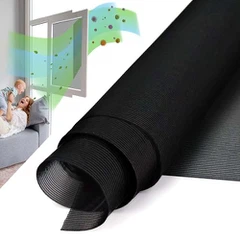
Polyester shading mesh has emerged as a versatile material in various industries, and the question of whether it can be used for agricultural purposes is both relevant and important. As a supplier of polyester shading mesh, I have witnessed firsthand its potential in the agricultural sector. In this blog, we will explore the characteristics of polyester shading mesh, its advantages and limitations in agriculture, and provide insights into its practical applications.
Characteristics of Polyester Shading Mesh
Polyester shading mesh is made from high - strength polyester fibers. These fibers are woven or knitted to form a mesh structure. One of the key features of polyester is its durability. It can withstand harsh environmental conditions, including exposure to sunlight, rain, and wind. The mesh structure allows for a certain degree of air and light penetration, which is crucial for many agricultural applications.
The porosity of the mesh can be adjusted during the manufacturing process. This means that we can produce shading meshes with different levels of shading percentages, ranging from 30% to 90% or even higher. For example, a mesh with a 30% shading rate will allow 70% of the sunlight to pass through, while a 90% shading mesh will block most of the sunlight.
Another important characteristic is its chemical resistance. Polyester is resistant to many chemicals commonly used in agriculture, such as pesticides and fertilizers. This makes it suitable for long - term use in agricultural settings without being damaged by these substances.
Advantages of Using Polyester Shading Mesh in Agriculture
1. Temperature Regulation
In hot climates, excessive sunlight can cause overheating in agricultural crops. Polyester shading mesh can act as a barrier to reduce the amount of direct sunlight reaching the plants. By blocking a portion of the sunlight, it helps to lower the temperature within the growing area. This is particularly beneficial for heat - sensitive crops such as lettuce, spinach, and some varieties of herbs. For instance, in a greenhouse covered with a 50% shading polyester mesh, the temperature can be reduced by several degrees Celsius compared to an uncovered greenhouse, creating a more favorable growing environment.
2. Protection from UV Rays
Ultraviolet (UV) rays can be harmful to plants, causing damage to their DNA, reducing photosynthesis efficiency, and making them more susceptible to diseases. Polyester shading mesh can filter out a significant amount of UV rays. This protection helps to maintain the health and productivity of the crops. Some high - quality polyester shading meshes are specifically designed to have excellent UV - blocking properties, ensuring long - term protection for the plants.
3. Wind and Hail Protection
The mesh structure of polyester shading mesh can also provide some protection against strong winds and hailstorms. It acts as a buffer, reducing the force of the wind and preventing hail from directly hitting the plants. This can prevent physical damage to the crops, such as broken stems and leaves, which can lead to reduced yields.
4. Reduced Evaporation
By reducing the amount of sunlight and wind exposure, polyester shading mesh can help to reduce evaporation from the soil. This means that less water is lost through evaporation, and the soil can retain moisture for a longer period. As a result, farmers can save on water usage and irrigation costs.
Limitations of Polyester Shading Mesh in Agriculture
1. Cost
Compared to some traditional agricultural materials, such as simple plastic sheets, polyester shading mesh can be relatively expensive. The initial investment in purchasing and installing the mesh may be a deterrent for some small - scale farmers. However, it is important to consider the long - term benefits, such as increased crop yields and reduced water usage, which can offset the initial cost over time.
2. Shading Uniformity
Achieving perfect shading uniformity across a large agricultural area can be challenging. There may be areas where the shading is slightly different due to factors such as the installation method and the shape of the growing area. This can lead to uneven growth of the crops, with some plants receiving more or less sunlight than others.
3. Maintenance
Although polyester shading mesh is durable, it still requires some maintenance. Over time, dust, dirt, and debris can accumulate on the mesh, reducing its shading efficiency. Regular cleaning is necessary to ensure optimal performance. Additionally, if the mesh is damaged by animals or other external factors, it may need to be repaired or replaced.
Practical Applications of Polyester Shading Mesh in Agriculture
1. Greenhouses
Greenhouses are one of the most common applications of polyester shading mesh. By covering the greenhouse with the mesh, farmers can control the amount of sunlight and temperature inside. This allows for year - round cultivation of a wide variety of crops, regardless of the external climate. For example, in regions with extremely hot summers, a greenhouse covered with a high - shading polyester mesh can enable the cultivation of cool - season crops.
2. Nurseries
In plant nurseries, polyester shading mesh is used to protect young seedlings from excessive sunlight and harsh weather conditions. The mesh provides a gentle and controlled environment for the seedlings to grow, increasing their survival rate and promoting healthy growth. It can also be used to create different micro - climates within the nursery for different types of plants.
3. Orchards
Some orchards use polyester shading mesh to protect fruit trees from sunburn and wind damage. For example, in citrus orchards, the mesh can be installed over the trees during the hot summer months to prevent the fruit from being damaged by the intense sunlight. This can improve the quality and appearance of the fruit, leading to higher market prices.
Our Product Offerings
As a supplier of polyester shading mesh, we offer a wide range of products to meet the diverse needs of the agricultural industry. Our Customizable Colors Sunscreen Fabric is not only available in different shading percentages but also in various colors. This allows farmers to choose the color that best suits their specific requirements, whether it is for aesthetic reasons or to achieve a particular shading effect.


Our Solar Screen Mesh is designed with high - quality polyester fibers to provide excellent UV - blocking and shading performance. It is suitable for large - scale agricultural applications, such as covering vast greenhouse areas or open - field crops.
We also offer Fiberglass and Polyester Optional Sunshade Blinds Fibric, which combines the advantages of fiberglass and polyester. This fabric is not only strong and durable but also offers precise control over the amount of sunlight and ventilation.
Contact Us for Purchase and Consultation
If you are interested in using polyester shading mesh for your agricultural needs, we would be more than happy to assist you. Our team of experts can provide you with detailed information about our products, help you choose the most suitable mesh for your specific situation, and offer guidance on installation and maintenance. Whether you are a small - scale farmer or a large - scale agricultural enterprise, we have the products and services to meet your requirements. Contact us today to start a discussion about how our polyester shading mesh can benefit your agricultural operations.
References
- Smith, J. (2018). Agricultural Shading Materials: A Review. Journal of Agricultural Engineering, 45(2), 123 - 135.
- Johnson, R. (2019). The Impact of Shading on Crop Growth and Yield. Agricultural Science Research, 32(3), 201 - 212.
- Brown, S. (2020). Polyester Mesh in Agricultural Applications: Properties and Performance. Textile Research Journal, 70(4), 345 - 356.