

As a seasoned supplier of sunshade screen fabric, I've had the privilege of witnessing the ever-evolving demands and preferences in the market. One question that frequently arises from our clients is about the available colors for sunshade screen fabric. In this blog, I'll delve into the diverse color palette we offer, the factors influencing color choices, and how these colors can enhance both the functionality and aesthetics of your sunshade solutions.
The Basics of Sunshade Screen Fabric Colors
Sunshade screen fabrics come in a wide range of colors, each with its own unique characteristics and benefits. The color of a sunshade screen fabric not only affects its visual appeal but also its performance in terms of heat rejection, light transmission, and durability.
Neutral Tones
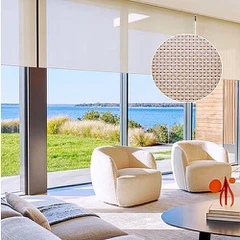
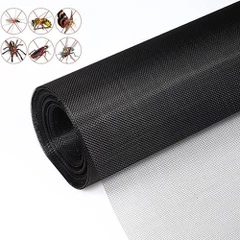
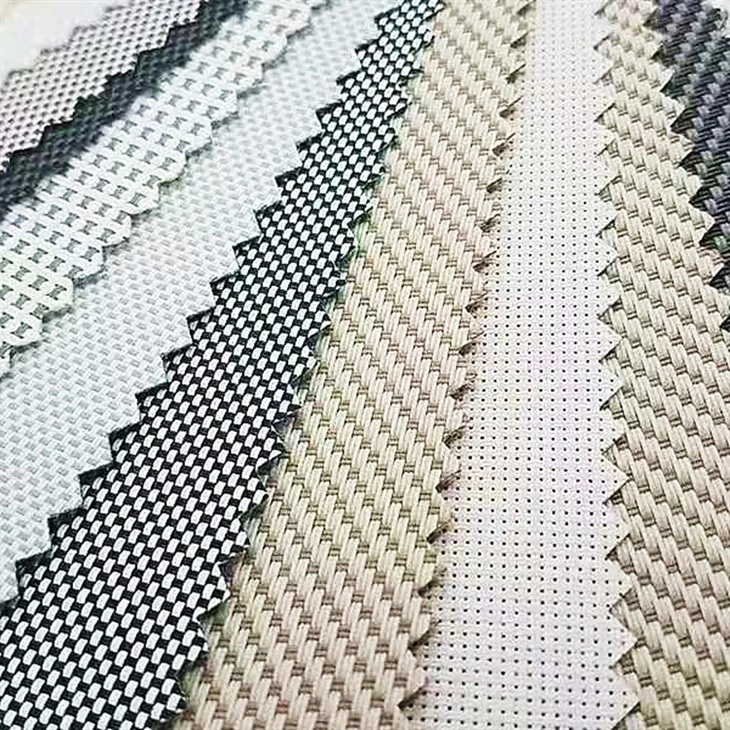
Neutral colors such as white, black, gray, and beige are classic choices for sunshade screen fabrics. White fabrics are known for their high reflectivity, which helps to keep the interior cool by bouncing off sunlight. They also provide a clean and fresh look, making them suitable for modern and minimalist designs. Black fabrics, on the other hand, absorb more heat but offer excellent privacy and light control. They are often used in areas where complete darkness is desired, such as theaters or bedrooms. Gray and beige are versatile neutral colors that can complement a variety of architectural styles and color schemes. They offer a balance between light reflection and absorption, providing a comfortable and inviting atmosphere.
Earth Tones
Earth tones, such as brown, tan, and green, are inspired by nature and can create a warm and inviting ambiance. Brown and tan fabrics are reminiscent of wood and sand, adding a touch of rustic charm to any space. Green fabrics, on the other hand, evoke a sense of tranquility and freshness, making them ideal for outdoor settings or areas with a natural theme. Earth tones are also known for their ability to blend in with the surrounding environment, making them a popular choice for residential and commercial applications.
Bright and Bold Colors
For those who want to make a statement, bright and bold colors are the way to go. Colors such as red, blue, yellow, and orange can add a pop of color and personality to any space. They are often used in modern and contemporary designs to create a vibrant and energetic atmosphere. However, it's important to note that bright colors may absorb more heat than neutral or earth tones, so they may not be the best choice for areas that receive a lot of direct sunlight.
Factors Influencing Color Choices
When choosing the color of your sunshade screen fabric, there are several factors to consider. These include:
Architectural Style
The architectural style of your building or space can play a significant role in determining the appropriate color for your sunshade screen fabric. For example, if you have a traditional or historical building, you may want to choose a neutral or earth tone color that complements the existing architecture. On the other hand, if you have a modern or contemporary building, you may want to consider a bright or bold color to add a touch of personality and style.
Color Scheme
The color scheme of your interior and exterior spaces should also be taken into account when choosing the color of your sunshade screen fabric. You want to choose a color that complements the existing color palette and enhances the overall aesthetic of your space. For example, if you have a light-colored interior, you may want to choose a darker color for your sunshade screen fabric to create a contrast. Conversely, if you have a dark-colored interior, you may want to choose a lighter color for your sunshade screen fabric to brighten up the space.

Functionality
The functionality of your sunshade screen fabric is another important factor to consider when choosing a color. If you are using the fabric for heat rejection and light control, you may want to choose a color that has a high solar reflectance index (SRI). This means that the fabric will reflect more sunlight and absorb less heat, helping to keep the interior cool. On the other hand, if you are using the fabric for privacy or decoration, you may want to choose a color that is more opaque or has a unique pattern.
Durability
The durability of your sunshade screen fabric is also an important consideration. You want to choose a color that is fade-resistant and can withstand the elements. Most high-quality sunshade screen fabrics are treated with UV inhibitors to prevent fading and damage from the sun's rays. However, some colors may be more prone to fading than others, so it's important to choose a color that is suitable for your specific application.
Our Color Options
As a leading supplier of sunshade screen fabric, we offer a wide range of colors to meet the diverse needs and preferences of our clients. Our color options include:
Neutral Tones
- White
- Black
- Gray
- Beige
Earth Tones
- Brown
- Tan
- Green
Bright and Bold Colors
- Red
- Blue
- Yellow
- Orange
In addition to our standard color options, we also offer Customizable Colors Sunscreen Fabric to meet the specific requirements of our clients. Our team of experts can work with you to create a custom color that matches your brand identity or design vision.
Applications of Different Colors
The color of your sunshade screen fabric can have a significant impact on its performance and aesthetics. Here are some examples of how different colors can be used in various applications:
Residential Applications
- Living Room: A light-colored sunshade screen fabric, such as white or beige, can be used in the living room to create a bright and airy atmosphere. It can also help to reduce glare and heat from the sun, making the room more comfortable.
- Bedroom: A dark-colored sunshade screen fabric, such as black or navy, can be used in the bedroom to provide privacy and light control. It can also help to create a cozy and relaxing environment for sleeping.
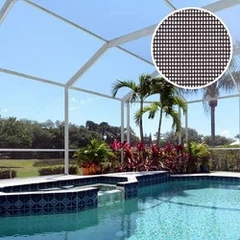
- Outdoor Patio: An earth-tone sunshade screen fabric, such as brown or green, can be used on the outdoor patio to create a natural and inviting atmosphere. It can also help to protect the patio furniture from the sun's rays and reduce the temperature in the area.
Commercial Applications
- Office Building: A neutral-colored sunshade screen fabric, such as gray or white, can be used in the office building to create a professional and modern look. It can also help to reduce energy costs by blocking out the sun's heat and glare.
- Retail Store: A bright and bold-colored sunshade screen fabric, such as red or yellow, can be used in the retail store to attract customers and create a vibrant and energetic atmosphere. It can also help to protect the merchandise from the sun's rays and reduce fading.
- Hotel: An earth-tone sunshade screen fabric, such as tan or green, can be used in the hotel to create a warm and inviting atmosphere. It can also help to enhance the guest experience by providing a comfortable and relaxing environment.
Conclusion
In conclusion, the color of your sunshade screen fabric is an important consideration that can have a significant impact on its performance and aesthetics. When choosing a color, it's important to consider the architectural style, color scheme, functionality, and durability of the fabric. At our company, we offer a wide range of colors to meet the diverse needs and preferences of our clients. Whether you are looking for a neutral tone, an earth tone, or a bright and bold color, we have the perfect solution for you.
If you are interested in learning more about our Window Sunscreen or Exterior Sun Control Mesh products, please don't hesitate to contact us. Our team of experts will be happy to assist you with your color selection and provide you with a free quote. We look forward to working with you to create the perfect sunshade solution for your home or business.
References
- American Society for Testing and Materials (ASTM). (2019). Standard Test Method for Determining Solar Reflectance Near Ambient Temperature Using a Portable Solar Reflectometer. ASTM E905-19.
- International Organization for Standardization (ISO). (2018). Textiles - Tests for Colour Fastness - Part A02: Grey Scale for Assessing Change in Colour. ISO 105-A02:2018.
- National Fenestration Rating Council (NFRC). (2020). Solar Heat Gain Coefficient (SHGC) and Visible Transmittance (VT) Ratings. Retrieved from https://www.nfrc.org/ratings/solar-heat-gain-coefficient-shgc-and-visible-transmittance-vt-ratings/