

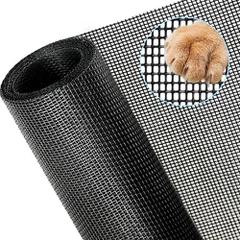
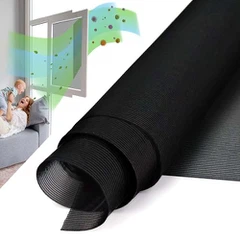
Hey there! As a supplier of solar polyester screens, I often get asked about how these screens handle extreme temperatures. Well, let's dive right into it and explore this topic in detail.
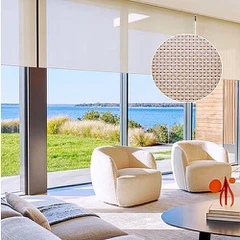
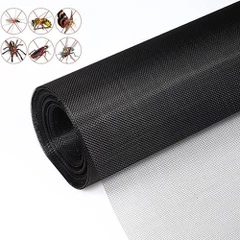
First off, let's understand what solar polyester screens are. They're basically screens made from polyester material that are designed to block sunlight and heat. These screens are super popular for both residential and commercial use, like in Shading Net For Blinds, Screen Fabric Roller Blinds, and Sunscreen Blind Fabric. They help keep the interiors cool by reducing the amount of solar radiation that enters a building.
Now, let's talk about how they deal with high temperatures. Polyester is a synthetic fiber that has some pretty awesome properties when it comes to heat resistance. One of the key features is its high melting point. Most polyester materials used in solar screens can withstand temperatures up to around 250 - 300 degrees Celsius (482 - 572 degrees Fahrenheit) before they start to melt.
In normal, real - world situations, the outside temperature rarely reaches anywhere near these levels. Even on the hottest summer days, when the sun is blazing and the temperature soars, the surface of the solar polyester screen might get warm, but it's nowhere close to its melting point.
When exposed to high temperatures, polyester doesn't easily deform. It maintains its shape and structure, which is crucial for the effectiveness of the screen. For example, if a screen were to warp or sag due to heat, it wouldn't be able to block sunlight as efficiently. The tight weave of the polyester fabric remains intact, continuing to filter out harmful UV rays and reduce glare.
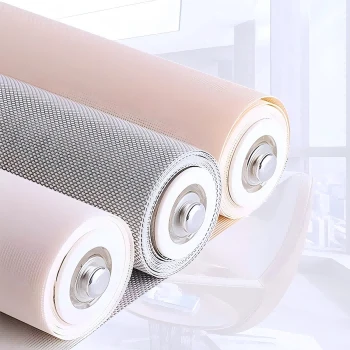
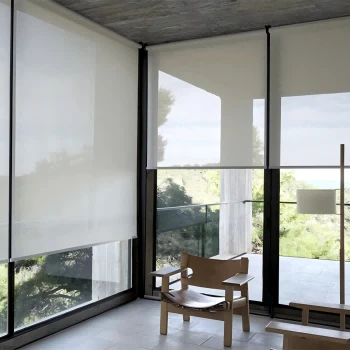
Another important aspect is that polyester has low thermal conductivity. This means that it doesn't transfer heat very well. So, when the sun beats down on the screen, the heat doesn't quickly pass through to the other side. Instead, a lot of the heat is reflected or absorbed by the screen itself. This helps in keeping the indoor environment cooler, reducing the need for excessive air - conditioning and saving on energy costs.
But what about cold temperatures? Polyester is also quite resilient in cold weather. It doesn't become brittle easily like some other materials. Even in freezing temperatures, the screen remains flexible. This is great because it means the screen won't crack or break when it's cold outside.
In areas with harsh winters, where the temperature can drop well below freezing, the solar polyester screen will still function as intended. It will continue to block wind and some of the cold air from entering the building, providing an extra layer of insulation. The flexibility of the polyester fabric also allows it to expand and contract slightly with temperature changes without getting damaged.
However, it's not all smooth sailing. There are some limitations. In extremely long - term exposure to very high temperatures, there can be some degradation of the polyester over time. The color might start to fade, and the fabric could become a bit weaker. But this usually takes years of continuous exposure to extreme heat.
To mitigate these potential issues, many solar polyester screens are treated with special coatings. These coatings can enhance the screen's resistance to heat, UV rays, and other environmental factors. For example, some coatings can make the screen more reflective, increasing its ability to bounce off sunlight and heat.
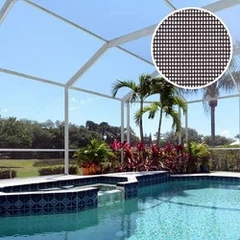
Now, let's talk about how different weaves of the polyester screen can affect its performance in extreme temperatures. A tighter weave generally offers better protection in both hot and cold weather. In hot weather, a tight weave blocks more sunlight and heat, while in cold weather, it provides better insulation by reducing air flow.
On the other hand, a looser weave might be more breathable, which can be beneficial in some situations. But it might not be as effective in blocking heat or cold. So, when choosing a solar polyester screen, you need to consider the climate in your area and your specific needs.
In addition to temperature resistance, the durability of the solar polyester screen also depends on how well it's installed. A properly installed screen will be more stable and better able to handle temperature fluctuations. It should be securely attached to the window or the frame, with no loose ends or gaps that could allow heat or cold to seep through.
Overall, solar polyester screens are a great choice for dealing with extreme temperatures. They offer a combination of heat and cold resistance, along with other benefits like UV protection and energy savings. Whether you're in a scorching desert climate or a frigid winter region, these screens can help make your indoor space more comfortable.
If you're in the market for high - quality solar polyester screens that can handle extreme temperatures, look no further. We're here to provide you with the best products tailored to your specific needs. Whether you need Shading Net For Blinds, Screen Fabric Roller Blinds, or Sunscreen Blind Fabric, we've got you covered. Contact us to start a discussion about your requirements and let's work together to find the perfect solution for your home or business.
References
- Textile Institute. "Properties of Polyester Fibers." Journal of Textile Science.
- National Renewable Energy Laboratory. "Solar Screens and Energy Efficiency." Research Report.