


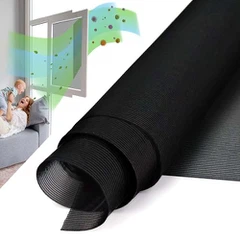
As a seasoned supplier of Plisse fly screens, I've witnessed firsthand the importance of proper maintenance to ensure these practical and aesthetically pleasing home fixtures function smoothly for years. One crucial aspect of this maintenance is lubricating the moving parts of a Plisse fly screen. In this blog post, I'll share comprehensive insights on how to lubricate these components effectively, drawing from my industry experience and in - depth knowledge.
Why Lubrication is Necessary
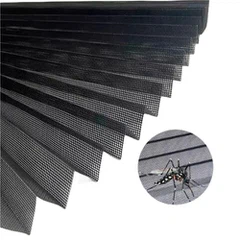
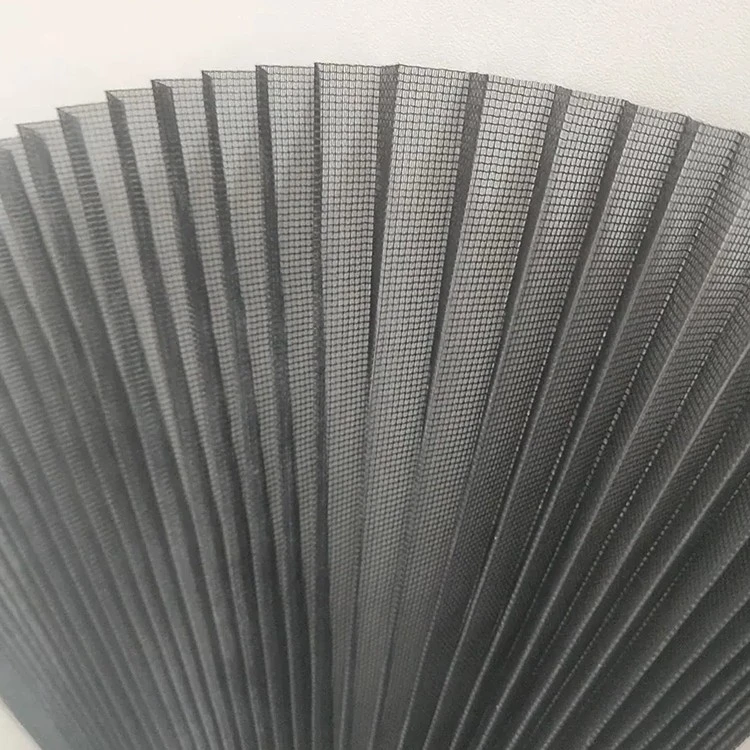
Plisse fly screens, such as Pleat Mesh, Plisse Window&door Screen, and Plisse Retractable Screen, are designed with various moving parts. These parts, including tracks, rollers, and pulleys, are constantly in motion when you open or close the screen. Over time, friction can cause wear and tear, leading to issues like stiffness, difficulty in operation, and even premature failure of the screen.
Lubrication reduces friction between these moving parts. By creating a thin film between surfaces, it allows for smoother movement, minimizes noise, and extends the lifespan of the Plisse fly screen. Moreover, a well - lubricated screen is more energy - efficient as it requires less force to operate, enhancing the overall user experience.
Choosing the Right Lubricant
Selecting the appropriate lubricant is the first step in the lubrication process. Here are some factors to consider:
Type of Lubricant
- Silicone - based lubricants: These are excellent choices for Plisse fly screens. Silicone lubricants are non - sticky, water - resistant, and do not attract dust or dirt. They are ideal for use on plastic and metal parts commonly found in Plisse fly screens. They also provide long - lasting lubrication, reducing the frequency of re - application.
- Dry graphite lubricants: Graphite is a solid lubricant that works well in high - friction areas. It is suitable for tracks and rollers, especially in areas where a wet lubricant might not be practical. Dry graphite lubricants are clean and do not leave an oily residue.
Compatibility
Ensure that the lubricant you choose is compatible with the materials of your Plisse fly screen. Some lubricants may cause damage to certain plastics or rubbers. Always check the manufacturer's recommendations or test the lubricant on a small, inconspicuous area first.
Tools You'll Need
Before you start lubricating, gather the following tools:
- Cleaning cloth: To wipe down the moving parts before lubrication.
- Applicator: This can be a small brush, a spray nozzle, or a lubricant pen, depending on the type of lubricant you are using.
- Safety goggles and gloves: To protect your eyes and hands during the lubrication process.
Preparing the Plisse Fly Screen for Lubrication
Proper preparation is essential for effective lubrication. Follow these steps:
Cleaning
- Remove debris: Use a soft brush or a vacuum cleaner with a brush attachment to remove any dirt, dust, or debris from the tracks, rollers, and other moving parts of the Plisse fly screen. Pay special attention to the corners and crevices where dirt tends to accumulate.
- Wipe down: Dampen a cleaning cloth with a mild detergent solution and wipe the moving parts to remove any stubborn dirt or grime. Rinse the cloth and wipe the parts again with clean water to remove any soap residue. Allow the parts to dry completely before lubrication.
Inspect for Damage
While cleaning, inspect the moving parts for any signs of damage, such as cracks, breaks, or excessive wear. If you notice any damage, it is advisable to repair or replace the damaged parts before lubrication. Continuing to use a damaged screen can lead to further problems and may void the warranty.
Lubricating the Moving Parts
Now that the Plisse fly screen is clean and ready, it's time to apply the lubricant. Here's how to lubricate different moving parts:
Tracks
- Silicone - based lubricant: If you are using a silicone - based lubricant in a spray form, hold the can about 6 - 8 inches away from the track and spray a thin, even layer along the entire length of the track. Use a clean cloth to spread the lubricant evenly and remove any excess. If you are using a lubricant pen, apply the lubricant directly to the track, following the manufacturer's instructions.
- Dry graphite lubricant: For dry graphite lubricants, use a small brush to apply the graphite powder to the track. Make sure to cover the entire surface of the track, especially the areas where the rollers move.
Rollers
- Silicone - based lubricant: Apply a small amount of silicone lubricant to the rollers. You can use a small brush or a lubricant pen to apply the lubricant directly to the roller surface. Rotate the rollers to distribute the lubricant evenly.
- Dry graphite lubricant: Sprinkle a small amount of dry graphite powder on the rollers and use a brush to work it into the surface. Rotate the rollers to ensure the graphite is evenly distributed.
Pulleys and Other Moving Components
- Silicone - based lubricant: Apply a small amount of silicone lubricant to the pulleys and other moving components. Use a small brush to reach the hard - to - reach areas. Make sure to lubricate the axles and bearings of the pulleys.
- Dry graphite lubricant: If using dry graphite, apply it to the pulleys and moving components in the same way as you did for the rollers.
Post - Lubrication Steps
After lubricating the moving parts, it's important to take the following steps:

Test the Screen
Open and close the Plisse fly screen several times to ensure that the lubrication has been effective. The screen should move smoothly and quietly. If you notice any stiffness or noise, check if the lubricant has been applied evenly and re - apply if necessary.
Wipe off Excess Lubricant
Use a clean cloth to wipe off any excess lubricant from the moving parts. Excess lubricant can attract dust and dirt, which may defeat the purpose of lubrication.
Frequency of Lubrication
The frequency of lubrication depends on several factors, such as the usage of the Plisse fly screen, the environment, and the type of lubricant used. As a general rule, it is recommended to lubricate the moving parts of a Plisse fly screen at least once a year. However, if the screen is used frequently or is exposed to harsh environmental conditions, more frequent lubrication may be required.
Troubleshooting
If you encounter problems after lubrication, here are some common issues and solutions:
Stiffness
- Cause: Insufficient lubrication, debris in the tracks, or damaged parts.
- Solution: Re - apply the lubricant, clean the tracks again, or inspect and replace any damaged parts.
Noise
- Cause: Uneven lubrication, loose parts, or worn - out components.
- Solution: Ensure that the lubricant is applied evenly, tighten any loose parts, or replace worn - out components.
In conclusion, lubricating the moving parts of a Plisse fly screen is a simple yet essential maintenance task that can significantly enhance the performance and longevity of your screen. By following the steps outlined in this blog post, you can ensure that your Plisse fly screen operates smoothly and efficiently for years to come.
If you are interested in purchasing high - quality Plisse fly screens or have any questions about maintenance, please feel free to contact us for a detailed discussion. We are committed to providing you with the best products and services to meet your needs.
References
- Manufacturer's guidelines for Plisse fly screens
- Industry best practices for screen maintenance