


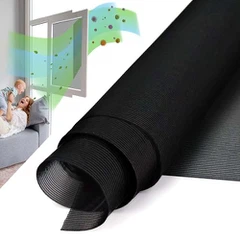
Fiberglass insect mesh is a popular choice for homeowners and businesses alike due to its durability, affordability, and effectiveness in keeping insects out. As a supplier of high-quality fiberglass insect mesh, I often get asked whether this type of mesh requires special maintenance. In this blog post, I'll delve into this question and provide you with all the information you need to keep your fiberglass insect mesh in top condition.
Understanding Fiberglass Insect Mesh
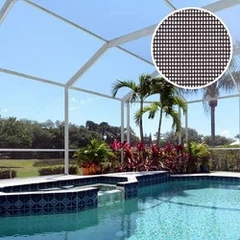
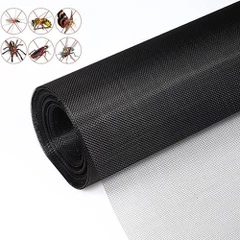
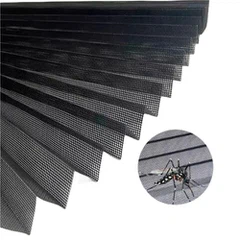
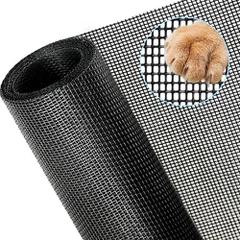
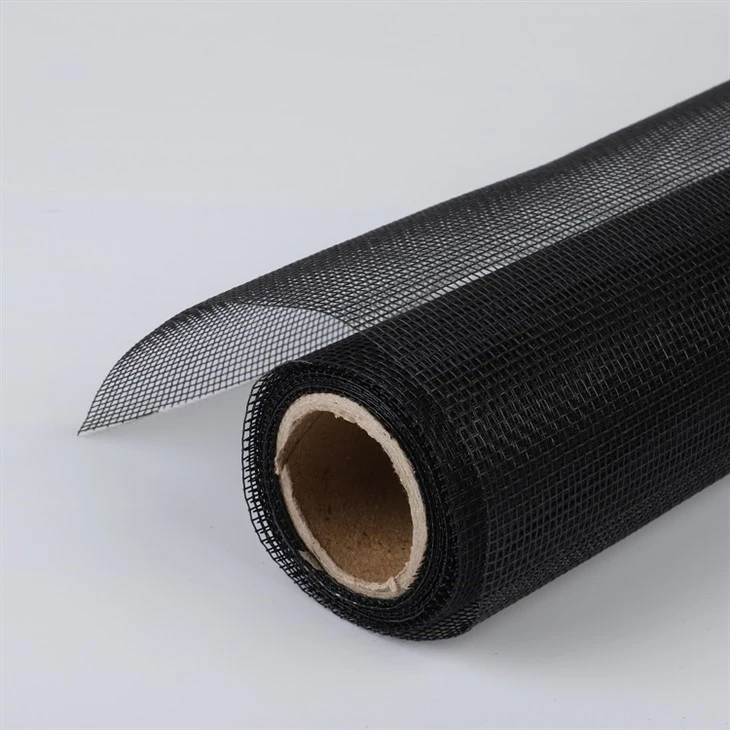
Before we discuss maintenance, let's briefly understand what fiberglass insect mesh is. Fiberglass insect mesh is made from fine strands of fiberglass that are woven together to form a screen. This mesh is typically coated with a PVC layer, which enhances its strength, durability, and resistance to UV rays. It comes in various sizes and mesh counts, allowing you to choose the one that best suits your needs. Whether you need it for a Patio Door Fiberglass Mesh Screen or a Fiberglass Pool Screen, fiberglass insect mesh is a versatile solution.
General Maintenance Requirements
The good news is that fiberglass insect mesh generally does not require special maintenance. Its design and construction make it relatively low - maintenance compared to other types of insect screens. However, regular upkeep can significantly extend its lifespan and keep it looking and performing its best.
Regular Cleaning
One of the most important maintenance tasks for fiberglass insect mesh is regular cleaning. Over time, dust, dirt, pollen, and other debris can accumulate on the mesh, which not only affects its appearance but can also reduce its effectiveness in keeping insects out. To clean the mesh, you can follow these simple steps:
- Remove the Screen: If possible, remove the fiberglass insect mesh from its frame. This will make the cleaning process easier and more thorough.
- Vacuum the Mesh: Use a soft - brush attachment on your vacuum cleaner to gently remove loose dirt and debris from both sides of the mesh. Be careful not to press too hard, as this could damage the delicate fiberglass strands.
- Prepare a Cleaning Solution: Fill a bucket with warm water and add a mild detergent. Avoid using harsh chemicals or abrasive cleaners, as these can damage the PVC coating on the mesh.
- Clean the Mesh: Dip a soft sponge or cloth into the cleaning solution and gently wipe the mesh in a circular motion. Pay special attention to areas with stubborn stains or dirt.
- Rinse the Mesh: Once you've cleaned the entire mesh, rinse it thoroughly with clean water to remove any soap residue.
- Dry the Mesh: Allow the mesh to air - dry completely before reinstalling it. Make sure it is completely dry to prevent mold and mildew growth.
Inspection
Regular inspection is another crucial aspect of maintaining fiberglass insect mesh. Inspect the mesh for any signs of damage, such as holes, tears, or loose strands. Even small holes can allow insects to enter, so it's important to address any issues as soon as possible. If you notice a small hole or tear, you can often repair it using a patch kit specifically designed for fiberglass mesh. For larger damages, it may be necessary to replace the entire mesh.
Factors Affecting Maintenance
While fiberglass insect mesh is generally low - maintenance, several factors can affect how often it needs to be maintained and the level of care it requires.
Location
The location of the fiberglass insect mesh plays a significant role in its maintenance needs. If the mesh is installed in an area with high levels of dust, pollen, or pollution, it will likely need to be cleaned more frequently. For example, if your home is near a busy road or a construction site, the mesh may accumulate dirt and debris more quickly. On the other hand, if the mesh is installed in a relatively clean and sheltered area, it may require less frequent cleaning.
Exposure to the Elements
Exposure to sunlight, rain, wind, and extreme temperatures can also affect the lifespan and maintenance requirements of fiberglass insect mesh. UV rays can cause the PVC coating on the mesh to degrade over time, making it more brittle and prone to damage. Prolonged exposure to rain and high humidity can lead to mold and mildew growth on the mesh. To protect the mesh from the elements, consider installing it in a shaded area or using a protective cover.
Type of Insects
The type of insects in your area can also impact the maintenance of the fiberglass insect mesh. Some insects, such as bees and wasps, may try to build nests on the mesh, which can cause blockages and damage. If you notice any signs of insect activity on the mesh, such as nests or webs, remove them promptly to prevent further damage.
Comparing with Other Types of Mesh
When considering maintenance, it's useful to compare fiberglass insect mesh with other types of insect screens, such as Heavy Duty Polyester Mesh. Polyester mesh is known for its strength and durability, but it may require more maintenance in some aspects. For example, polyester mesh can be more prone to static buildup, which attracts dust and dirt. This may require more frequent cleaning compared to fiberglass mesh. Additionally, polyester mesh may be more susceptible to damage from sharp objects, so extra care needs to be taken during handling and installation.
Tips for Long - Term Maintenance
Here are some additional tips to ensure the long - term maintenance of your fiberglass insect mesh:
- Avoid Abrasive Contact: When cleaning or handling the mesh, avoid using abrasive materials or sharp objects that could scratch or tear the mesh.
- Proper Installation: Ensure that the fiberglass insect mesh is installed correctly. Improper installation can lead to stress on the mesh, which can cause it to tear or become loose over time.
- Use a Protective Coating: Some manufacturers offer optional protective coatings for fiberglass insect mesh. These coatings can provide additional protection against UV rays, dirt, and stains, reducing the need for frequent cleaning.
Conclusion
In conclusion, fiberglass insect mesh does not require special maintenance, but regular cleaning and inspection are essential to keep it in good condition. By following the simple maintenance steps outlined in this blog post, you can ensure that your fiberglass insect mesh lasts for many years and continues to provide effective protection against insects.
If you're interested in purchasing high - quality fiberglass insect mesh for your home or business, we'd love to hear from you. Whether you need a Patio Door Fiberglass Mesh Screen, a Fiberglass Pool Screen, or any other type of insect mesh, we have a wide range of options to meet your needs. Contact us today to start a procurement discussion and find the perfect solution for you.
References
- "Insect Screen Materials and Their Properties" - Journal of Building and Construction Materials
- "Maintenance Guide for Fiberglass Products" - Fiberglass Manufacturers Association