


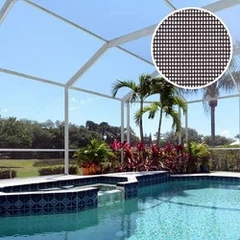
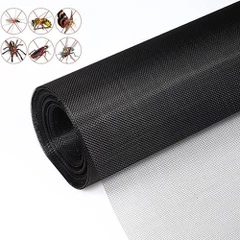
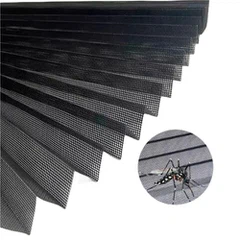
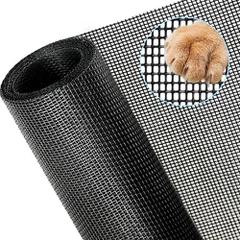
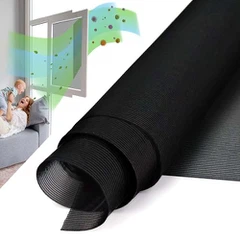
Hey there! If you're looking to install polyester shading mesh, you've come to the right place. I'm a supplier of top - notch polyester shading mesh, and I'm gonna walk you through the whole installation process step by step.
Why Choose Polyester Shading Mesh?
Before we dive into the installation, let's talk a bit about why polyester shading mesh is a great choice. First off, it's super durable. Polyester can withstand all sorts of weather conditions, whether it's scorching heat, heavy rain, or strong winds. It doesn't rot easily and has a long lifespan, which means you won't have to replace it anytime soon.
Secondly, it's highly effective at blocking sunlight. If you're using it for your outdoor patio, garden, or even in a commercial setting like a greenhouse, it can significantly reduce the amount of direct sunlight, keeping the area cooler. And the best part? It still allows some light to filter through, so you don't end up in complete darkness.
Tools and Materials You'll Need
To get started with the installation, you'll need a few tools and materials. Here's a quick list:
- Polyester shading mesh: Of course, you'll need the mesh itself. Make sure to measure the area where you want to install it accurately. You can check out our Fiberglass and Polyester Optional Sunshade Blinds Fibric for some great options.
- Measuring tape: This is crucial for getting the right dimensions.
- Scissors or a utility knife: To cut the mesh to the correct size.
- Staple gun or cable ties: Depending on how you're going to attach the mesh.
- Screwdriver: If you're using screws to attach any support structures.
- Eyelets and ropes (optional): If you want to hang the mesh in a more flexible way.
Step 1: Measure the Area
The first step is to measure the area where you want to install the polyester shading mesh. This could be a window, a patio, or a greenhouse. Use a measuring tape to get the length and width. It's always a good idea to add a few extra inches to your measurements to ensure you have enough mesh to work with.
For example, if you're covering a window that's 36 inches wide and 48 inches tall, you might want to cut the mesh to about 38 inches wide and 50 inches tall. This extra margin will make it easier to attach the mesh and ensure a proper fit.
Step 2: Cut the Mesh
Once you have your measurements, it's time to cut the mesh. Lay the mesh out on a flat surface and use scissors or a utility knife to cut it to the correct size. Be careful when using the knife, and make sure to cut in a straight line.


If you're not confident in your cutting skills, you can also ask us to cut the mesh to your specified dimensions when you place your order. We're more than happy to help!
Step 3: Prepare the Mounting Surface
Before you attach the mesh, you need to prepare the mounting surface. If you're installing it on a window, clean the window frame thoroughly to remove any dirt or debris. If it's for an outdoor structure like a patio or a greenhouse, make sure the support beams or frames are in good condition.
If you're using a staple gun, make sure the surface is suitable for stapling. If not, you might need to use screws or cable ties instead.
Step 4: Attach the Mesh
Now comes the actual installation part. There are a few different ways to attach the polyester shading mesh, and the method you choose will depend on your specific situation.
Using a Staple Gun
If you're using a staple gun, start at one corner of the mesh and staple it to the mounting surface. Make sure the mesh is taut as you staple. Work your way around the perimeter, placing staples about 6 - 8 inches apart. If the mesh starts to sag, pull it tight and add more staples.
Using Cable Ties
If you're using cable ties, you'll need to drill small holes in the mounting surface at regular intervals. Thread the cable ties through the holes in the mesh and then through the holes in the mounting surface. Pull the cable ties tight and cut off the excess.
Using Eyelets and Ropes
If you're hanging the mesh, you can attach eyelets to the corners and edges of the mesh. Then, use ropes to tie the mesh to the support structures. This method gives you more flexibility and makes it easier to remove the mesh if needed.
Step 5: Check for Tightness and Adjust
Once you've attached the mesh, check to make sure it's tight and secure. Walk around the area and look for any loose spots or sagging areas. If you find any, adjust the staples, cable ties, or ropes as needed to make the mesh taut.
You might also want to check the alignment of the mesh. If it's not straight, you can gently pull it into place and make any necessary adjustments.
Step 6: Maintenance Tips
After you've installed the polyester shading mesh, it's important to take good care of it to ensure its longevity. Here are a few maintenance tips:
- Regularly clean the mesh with a mild detergent and water. This will remove any dirt, dust, or debris that might accumulate over time.
- Check for any signs of damage, such as tears or holes. If you find any, you can patch them up with a small piece of the same mesh and some adhesive.
- During extreme weather conditions, like heavy storms or strong winds, you might want to consider removing the mesh temporarily to prevent damage.
Conclusion
Installing polyester shading mesh isn't as difficult as it might seem. With the right tools, materials, and a bit of patience, you can have it up and running in no time. Whether you're looking to cool down your home, protect your plants in a greenhouse, or create a more comfortable outdoor space, polyester shading mesh is a great solution.
If you're interested in purchasing polyester shading mesh or have any questions about the installation process, don't hesitate to reach out. We're here to help you make the best choice for your needs. You can also check out our other products like Window Sunscreen and Shading Net for Blinds.
Let's start a conversation about your shading needs and see how we can work together to find the perfect solution.
References
- General knowledge about polyester shading mesh installation from industry experience.
- Manufacturer's guidelines for handling and installing polyester shading products.