

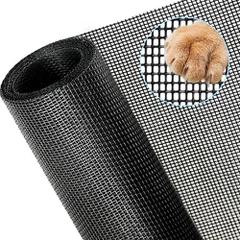
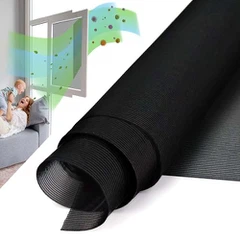
As a supplier of fiberglass pool screens, I often get asked about the energy - efficiency of these products. Fiberglass pool screens have become increasingly popular in recent years, not only for their aesthetic appeal and ability to keep out insects but also for their potential impact on energy consumption. In this blog post, I will explore whether fiberglass pool screens are truly energy - efficient and how they can benefit your home.
How Fiberglass Pool Screens Work
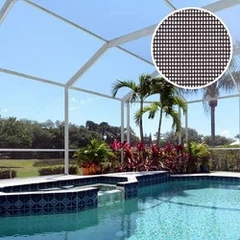
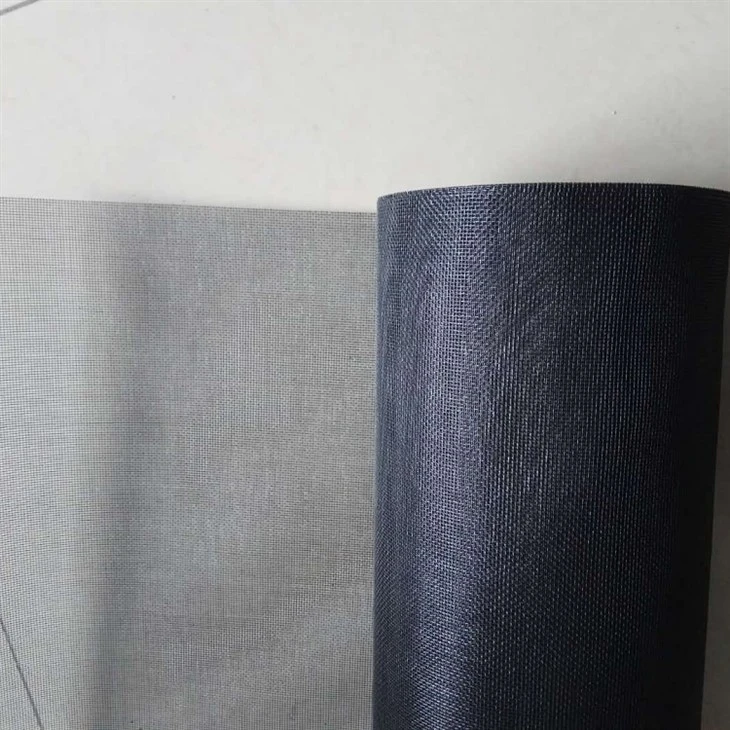
Fiberglass pool screens are made from a fine mesh of fiberglass strands. This mesh is typically installed around a pool area, creating an enclosed space. The primary function of these screens is to keep out insects such as mosquitoes, flies, and other pests, allowing you to enjoy your pool without being bothered.
But beyond pest control, the mesh also plays a role in the micro - climate within the screened area. When sunlight hits the pool, it heats the water. Without a screen, the heat can radiate out into the surrounding environment quickly. The fiberglass screen acts as a barrier, reducing the rate at which heat is lost from the pool area.
Insulation Properties
One of the key factors in determining energy - efficiency is insulation. Fiberglass is known for its insulating properties. In the context of pool screens, this insulation can have a significant impact on energy consumption.
During the day, the fiberglass screen helps to trap some of the solar heat within the screened area. This means that the pool water stays warmer for longer, reducing the need for additional heating. If you have a pool heater, it won't have to work as hard to maintain the desired water temperature. This translates into lower energy bills over time.
In addition, the screen can also act as a buffer against the wind. Wind can cause rapid evaporation of pool water, which in turn leads to heat loss. By reducing the wind speed within the screened area, the fiberglass pool screen minimizes evaporation and helps to retain heat.
Reduction of Solar Radiation
Another aspect of energy - efficiency is the reduction of solar radiation. While the sun is essential for heating the pool, too much direct sunlight can also cause problems. Excessive solar radiation can lead to over - heating of the pool water, which may require additional energy to cool it down.
Fiberglass pool screens can filter out a portion of the solar radiation. The mesh allows some sunlight to pass through, but it also diffuses the light, reducing the intensity of the rays that reach the pool. This helps to maintain a more stable water temperature and reduces the energy needed for cooling systems, such as pool chillers.
Impact on Air Conditioning
The energy - efficiency of fiberglass pool screens is not limited to the pool itself. The screened area around the pool can also have an impact on the overall energy consumption of your home, particularly in terms of air conditioning.
During hot summer days, the heat from the pool can radiate into the surrounding areas, including your home. If your home is adjacent to the pool, this additional heat can increase the load on your air conditioning system. However, the fiberglass pool screen acts as a thermal barrier, reducing the amount of heat that transfers from the pool area to your home. As a result, your air conditioner doesn't have to work as hard to maintain a cool indoor temperature, leading to energy savings.
Types of Fiberglass Pool Screens and Their Energy - Efficiency
There are different types of fiberglass pool screens available on the market, and each type may have slightly different energy - efficiency characteristics.
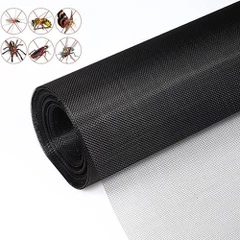
Fiberglass Mosquito Net Roll
The Fiberglass Mosquito Net Roll is a popular option. It is easy to install and can be customized to fit the size of your pool area. This type of screen provides good insulation and can effectively reduce insect entry. The fine mesh structure helps to trap heat and filter solar radiation, contributing to energy savings.
Fiberglass Mosquito Net On Aluminium Frame
The Fiberglass Mosquito Net On Aluminium Frame offers a more rigid and durable solution. The aluminium frame provides stability, and the fiberglass mesh retains its energy - efficient properties. This type of screen is suitable for larger pool areas and can withstand harsh weather conditions. The frame also helps to keep the screen taut, ensuring consistent insulation and protection against insects.
Patio Door Fiberglass Mesh Screen
The Patio Door Fiberglass Mesh Screen is often used in conjunction with pool enclosures. It can be installed on patio doors leading to the pool area, providing an additional layer of insulation and pest control. This type of screen helps to seal off the pool area from the rest of the home, further reducing heat transfer and energy consumption.
Real - World Energy Savings
To understand the real - world impact of fiberglass pool screens on energy consumption, let's look at some examples. A study conducted by a research institute found that homeowners with fiberglass pool screens reduced their pool heating costs by up to 20% during the swimming season. The reduction in evaporation also led to a decrease in water usage, which is an added bonus.
In terms of air conditioning, homes with well - installed fiberglass pool screens saw a 10 - 15% reduction in energy consumption during the summer months. These savings may seem small at first, but over time, they can add up to significant cost savings.
Factors Affecting Energy - Efficiency
While fiberglass pool screens are generally energy - efficient, there are several factors that can affect their performance.
The quality of the fiberglass mesh is crucial. Higher - quality meshes are more durable and have better insulation properties. The installation of the screen also matters. A poorly installed screen may have gaps or loose areas, which can reduce its effectiveness in trapping heat and blocking insects.
The size and orientation of the pool area also play a role. A larger pool area may require a more substantial screen system to achieve optimal energy - efficiency. Additionally, the orientation of the pool towards the sun can affect how much solar radiation the screen needs to filter.
Conclusion
In conclusion, fiberglass pool screens are indeed energy - efficient. They offer insulation, reduce solar radiation, and minimize heat transfer, all of which contribute to lower energy consumption and cost savings. Whether you are looking to keep your pool water at a comfortable temperature or reduce the load on your home's air conditioning system, fiberglass pool screens are a great investment.
If you are interested in learning more about our fiberglass pool screens or would like to discuss a potential purchase, please feel free to reach out. We are more than happy to answer any questions you may have and help you choose the right product for your needs.
References

- "Energy Efficiency of Pool Enclosures" - Research Institute Study
- "The Impact of Fiberglass Screens on Home Energy Consumption" - Journal of Sustainable Home Design