


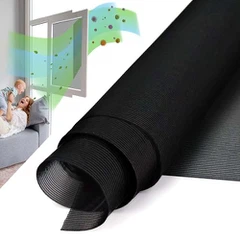
Hey there! As a supplier of folding screen mesh, I've seen firsthand how important it is to ensure you're getting high - quality products. In this blog, I'll share some tips on how to check the quality of a folding screen mesh.
1. Material Inspection
The first step in evaluating the quality of a folding screen mesh is to look at the material it's made from. There are different materials available in the market, each with its own pros and cons.
Fiberglass Mesh
Fiberglass is a popular choice for folding screen meshes. It's lightweight, resistant to rust, and offers good visibility. To check the quality of fiberglass mesh, you can do a simple touch test. Run your hand over the mesh. A high - quality fiberglass mesh should feel smooth, without any rough edges or protruding fibers. If you notice any sharp or jagged parts, it could be a sign of poor manufacturing.
Another thing to look for is the color consistency. A good fiberglass mesh will have a uniform color throughout. Any discoloration or uneven coloring might indicate that the mesh has been exposed to harsh chemicals or has some manufacturing defects. You can learn more about Folding Fly Screen Mesh which often uses fiberglass materials.
Aluminum Mesh
Aluminum mesh is known for its durability and strength. When checking an aluminum folding screen mesh, start by examining the thickness of the wires. Thicker wires generally mean a stronger and more durable mesh. You can use a caliper to measure the wire thickness accurately.


Also, check for signs of corrosion. Even though aluminum is resistant to rust, it can still corrode in certain environments. Look for any white or brown spots on the mesh, which could be a sign of corrosion. A high - quality aluminum mesh should have a smooth, shiny finish, indicating that it has been properly treated and coated.
2. Weave Pattern
The weave pattern of the folding screen mesh plays a crucial role in its functionality and durability.
Tightness of the Weave
A tight weave is essential for keeping out insects and debris. To check the tightness, try to push a small object, like a toothpick, through the mesh. If the toothpick easily passes through, the weave is too loose, and the mesh may not be effective at keeping bugs out. A good quality folding screen mesh should have a tight enough weave to prevent even the smallest insects from getting through.
Uniformity of the Weave
The weave should be uniform across the entire mesh. Look for any areas where the wires seem to be more spaced out or where the pattern is disrupted. An uneven weave can weaken the mesh and make it more prone to tearing. When you're considering a Folding Screen Mesh, pay close attention to the weave pattern to ensure its quality.
3. Frame Quality
The frame of the folding screen mesh is just as important as the mesh itself.
Material of the Frame
Frames can be made from different materials such as plastic, wood, or metal. Plastic frames are lightweight and inexpensive, but they may not be as durable as metal or wood frames. Wood frames offer a natural look but may require more maintenance to prevent rot and warping. Metal frames, such as aluminum or steel, are strong and long - lasting.
Check the frame material for any signs of damage. For plastic frames, look for cracks or brittleness. Wood frames should be free from rot, termite damage, or warping. Metal frames should not have any dents or rust spots.
Construction of the Frame
The frame should be well - constructed and sturdy. Check the joints of the frame. They should be tightly connected, without any gaps or looseness. You can try gently shaking the folding screen to see if there is any rattling or movement at the joints. A high - quality frame will provide good support for the mesh and ensure that the folding screen functions properly. This is especially important for Folding Retractable Screen which rely on a well - built frame for smooth operation.
4. Testing the Folding Mechanism
Since it's a folding screen mesh, the folding mechanism is a key aspect of its quality.
Smoothness of Folding
Open and close the folding screen several times. It should fold and unfold smoothly, without any sticking or jamming. If you feel any resistance or hear any grinding noises, it could indicate a problem with the folding mechanism. This might be due to misaligned parts or poor lubrication.
Durability of the Folding Mechanism
A good folding screen mesh should be able to withstand repeated folding and unfolding without breaking. You can simulate a few hundred folds to test its durability. If the folding mechanism starts to show signs of wear and tear after just a few folds, it's likely a low - quality product.
5. Resistance to Environmental Factors
Folding screen meshes are often exposed to various environmental conditions, so they need to be resistant to these factors.
UV Resistance
If the folding screen will be placed outdoors, UV resistance is crucial. UV rays can cause the mesh to fade, become brittle, and eventually break down. To test the UV resistance, you can expose a small sample of the mesh to direct sunlight for a few weeks. A high - quality mesh should not show significant signs of fading or deterioration.
Water Resistance
For areas prone to rain or high humidity, water resistance is important. Check if the mesh repels water or if it absorbs it. A water - resistant mesh will dry quickly and won't develop mold or mildew easily. You can pour a small amount of water on the mesh and observe how it behaves.
6. Edge Finishing
The edge finishing of the folding screen mesh can affect its overall quality and lifespan.
Sealed Edges
The edges of the mesh should be properly sealed to prevent fraying. Look for a clean, smooth edge finish. If the edges are ragged or the wires are coming loose, it's a sign of poor edge finishing. Sealed edges also help to keep the mesh in place within the frame.
Protective Coating
Some folding screen meshes have a protective coating on the edges. This coating can provide additional protection against wear and tear, as well as environmental factors. Check if the coating is evenly applied and if it shows any signs of peeling or chipping.
In conclusion, checking the quality of a folding screen mesh involves a comprehensive inspection of the material, weave pattern, frame, folding mechanism, resistance to environmental factors, and edge finishing. By following these tips, you can ensure that you're getting a high - quality product that will serve you well for years to come.
If you're interested in purchasing high - quality folding screen meshes, I'd love to have a chat with you. We offer a wide range of products to meet your needs. Whether you're looking for a Folding Fly Screen Mesh, Folding Screen Mesh, or Folding Retractable Screen, we've got you covered. Reach out to start a procurement discussion and find the perfect solution for your requirements.
References
- Industry standards for folding screen mesh manufacturing
- Product manuals and specifications from leading folding screen mesh manufacturers