


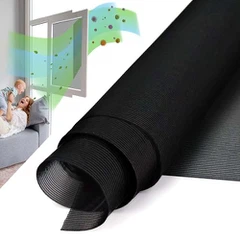
When it comes to the modern architectural and interior design landscape, sunscreen blind fabric has emerged as a popular solution for both residential and commercial spaces. As a supplier of high - quality sunscreen blind fabric, I often encounter questions from customers regarding the safety aspects of using this product. In this blog, I will delve into the potential safety concerns associated with sunscreen blind fabric and provide a comprehensive analysis.
Material Composition and Toxicity
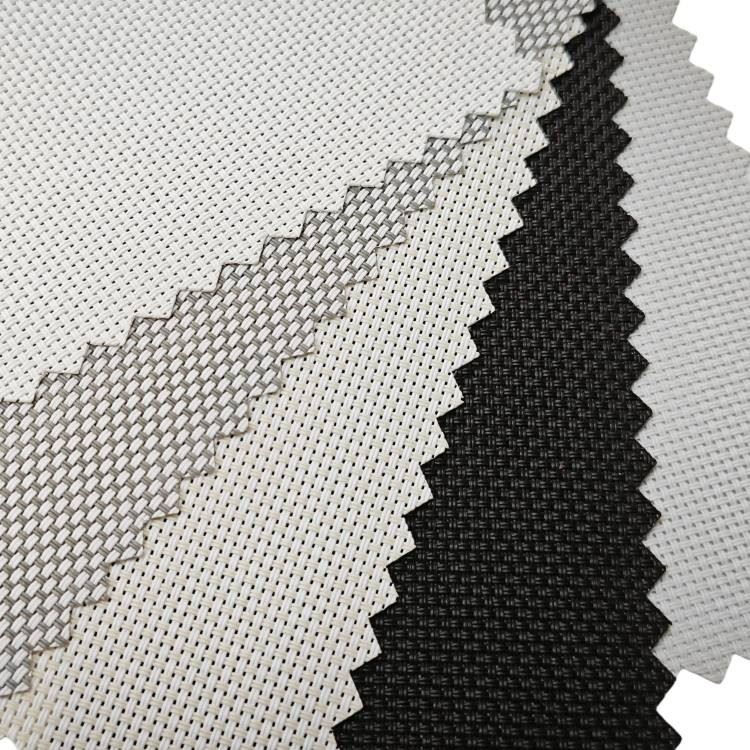
One of the primary safety concerns that customers raise is related to the materials used in sunscreen blind fabric. Our sunscreen blind fabric is typically made from a variety of materials, including polyester, fiberglass, and PVC - coated fabrics. These materials are chosen for their durability, light - blocking capabilities, and resistance to environmental factors.
Polyester is a widely used synthetic fiber in the production of sunscreen blind fabric. It is known for its strength, wrinkle - resistance, and colorfastness. From a safety perspective, polyester is generally considered non - toxic. It does not release harmful chemicals into the environment under normal conditions. However, during the manufacturing process, if improper chemicals are used in the dyeing or finishing stages, there could be potential risks. At our company, we ensure that all our polyester - based sunscreen blind fabrics are produced using eco - friendly dyes and finishes that comply with international safety standards, such as REACH (Registration, Evaluation, Authorization and Restriction of Chemicals) in the European Union.
Fiberglass is another material commonly used in sunscreen blind fabric, especially in applications where high - strength and fire - resistance are required. Fiberglass itself is an inorganic material and is non - combustible. However, the small glass fibers can be a potential health hazard if they become airborne and are inhaled. To mitigate this risk, our fiberglass - based sunscreen blind fabrics are treated with a special coating that encapsulates the fibers, preventing them from being released into the air.
PVC - coated fabrics are popular for their waterproof and UV - resistant properties. PVC (polyvinyl chloride) has been a subject of controversy due to the presence of phthalates, which are plasticizers used to make the material more flexible. Phthalates have been linked to various health issues, including hormonal disruptions. However, our PVC - coated sunscreen blind fabrics are made with phthalate - free formulations. We use alternative plasticizers that are safe for both human health and the environment.
Fire Safety
Fire safety is a crucial consideration when it comes to any building material, including sunscreen blind fabric. Our sunscreen blind fabrics are designed to meet strict fire - safety standards. Many of our products are treated with fire - retardant chemicals to reduce their flammability.
For example, our Exterior Sun Control Mesh is engineered to have a low fire spread rate. In case of a fire, it will not easily catch fire and will help to contain the spread of flames. This is particularly important for exterior applications, where the fabric is exposed to the elements and potential fire sources.
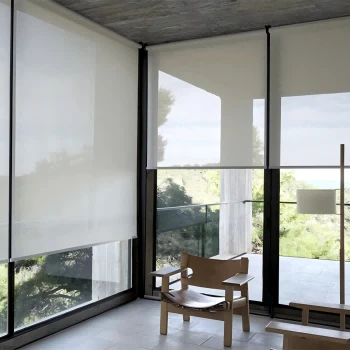
Our Customizable Openness Sunscreen 0 - 20% Fabric Sun - Shading Roller Blinds also undergo rigorous fire - safety testing. They are designed to self - extinguish within a short period of time when exposed to a flame, minimizing the risk of a large - scale fire in the building. This is essential for both residential and commercial spaces, where the safety of occupants is of utmost importance.
UV Protection and Skin Safety
One of the main functions of sunscreen blind fabric is to block harmful UV rays. Our fabrics are designed to have a high UV protection factor (UPF). A high UPF means that the fabric can block a large percentage of UV rays, protecting the skin from sunburn, premature aging, and skin cancer.
However, it is important to note that no sunscreen blind fabric can provide 100% protection. There may still be some UV rays that penetrate through the fabric, especially if the fabric has a higher openness factor. For example, our Screen Fabric Roller Blinds with a higher openness percentage may allow more UV rays to pass through compared to those with a lower openness. Customers should be aware of this and take additional precautions, such as using sunscreen on exposed skin, if they are in an area where the fabric is not providing sufficient UV protection.
Installation and Structural Safety
Proper installation is essential for the safety of sunscreen blind fabric. If the fabric is not installed correctly, it may pose a risk of falling or detachment. Our company provides detailed installation instructions and, in some cases, offers installation services to ensure that the fabric is installed securely.
During the installation process, it is important to use the appropriate hardware and mounting systems. The hardware should be able to withstand the weight of the fabric and any external forces, such as wind or rain. We recommend using high - quality stainless - steel or aluminum hardware that is corrosion - resistant and durable.
In addition, the structural integrity of the building where the sunscreen blind fabric is installed should be considered. The fabric should be installed in a way that does not compromise the structural stability of the building. For example, if the fabric is being installed on a balcony or a window, the mounting points should be able to support the load without causing any damage to the building structure.
Maintenance and Long - Term Safety
Regular maintenance is necessary to ensure the long - term safety of sunscreen blind fabric. Over time, the fabric may accumulate dirt, dust, and other contaminants, which can affect its performance and safety.
We recommend cleaning the fabric periodically using a mild detergent and water. Avoid using harsh chemicals or abrasive cleaners, as these can damage the fabric and its protective coatings. Inspect the fabric regularly for any signs of wear and tear, such as holes, fraying, or loose seams. If any damage is detected, it should be repaired or replaced immediately to prevent further deterioration.
Conclusion
In conclusion, while there are some potential safety concerns associated with using sunscreen blind fabric, these concerns can be effectively managed through proper material selection, manufacturing processes, installation, and maintenance. As a supplier, we are committed to providing high - quality sunscreen blind fabric that meets the highest safety standards.
If you are considering purchasing sunscreen blind fabric for your project, we encourage you to contact us for more information. Our team of experts can help you choose the right product based on your specific needs and ensure that it is installed and maintained safely. Whether you are looking for Exterior Sun Control Mesh, Customizable Openness Sunscreen 0 - 20% Fabric Sun - Shading Roller Blinds, or Screen Fabric Roller Blinds, we have the expertise and products to meet your requirements. Feel free to reach out to us to start a procurement discussion and find the perfect sunscreen blind fabric solution for your space.
References
- REACH Regulation (EC) No 1907/2006. European Union.
- International Fire Safety Standards. Various international organizations.
- UV Protection Factor (UPF) Standards. International standards bodies.