


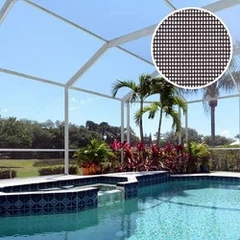
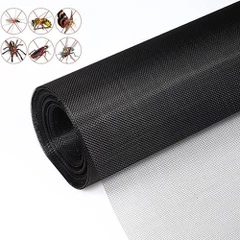
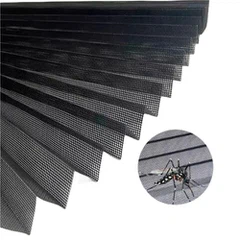
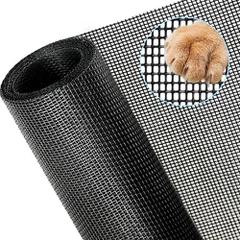
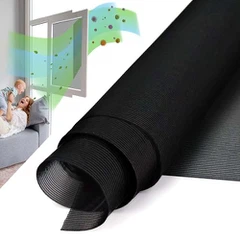
Pleat mesh, known for its unique folding design and practical applications, has become a popular choice in various industries, especially in the field of window and door screening. As a pleat mesh supplier, I often receive inquiries about the cost of pleat mesh. In this blog post, I will delve into the factors that influence the price of pleat mesh and provide a comprehensive overview of its cost.
Factors Affecting the Cost of Pleat Mesh
Material Quality
The quality of the material used to manufacture pleat mesh is a primary determinant of its cost. High - quality materials such as durable polyester, fiberglass, or stainless steel offer better resistance to wear, tear, and environmental factors. For instance, polyester pleat mesh is lightweight, affordable, and suitable for general screening purposes. However, if you need a mesh that can withstand harsh weather conditions or heavy use, fiberglass or stainless - steel pleat mesh would be a better choice. Fiberglass pleat mesh is known for its high strength and heat resistance, while stainless - steel pleat mesh offers excellent corrosion resistance. These high - quality materials usually come at a higher price due to their superior performance and longevity.
Mesh Density
Mesh density refers to the number of openings per square inch in the pleat mesh. A higher mesh density means smaller openings, which can provide better protection against insects and debris. However, manufacturing a pleat mesh with a high mesh density requires more precise production processes and may use more material, resulting in a higher cost. For example, a pleat mesh with a mesh density of 20x20 (20 openings per inch in both the warp and weft directions) may be less expensive than a 30x30 mesh density pleat mesh. The choice of mesh density depends on the specific application. If you are using the pleat mesh for a residential window screen, a medium - density mesh may be sufficient. But for commercial or industrial applications where a higher level of protection is required, a high - density mesh would be more appropriate.
Pleat Design and Size
The design and size of the pleats also play a role in determining the cost of pleat mesh. Complex pleat designs, such as those with irregular shapes or multiple folds, require more advanced manufacturing techniques and may take longer to produce. This increases the production cost and, consequently, the price of the pleat mesh. Additionally, larger pleat sizes may require more material, which can also lead to a higher cost. For example, a pleat mesh with large, deep pleats may be more expensive than one with small, shallow pleats.
Quantity Ordered
As with many products, the quantity of pleat mesh ordered has a significant impact on its cost. When you order a large quantity of pleat mesh, suppliers can often offer a lower unit price. This is because bulk orders allow for more efficient production processes, reduced setup costs, and better utilization of resources. For example, if you order a small roll of pleat mesh for a single - window installation, the unit price per square meter may be relatively high. But if you are a contractor or a large - scale project developer ordering pleat mesh for multiple buildings, you can negotiate a more favorable price based on the large volume.
Cost Range of Pleat Mesh
The cost of pleat mesh can vary widely depending on the factors mentioned above. Generally, the price of pleat mesh can range from a few dollars per square meter for basic, low - quality polyester pleat mesh to over twenty dollars per square meter for high - end stainless - steel pleat mesh with a high mesh density and complex pleat design.
For residential applications, a standard polyester pleat mesh with a medium mesh density (e.g., 18x16) may cost around $3 - $8 per square meter. This type of pleat mesh is commonly used for window and door screens in homes and provides adequate protection against insects.
If you are looking for a more durable option, fiberglass pleat mesh for residential use may cost between $5 - $12 per square meter. Fiberglass pleat mesh offers better strength and heat resistance compared to polyester, making it a popular choice for areas with high sunlight exposure or extreme temperatures.


For commercial and industrial applications, where higher performance and durability are required, stainless - steel pleat mesh can cost anywhere from $15 - $25 per square meter or more. Stainless - steel pleat mesh is often used in commercial buildings, factories, and agricultural facilities due to its excellent corrosion resistance and long service life.
Comparing Different Types of Pleat Mesh Products
When considering the cost of pleat mesh, it is also important to compare different types of pleat mesh products available in the market. For example, Folding Fly Screen Mesh is designed specifically to keep flies and other insects out. It usually has a fine mesh density and a convenient folding design, which makes it easy to install and use. The cost of folding fly screen mesh may be slightly higher than regular pleat mesh due to its specialized design.
Plisse Window&door Screen is another popular type of pleat mesh product. It is often used for both residential and commercial window and door applications. Plisse window and door screens are known for their smooth operation and aesthetic appeal. The cost of plisse window and door screens can vary depending on the material, mesh density, and size.
Folding Screen Mesh is a versatile option that can be used for various purposes, such as room dividers, patio enclosures, and greenhouse screens. The cost of folding screen mesh depends on its size, material quality, and pleat design.
Making an Informed Decision
When purchasing pleat mesh, it is essential to make an informed decision based on your specific needs and budget. Here are some tips to help you choose the right pleat mesh at the right price:
- Define Your Requirements: Determine the purpose of the pleat mesh, such as insect protection, debris prevention, or privacy. Consider the environmental conditions it will be exposed to, such as sunlight, moisture, and temperature.
- Research Different Materials: Understand the characteristics and costs of different materials, such as polyester, fiberglass, and stainless steel. Choose the material that best suits your requirements and budget.
- Compare Suppliers: Obtain quotes from multiple pleat mesh suppliers to compare prices and product quality. Look for suppliers with a good reputation and a proven track record of providing high - quality products.
- Consider Long - Term Costs: While the initial cost of pleat mesh is an important factor, also consider the long - term costs, such as maintenance and replacement. A higher - quality pleat mesh may have a higher upfront cost but can save you money in the long run by requiring less maintenance and having a longer service life.
Contact Us for Purchasing and Negotiation
If you are interested in purchasing pleat mesh for your project, whether it is a small - scale residential installation or a large - scale commercial project, I encourage you to contact us. As a professional pleat mesh supplier, we can offer a wide range of pleat mesh products to meet your specific needs. We are also willing to negotiate the price based on the quantity you order and the specific requirements of your project. Feel free to reach out to us to discuss your pleat mesh needs and get a customized quote.
References
- "Screen Mesh Materials and Their Properties" - Industry research report on screen mesh materials.
- "Cost Analysis of Pleat Mesh Production" - A study on the cost factors involved in pleat mesh manufacturing.