


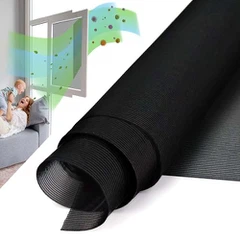
Hey there! As a supplier of pollen screen mesh, I often get asked whether a pollen screen mesh can be used in a greenhouse. Well, let's dive right into it and explore this topic.
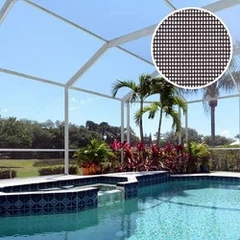
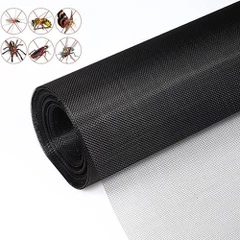
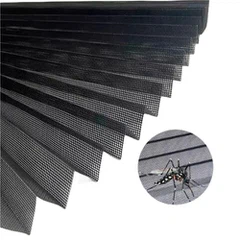
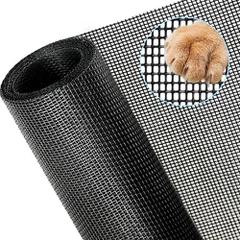
First off, what exactly is a pollen screen mesh? It's a fine - woven mesh that's designed to block pollen from entering a space. We offer different types, like the Pollen Mesh for Windows and Pollen Net for Windows, which are commonly used for residential windows. But can these be adapted for greenhouse use?
Benefits of Using Pollen Screen Mesh in a Greenhouse
1. Pollen Control
One of the most obvious benefits is pollen control. In a greenhouse, you might be growing specific plant varieties, and you don't want unwanted pollen from outside plants to contaminate your crops. For example, if you're growing heirloom tomatoes and you don't want them cross - pollinated by other tomato varieties in the neighborhood, a pollen screen mesh can act as a barrier. It can prevent the wind - borne pollen from entering the greenhouse and messing up your carefully planned breeding or cultivation.
2. Pest Prevention
Believe it or not, a pollen screen mesh can also help with pest prevention. Many pests are small enough to be carried by the wind, and they often come in search of plants to feed on. The fine mesh can stop tiny insects like aphids, thrips, and whiteflies from getting into the greenhouse. These pests can cause a lot of damage to your plants, from sucking the sap out of leaves to spreading diseases. By keeping them out, you're protecting your greenhouse crops and reducing the need for chemical pesticides.
3. Air Circulation
A good pollen screen mesh won't completely block air circulation. It allows for a certain amount of fresh air to enter the greenhouse while still filtering out the unwanted pollen and pests. This is crucial for the health of your plants. Proper air circulation helps to regulate temperature and humidity inside the greenhouse, and it also ensures that the plants get enough carbon dioxide for photosynthesis. Our 17×60 Pollen Screen Mesh is designed in a way that provides a good balance between filtration and air movement.
Considerations When Using Pollen Screen Mesh in a Greenhouse
1. Mesh Size
The size of the mesh is a critical factor. If the mesh is too fine, it might restrict air circulation too much, leading to poor ventilation and potentially higher humidity levels inside the greenhouse. On the other hand, if the mesh is too coarse, it won't effectively block pollen or pests. You need to choose a mesh size that suits your specific needs. For most greenhouse applications, a mesh size that can block particles in the range of pollen and small insects is ideal.
2. Durability
Greenhouses are exposed to various environmental conditions, including sunlight, rain, and wind. The pollen screen mesh you choose should be durable enough to withstand these elements. Look for a mesh that is made from high - quality materials and has a good UV - resistance rating. This will ensure that the mesh doesn't degrade quickly under the sun's rays and lasts for a long time.


3. Installation
Proper installation is key. The mesh needs to be installed tightly around the greenhouse to prevent any gaps where pollen or pests could sneak in. You might need to use special fasteners or adhesives to secure the mesh in place. Make sure that all the edges are sealed properly, especially around doors and vents.
Case Studies
Let's take a look at a couple of real - world examples. There was a small - scale organic farmer who was growing a variety of peppers in his greenhouse. He was having issues with cross - pollination and pest infestations. After installing our pollen screen mesh, he noticed a significant reduction in both problems. The peppers were growing healthier, and he didn't have to use as many pesticides.
Another example is a flower nursery that was struggling with the spread of a particular plant disease carried by insects. By putting up a pollen screen mesh around their greenhouse, they were able to stop the insects from entering and prevent the further spread of the disease. This saved them a lot of money in terms of plant losses and treatment costs.
How to Choose the Right Pollen Screen Mesh for Your Greenhouse
1. Assess Your Needs
First, think about what you're trying to achieve. Are you mainly concerned about pollen control, pest prevention, or both? Also, consider the types of plants you're growing. Some plants are more sensitive to cross - pollination or pest attacks than others.
2. Check the Specifications
Look at the specifications of the pollen screen mesh. Pay attention to the mesh size, material, and durability. Make sure that the mesh meets your requirements in terms of filtration and air circulation.
3. Read Reviews
Don't just take our word for it. Read reviews from other greenhouse owners who have used the pollen screen mesh. They can give you valuable insights into how well the mesh performs in real - world situations.
Conclusion
So, can a pollen screen mesh be used in a greenhouse? Absolutely! It offers a range of benefits, from pollen control and pest prevention to improved air circulation. However, you need to choose the right mesh and install it properly.
If you're interested in purchasing a pollen screen mesh for your greenhouse, we're here to help. We have a wide range of options available, and our team can assist you in choosing the best one for your specific needs. Don't hesitate to reach out to us for more information or to start a procurement discussion. We're committed to providing high - quality products and excellent customer service.
References
- Research on the impact of pollen barriers in greenhouse cultivation, Journal of Horticultural Science
- Case studies on pest prevention in greenhouses using mesh screens, Agricultural Research Quarterly