


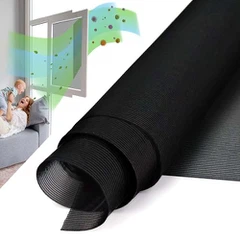
How does a pollen screen mesh benefit a greenhouse?
As a supplier of pollen screen mesh, I've witnessed firsthand the transformative impact these screens can have on greenhouse environments. In this blog, I'll delve into the various ways pollen screen mesh benefits greenhouses, from protecting crops to enhancing overall growing conditions.
Protecting Crops from Pollen and Contaminants
One of the primary benefits of using pollen screen mesh in a greenhouse is its ability to protect crops from unwanted pollen and other contaminants. Pollen can carry diseases and pests that can harm plants, leading to reduced yields and lower-quality produce. By installing a pollen screen mesh, you create a physical barrier that prevents pollen from entering the greenhouse, reducing the risk of crop damage.
The fine mesh of the screen is designed to trap pollen particles while still allowing air and light to pass through. This ensures that your plants receive the necessary ventilation and sunlight to thrive, while also keeping them safe from external threats. Additionally, the screen can also block other contaminants such as dust, dirt, and insects, further protecting your crops and maintaining a clean growing environment.
Controlling Cross-Pollination
In addition to protecting crops from external pollen, pollen screen mesh can also be used to control cross-pollination within the greenhouse. Cross-pollination occurs when pollen from one plant is transferred to another, which can result in hybridization and the loss of desirable traits in the offspring. This can be a significant concern for growers who are aiming to maintain the purity of their plant varieties.
By using pollen screen mesh to separate different plant varieties within the greenhouse, you can prevent cross-pollination and ensure that each plant produces offspring with the desired characteristics. This is particularly important for breeders and growers who are working with heirloom or specialty plant varieties.
Improving Air Quality and Ventilation
Another benefit of pollen screen mesh is its ability to improve air quality and ventilation within the greenhouse. Proper ventilation is essential for maintaining a healthy growing environment, as it helps to regulate temperature, humidity, and carbon dioxide levels. It also helps to prevent the buildup of harmful gases and pathogens, which can lead to plant diseases and poor growth.
The fine mesh of the pollen screen allows for the exchange of air while still filtering out pollen and other contaminants. This helps to ensure that the air inside the greenhouse is clean and fresh, providing a healthier environment for your plants. Additionally, the screen can also help to reduce the amount of dust and debris that enters the greenhouse, which can improve the overall cleanliness of the growing area.
Enhancing Energy Efficiency
Pollen screen mesh can also contribute to energy efficiency in the greenhouse. By blocking out a portion of the sunlight, the screen can help to reduce the amount of heat that enters the greenhouse, which can lower the need for cooling systems during hot weather. This can result in significant energy savings and reduced operating costs for the grower.
On the other hand, during cold weather, the screen can act as an additional layer of insulation, helping to retain heat inside the greenhouse. This can reduce the need for heating systems, further improving energy efficiency and reducing costs.
Providing a Cost-Effective Solution
Compared to other methods of protecting crops from pollen and contaminants, such as using chemical pesticides or building expensive enclosed structures, pollen screen mesh is a cost-effective solution. It is relatively inexpensive to purchase and install, and it requires minimal maintenance. Additionally, the screen can last for several years, providing long-term protection for your crops.
Case Studies and Real-World Examples
To illustrate the benefits of pollen screen mesh in a greenhouse, let's take a look at some real-world examples. A flower grower in [Location] was experiencing significant problems with cross-pollination between different varieties of roses in their greenhouse. This was resulting in the loss of desirable traits in the offspring and reduced marketability of their flowers. After installing pollen screen mesh to separate the different rose varieties, the grower noticed a significant improvement in the purity of their plants. The new generation of roses had the desired color, shape, and fragrance, and the grower was able to increase their sales and profits.
Another example is a vegetable grower in [Another Location] who was struggling with pest infestations and disease outbreaks in their greenhouse. The grower was using chemical pesticides to control the pests, but this was not only expensive but also had a negative impact on the environment. After installing pollen screen mesh, the grower was able to reduce the use of pesticides by up to 50%. The screen blocked out insects and other pests, while also preventing the spread of diseases carried by pollen. This resulted in healthier plants, higher yields, and a more sustainable growing operation.
Conclusion
In conclusion, pollen screen mesh offers numerous benefits for greenhouses. It protects crops from pollen and contaminants, controls cross-pollination, improves air quality and ventilation, enhances energy efficiency, and provides a cost-effective solution for growers. Whether you are a small-scale hobbyist or a large commercial grower, investing in pollen screen mesh can help you to create a healthier and more productive growing environment.

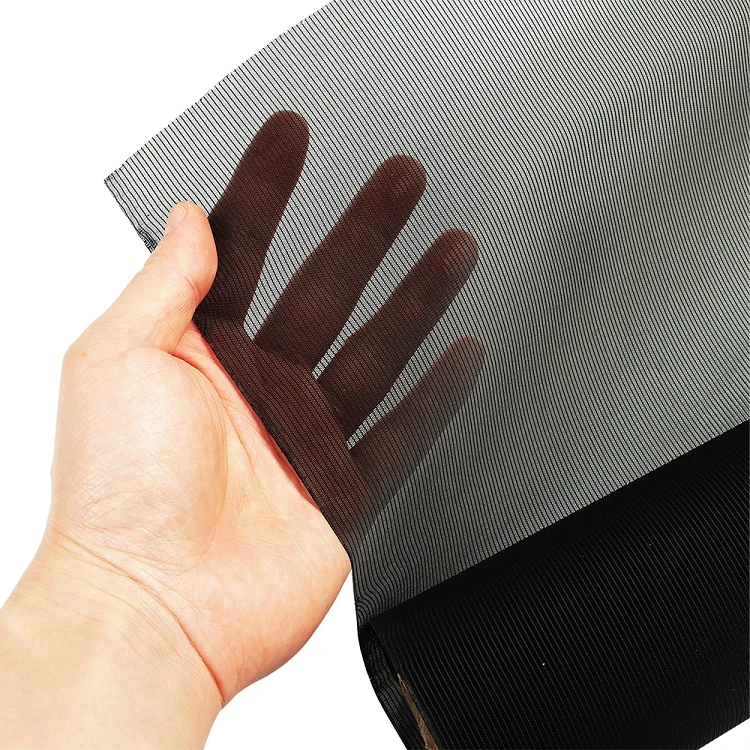
If you are interested in learning more about our pollen screen mesh products or would like to discuss your specific greenhouse needs, please feel free to reach out. We are here to provide you with the best solutions for your growing operation.
If you want to explore more options related to pollen screens, you can visit these links: Window Screens for Allergy Sufferers, Pollen Net for Windows, and Anti Pollen Window Screen.
References
- "Greenhouse Horticulture: An Introduction" by Bart J. B. van Duijn
- "Pest Management in Greenhouses" by R. K. Lindquist
- Various industry reports and research studies on greenhouse technology and crop protection.