

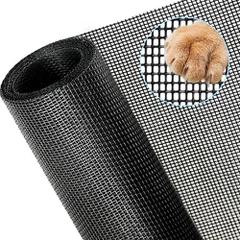
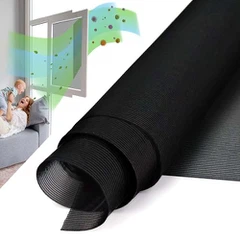
Hey there! As a supplier of plisse screens, I often get asked about how to measure for these nifty window and door accessories. It's a crucial step because getting the measurements right ensures a perfect fit and optimal performance. So, let's dive into the nitty - gritty of measuring for a plisse screen.
Why Accurate Measurements Matter
First off, why is it so important to measure correctly? Well, a poorly - measured plisse screen won't fit properly. It might be too big and not fit into the window or door frame, or too small, leaving gaps that let bugs in. A well - fitting plisse screen not only keeps insects out but also enhances the aesthetic appeal of your space. It's like buying a pair of shoes; if they don't fit, they're not going to do the job right.
Tools You'll Need
Before you start measuring, gather the right tools. You'll need a good quality tape measure. Make sure it's long enough to measure the width and height of your window or door. A pencil and a piece of paper are also handy for jotting down the measurements. If you're dealing with a particularly large or complex area, a helper can be useful to hold one end of the tape measure steady.
Measuring the Width
Let's start with measuring the width. For a window or door where you want to install a plisse screen, measure the width at the top, middle, and bottom. Why three times? Well, frames can sometimes be slightly uneven. You want to get the most accurate measurement possible.
Place the tape measure at the inside edge of the frame on one side and stretch it across to the inside edge on the other side. Write down each measurement. Once you have all three, take the smallest of the three measurements. This is important because if you use the largest measurement, the screen might be too wide and won't fit properly.
For example, if you measure 90 cm at the top, 89.5 cm in the middle, and 89 cm at the bottom, you'll use 89 cm as your width measurement for the plisse screen.
Measuring the Height
Measuring the height is similar to measuring the width. Measure the height at the left, middle, and right sides of the window or door frame. Again, measure from the inside edge of the frame at the top to the inside edge at the bottom.
Just like with the width, record all three measurements and use the smallest one. Say you measure 120 cm on the left, 119.5 cm in the middle, and 119 cm on the right. You'll use 119 cm as your height measurement.
Special Considerations
Irregular Shapes
If your window or door has an irregular shape, like an arched top or a bay window, things get a bit more complicated. For arched windows, you'll need to measure the width at the base and the height from the base to the highest point of the arch. You might also want to measure the curve of the arch at a few points to get an idea of its shape.
For bay windows, measure each section separately. Treat each individual window as a separate unit and measure the width and height as described above. Then, when you're ordering the plisse screen, you can discuss with us how to create a custom - fit solution for the entire bay window.
Existing Screens or Obstructions
If there are existing screens, handles, or other obstructions on the window or door, you need to take them into account. Measure the distance from the edge of the frame to the obstruction. This will help us determine if there's enough space to install the plisse screen properly.
For example, if there's a handle on the window that sticks out 3 cm from the frame, we'll need to make sure the plisse screen can be installed without hitting the handle.
Types of Plisse Screens
We offer different types of plisse screens, each with its own characteristics. One popular option is the Folding Retractable Screen. This type of screen can be easily folded up when not in use, giving you the flexibility to enjoy an unobstructed view. It's great for windows and doors that you use frequently.
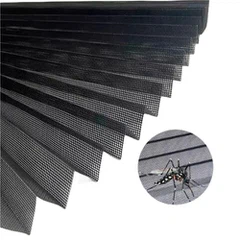
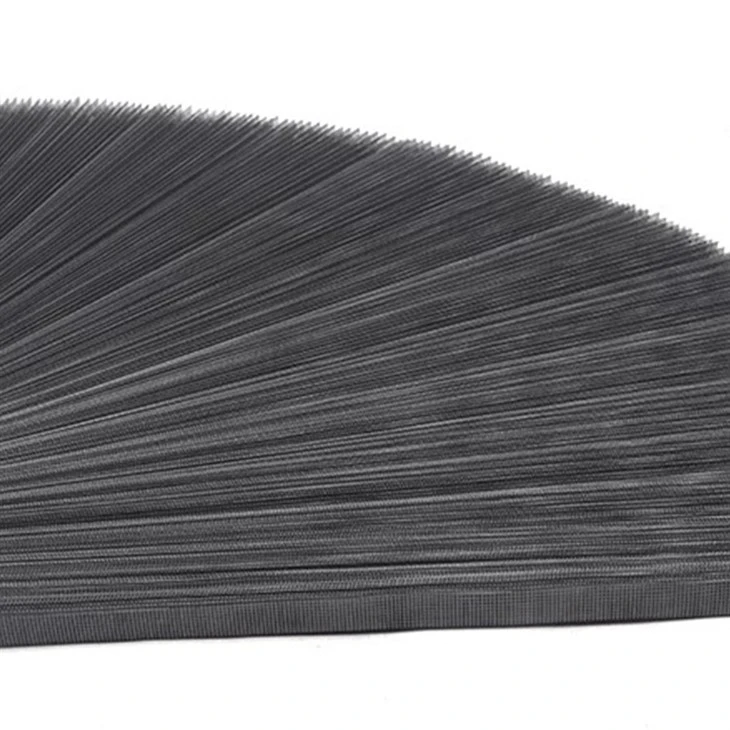
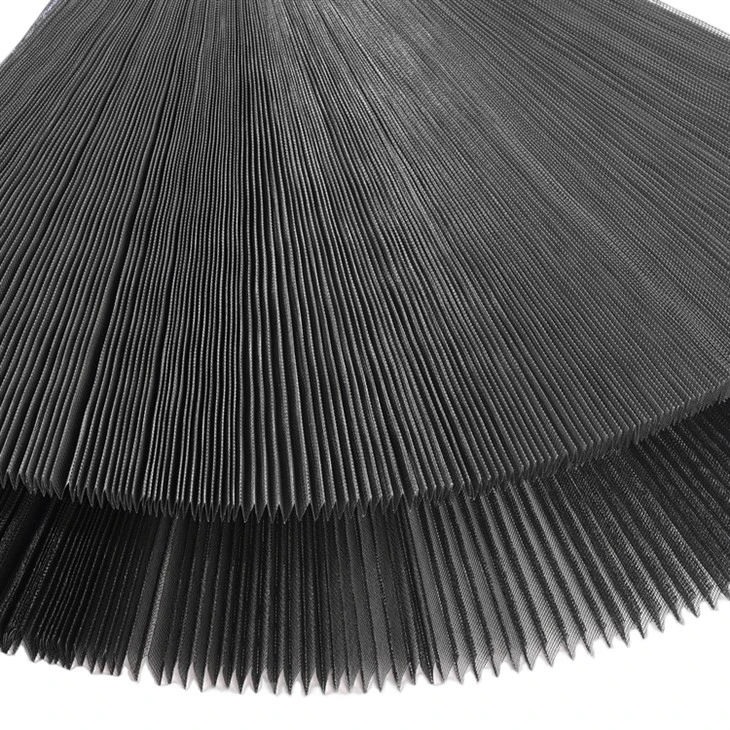
Another option is the Mosquito Pleated Mesh. As the name suggests, it's designed specifically to keep mosquitoes and other insects out. The pleated design allows it to be compactly stored when not needed.
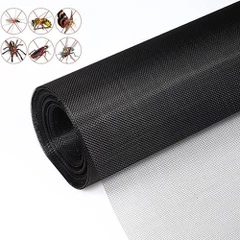
And of course, our Plisse Insect Screen is a versatile choice that can be used in a variety of settings. It's durable and effective at keeping bugs at bay.
Double - Checking Your Measurements
Once you've taken all the measurements, it's a good idea to double - check them. Measure everything again to make sure you didn't make any mistakes. It's better to be safe than sorry, especially when it comes to getting a perfect - fitting plisse screen.
If you're still unsure about your measurements, don't hesitate to reach out to us. We have a team of experts who can guide you through the process and answer any questions you might have.
Ordering Your Plisse Screen
After you're confident in your measurements, it's time to order your plisse screen. You can contact us with your measurements and let us know which type of screen you're interested in. We'll work with you to create a custom - fit plisse screen that meets your needs.
We understand that every customer's situation is unique, and we're committed to providing high - quality products and excellent customer service. Whether you're a homeowner looking to keep bugs out of your living room or a business owner in need of screens for a commercial space, we've got you covered.
Conclusion
Measuring for a plisse screen is an important step in the process of getting a perfect - fitting and functional screen. By following these steps and taking accurate measurements, you'll be well on your way to enjoying a bug - free environment.
If you have any more questions about measuring, or if you're ready to place an order, don't hesitate to get in touch. We're here to help you every step of the way. Whether it's a simple window installation or a complex custom project, we're confident we can provide the right plisse screen solution for you. So, start measuring today and let's get you a great plisse screen!
References
- General knowledge in the window and door screen industry.
- Experience gained from years of supplying plisse screens.