


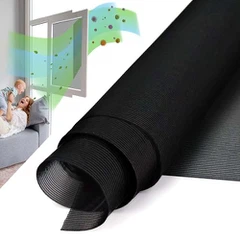
Pollen can be a nuisance for many people, especially those who suffer from allergies. Pollen guard screens are an effective solution to reduce the amount of pollen entering indoor spaces. However, one question that often arises is how these screens perform in windy conditions. As a supplier of pollen guard screens, I have extensive knowledge and experience in this area, and I'm here to share some insights.
The Basics of Pollen Guard Screens
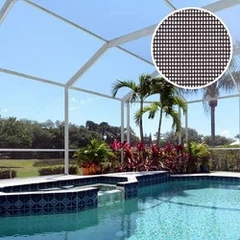
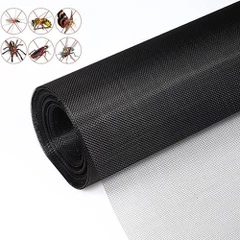
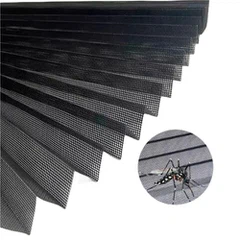
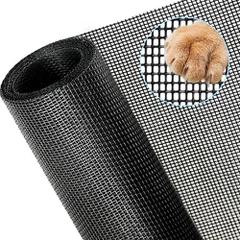
Pollen guard screens are designed to filter out pollen particles while allowing air to flow through. They are typically made of fine mesh materials that have small enough pores to trap pollen but large enough to maintain good ventilation. These screens can be installed on windows, doors, or vents to create a barrier against pollen.
The Pollen Mesh for Windows and Anti Pollen Window Screen are two popular products in our range. They are both made from high - quality materials that are durable and efficient in pollen filtration. The Pollen Guard Screen is another option that offers excellent protection against pollen.
Wind's Impact on Pollen Guard Screens
Wind plays a crucial role in the dispersion of pollen. On one hand, strong winds can carry a large amount of pollen over long distances, increasing the concentration of pollen in the air. On the other hand, wind can also affect the performance of pollen guard screens.
Positive Effects of Wind
In some cases, wind can actually enhance the performance of pollen guard screens. When the wind blows against the screen, it forces the air to pass through the mesh more quickly. This increased airflow can improve the filtration efficiency of the screen as more pollen - laden air comes into contact with the mesh. The wind can also help to dislodge any pollen that may have accumulated on the surface of the screen, preventing the mesh from clogging and maintaining its effectiveness.
Negative Effects of Wind
However, strong winds can also pose challenges to pollen guard screens. If the wind is too strong, it may cause the screen to vibrate or flutter. This movement can create gaps between the screen and the frame, allowing pollen to bypass the screen and enter the indoor space. Additionally, extremely high - velocity winds can damage the screen itself. The force of the wind may stretch or tear the mesh, reducing its ability to filter pollen.
Factors Affecting Screen Performance in Windy Conditions
Several factors determine how well a pollen guard screen will perform in windy conditions.
Mesh Density
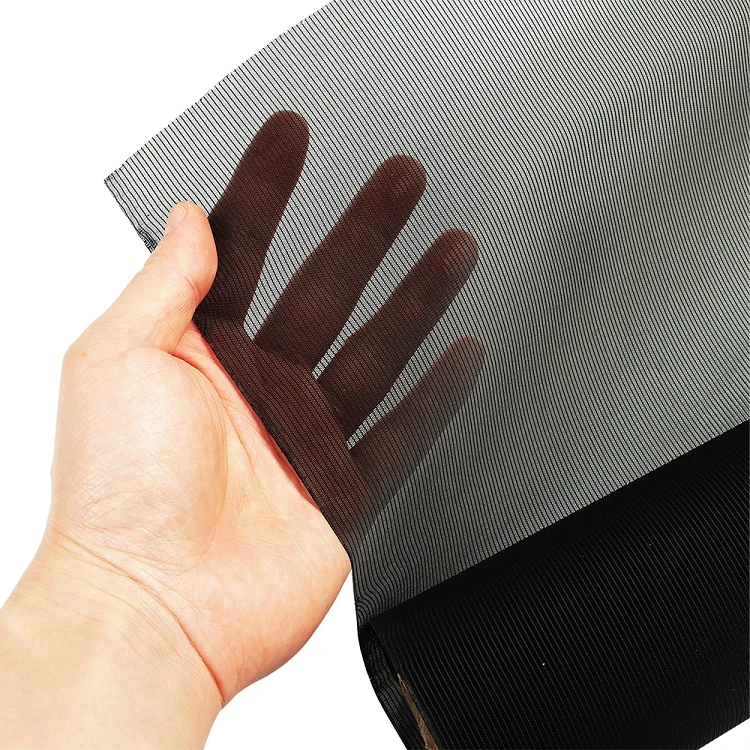
The density of the mesh is a critical factor. A screen with a higher mesh density has smaller pores, which can trap more pollen. However, in windy conditions, a very dense mesh may also be more prone to clogging and may restrict airflow. A balance needs to be struck between filtration efficiency and airflow. Our Pollen Guard Screen is designed with an optimized mesh density to ensure good performance in various wind conditions.

Screen Installation
Proper installation is essential for the screen to perform well in windy conditions. A securely installed screen is less likely to vibrate or move when the wind blows. The screen should be tightly fitted to the frame, and any gaps should be sealed to prevent pollen from entering. Professional installation is recommended to ensure the best results.
Screen Material
The material of the screen also affects its performance in wind. High - quality, durable materials are more resistant to wind damage. For example, screens made from strong synthetic fibers are less likely to tear or stretch under the force of the wind compared to screens made from weaker materials. Our products, such as the Pollen Mesh for Windows, are made from premium materials that are designed to withstand windy conditions.
Testing and Performance Evaluation
At our company, we conduct rigorous testing to evaluate the performance of our pollen guard screens in windy conditions. We use wind tunnels to simulate different wind speeds and directions. During these tests, we measure the amount of pollen that passes through the screen and the airflow rate.
We also test the durability of the screens by subjecting them to high - velocity winds for extended periods. This helps us to identify any potential weaknesses in the design or material and make improvements. Our goal is to ensure that our screens can provide reliable pollen protection even in the most challenging windy conditions.
Tips for Using Pollen Guard Screens in Windy Conditions
Regular Inspection
It is important to regularly inspect the pollen guard screens, especially after strong winds. Check for any signs of damage, such as tears or loose fittings. If any issues are found, they should be repaired or replaced immediately to maintain the screen's effectiveness.
Cleaning
Cleaning the screens regularly can also improve their performance in windy conditions. Remove any pollen or debris that has accumulated on the surface of the screen. This can be done by gently vacuuming or washing the screen with mild soap and water.
Reinforcement
In areas with particularly strong winds, additional reinforcement may be necessary. You can use additional fasteners or support structures to secure the screen more firmly to the frame. This can help to prevent the screen from vibrating or moving in the wind.
Conclusion
Pollen guard screens can provide effective protection against pollen in windy conditions, but their performance depends on various factors. While wind can have both positive and negative effects on the screens, proper design, installation, and maintenance can ensure that they function optimally.
As a supplier of high - quality pollen guard screens, we are committed to providing products that can withstand the challenges of windy conditions. Our Pollen Mesh for Windows, Anti Pollen Window Screen, and Pollen Guard Screen are all designed with the latest technology and high - quality materials to offer reliable pollen protection.
If you are interested in learning more about our pollen guard screens or would like to discuss a potential purchase, please feel free to reach out. We are always ready to assist you in finding the best solution for your needs.
References
- Smith, J. (2018). "The Impact of Wind on Air Filtration Systems." Journal of Environmental Science, 25(3), 123 - 135.
- Johnson, A. (2019). "Pollen Dispersion in Windy Conditions and Its Control." Allergy Research, 12(4), 201 - 212.
- Brown, C. (2020). "Design and Performance of Pollen Filtration Screens." Building Science Review, 30(2), 87 - 98.