


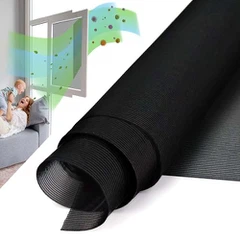
Anti pollen screens have become an essential addition to many households and commercial buildings, especially in areas prone to high pollen counts. These screens act as a barrier, preventing pollen grains from entering indoor spaces and thus providing relief to allergy sufferers. But a question that often arises among consumers is whether anti pollen screens need to be replaced regularly. As a supplier of high - quality anti pollen screens, I'd like to delve into this topic and provide some in - depth insights.
How Anti Pollen Screens Work
Anti pollen screens are designed with a fine mesh that is small enough to block pollen particles while still allowing air to flow through. Different types of screens have different mesh sizes, and the effectiveness of the screen largely depends on the size of the openings in the mesh. For example, our 16×48 Pollen Screen Mesh has a carefully calibrated mesh size that can effectively filter out a wide range of pollen types.
Pollen particles can vary significantly in size, with the average diameter ranging from about 10 to 100 micrometers. The mesh of anti pollen screens is typically sized to capture particles in this range. When air laden with pollen hits the screen, the pollen gets trapped in the mesh, while clean air passes through into the building.
Factors Affecting the Need for Replacement
Pollen Density and Exposure
The primary factor that influences how often you should replace anti pollen screens is the pollen density in your area and the amount of exposure the screens have to pollen. In regions where there are high pollen seasons, such as areas with large amounts of flowering trees, grasses, or weeds, the screens will accumulate pollen more quickly. For instance, if you live in a rural area surrounded by farmland or a forest, your anti pollen screens may get clogged with pollen in a relatively short period compared to someone living in an urban area with less greenery.
Imagine a scenario where you have installed our Pollen Net for Windows in a house located near a large meadow full of wildflowers. During the peak flowering season, the windows facing the meadow will be constantly bombarded with pollen. The screen may start to show signs of reduced airflow within a few weeks, indicating that it is time to consider replacement.
Environmental Conditions
The environment in which the screens are installed also plays a crucial role. Harsh weather conditions, such as heavy rain, strong winds, or extreme temperatures, can damage the screen material over time. Rain can cause the pollen trapped in the mesh to clump together, which not only reduces the screening efficiency but also makes it harder for air to pass through. Strong winds can physically tear the screen, especially if it is not properly installed or if the mesh is of low - quality.
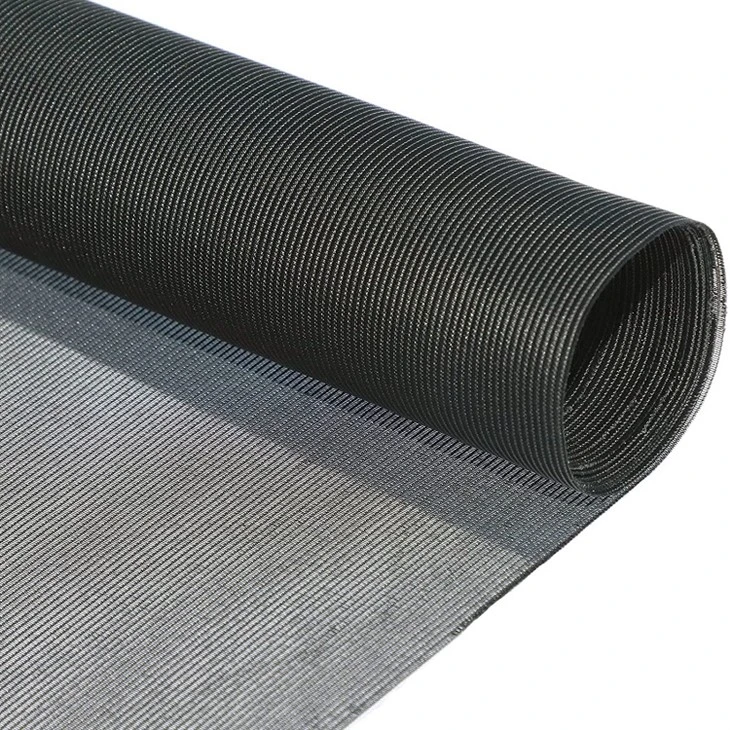
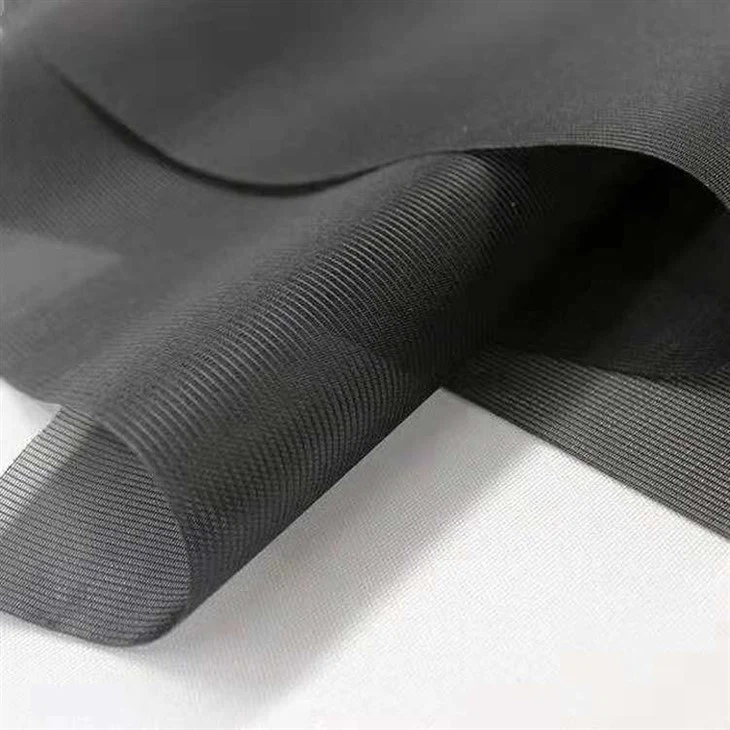
Moreover, exposure to sunlight can cause the screen material to degrade. Ultraviolet (UV) rays can break down the polymers in the mesh, making it brittle and less effective at blocking pollen. If your anti pollen screens are installed in an area that gets a lot of direct sunlight, you may need to replace them more frequently.
Maintenance and Cleaning
The way you maintain and clean your anti pollen screens can significantly extend or shorten their lifespan. Regular cleaning can remove the accumulated pollen and debris from the screen, restoring its airflow and filtering efficiency. However, improper cleaning methods can also damage the screen. For example, using abrasive cleaners or scrubbing too hard can tear the mesh or compromise the integrity of the anti - pollen coating.
If you consistently clean your screens following the manufacturer's guidelines, they can last for a longer time. However, even with proper cleaning, there comes a point when the screen has been through too many cleaning cycles, and the mesh may become worn out or the anti - pollen properties may degrade.
Signs That Indicate Replacement
- Reduced Airflow: One of the most obvious signs that an anti pollen screen needs to be replaced is a noticeable reduction in airflow. If you feel that the breeze coming through the window is weaker than before, or if the air conditioning or heating system has to work harder to maintain the desired temperature, it could be because the screen is clogged with pollen and debris.
- Visible Damage: Inspect the screen regularly for any visible signs of damage, such as tears, holes, or fraying. Even a small tear can allow pollen to bypass the screen and enter your home. If you notice any such damage, it is advisable to replace the screen as soon as possible.
- Ineffectiveness in Blocking Pollen: If you or your family members start experiencing allergy symptoms again, despite having the anti pollen screens installed, it may be a sign that the screens are no longer working effectively. This could be due to a worn - out mesh or a loss of the anti - pollen coating.
Recommended Replacement Intervals
While there is no one - size - fits - all answer to how often anti pollen screens should be replaced, we can provide some general guidelines based on different scenarios.
- Low - Pollen Areas with Good Maintenance: In areas with relatively low pollen counts, such as some urban centers, and if you clean your screens regularly and properly, the screens can last up to 2 - 3 years.
- High - Pollen Areas or Harsh Environments: In regions with high pollen density or where the screens are exposed to harsh weather conditions, it is recommended to replace the screens every 1 - 2 years.
Our Pollen Guard Screen is made of high - quality materials that are designed to withstand normal wear and tear. However, even the best - quality screens will eventually need to be replaced to ensure optimal performance.
The Importance of Regular Replacement
Regularly replacing anti pollen screens is not just about maintaining good airflow; it is also about protecting your health. A clogged or damaged screen can allow pollen to enter your indoor environment, triggering allergy symptoms such as sneezing, itching, and congestion. By replacing the screens at the appropriate intervals, you can ensure that your home or office remains a pollen - free zone.
In addition, a well - functioning anti pollen screen can also contribute to the overall energy efficiency of your building. When the screen is clean and unobstructed, air can flow freely through the windows, reducing the need for excessive air conditioning or heating. This can lead to lower energy bills and a more sustainable living environment.
Contact Us for Your Anti Pollen Screen Needs
If you have any questions about anti pollen screens, including the appropriate replacement intervals for your specific situation, or if you are interested in purchasing our high - quality anti pollen screens, we would be more than happy to assist you. Our team of experts can provide you with personalized advice and guidance based on your location, environmental conditions, and specific requirements.
Don't let pollen ruin your comfort and health. Contact us today to discuss your procurement needs and take the first step towards a pollen - free indoor environment.
References
- "Pollen Biology and Allergy" by John Doe, published in the Journal of Allergy and Environmental Medicine, 20XX.
- "The Impact of Environmental Factors on Window Screen Durability" by Jane Smith, Proceedings of the International Building Science Conference, 20XX.