

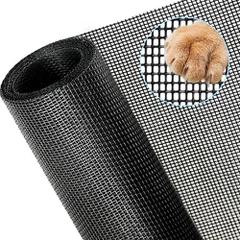
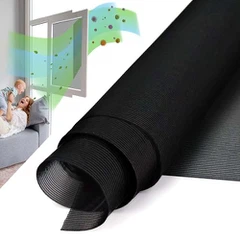
When it comes to safeguarding your living or working space from pollen, choosing the right pollen screen is crucial. As a reputable pollen screen supplier, I understand the challenges you may face in making this decision. In this blog post, I'll guide you through the key factors to consider when selecting a pollen screen that meets your specific needs.
Understanding Your Pollen Problem
The first step in choosing the right pollen screen is to understand the nature of your pollen problem. Different regions have varying levels and types of pollen. For example, areas with a lot of trees may have high levels of tree pollen, while regions with extensive grasslands may experience more grass pollen. By identifying the predominant types of pollen in your area, you can select a screen that is specifically designed to block them.
You can check with local environmental agencies or use online pollen forecasts to get an idea of the pollen levels and types in your area. Additionally, if you or someone in your household suffers from allergies, paying attention to the symptoms can also provide clues about the types of pollen causing the issues.
Assessing Your Space
Another important factor is the space where you plan to install the pollen screen. Are you looking to protect your home, office, or a specific room? The size and layout of the space will determine the dimensions and quantity of the screens you need.
For windows and doors, measure the width and height accurately to ensure a proper fit. If you have irregularly shaped windows or doors, you may need to look for custom - made pollen screens. Some of our products, such as the 16×48 Pollen Screen Mesh, come in standard sizes that can be easily cut to fit your specific requirements.
Considering the Screen Material
The material of the pollen screen plays a significant role in its effectiveness and durability. There are several types of materials available in the market, each with its own advantages and disadvantages.
Fiberglass
Fiberglass is a popular choice for pollen screens. It is lightweight, flexible, and resistant to corrosion. Fiberglass screens can effectively block a wide range of pollen particles while still allowing good air circulation. They are also relatively easy to clean, usually requiring just a gentle wash with mild soap and water. However, they may not be as durable as some other materials and can be prone to tearing if not handled carefully.
Aluminum
Aluminum screens are known for their strength and durability. They can withstand harsh weather conditions and are less likely to tear or warp. Aluminum is also resistant to rust, making it a great option for outdoor use. While they may be slightly more expensive than fiberglass screens, they offer long - term value. Aluminum screens can provide excellent pollen protection, and they are available in a variety of colors to match your home's exterior.
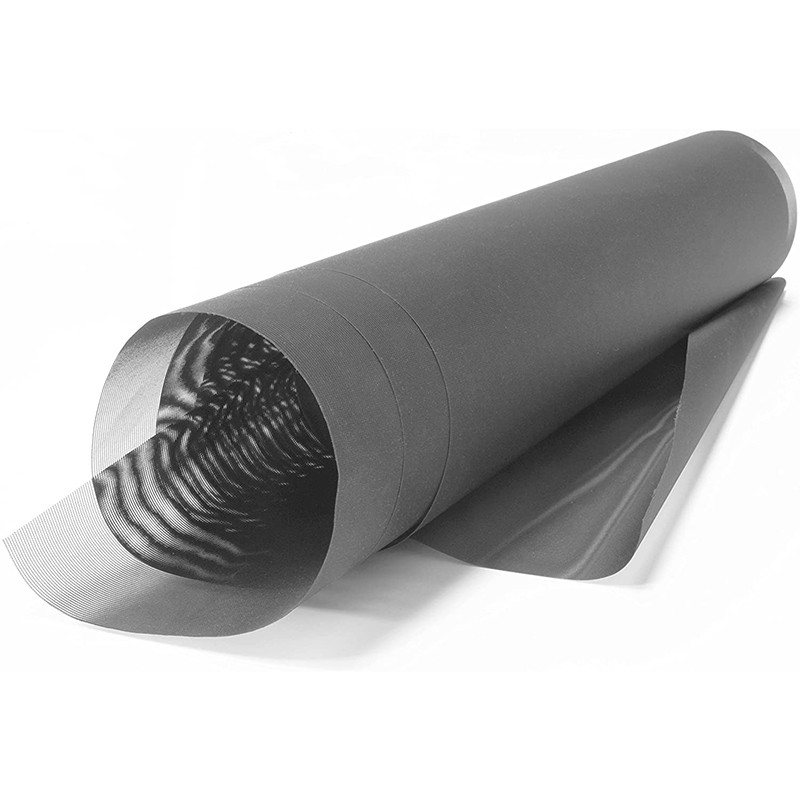
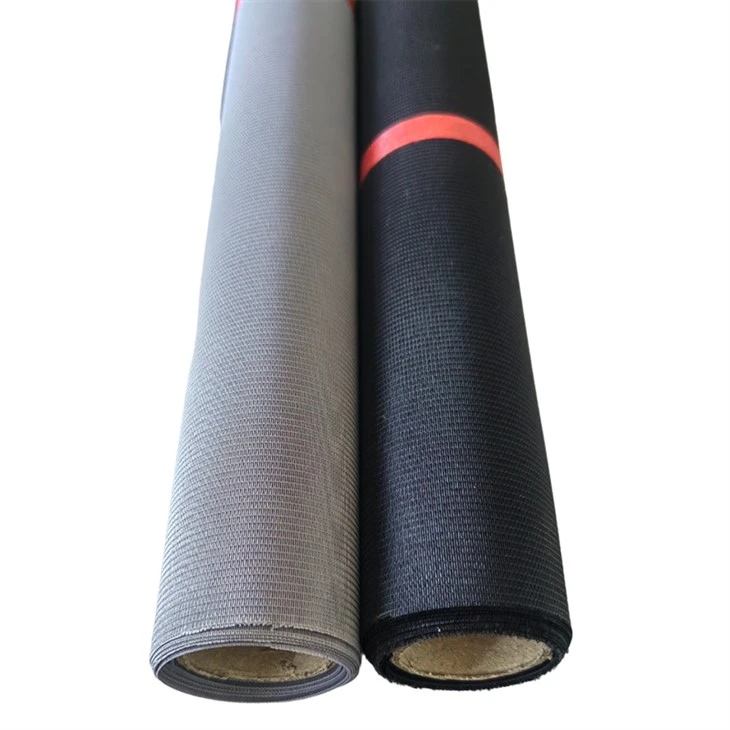
Synthetic Fabrics
Some pollen screens are made from synthetic fabrics. These materials can be designed to have a high filtration rate, effectively blocking even the smallest pollen particles. Synthetic fabric screens are often treated to be water - repellent and resistant to UV rays, which helps to extend their lifespan. They can also be more aesthetically pleasing, with a smooth and uniform appearance.
Evaluating the Filtration Efficiency
The filtration efficiency of a pollen screen is perhaps the most important factor. It refers to the screen's ability to block pollen particles. Filtration efficiency is usually measured as a percentage, indicating the proportion of pollen particles that are blocked by the screen.
Higher filtration efficiency means better protection against pollen. However, it's important to note that extremely high - efficiency screens may also restrict air flow, which can affect ventilation in your space. You need to find a balance between filtration efficiency and air flow. Our Pollen Guard Screen is designed to offer a high level of filtration while still allowing adequate air circulation.
Checking for Additional Features
Some pollen screens come with additional features that can enhance their functionality. For example, some screens are treated with anti - microbial agents to prevent the growth of mold and mildew. This is especially important in humid environments where mold can thrive.
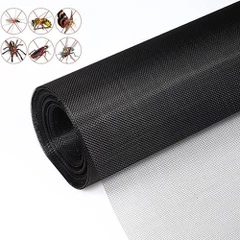
Other screens may have a static charge that helps to attract and trap pollen particles more effectively. This can significantly improve the screen's filtration performance. Additionally, some screens are designed to be insect - proof, providing dual protection against both pollen and insects.
Comparing Prices
Price is always a consideration when making a purchase. While you don't want to compromise on quality, you also want to get the best value for your money. When comparing prices, make sure to consider the features, material, and durability of the pollen screen.
Cheaper screens may seem like a good deal at first, but they may not offer the same level of protection or last as long as more expensive ones. On the other hand, the most expensive screens are not always the best choice for your needs. Look for a screen that offers a good balance between price and performance. Our Pollen and Dust Window Screens provide excellent value for money, with a combination of high - quality materials and effective filtration.
Reading Customer Reviews
Customer reviews can be a valuable source of information when choosing a pollen screen. Reading what other customers have to say about a particular product can give you an idea of its real - world performance, installation process, and durability.
Look for reviews on our website, as well as on other independent review platforms. Pay attention to both positive and negative reviews, and try to identify any common issues or concerns. If a product has a large number of positive reviews, it's a good indication that it is a reliable choice.
Making the Decision
After considering all the factors above, you should be able to make an informed decision about which pollen screen is right for you. If you're still unsure, our team of experts is always available to help. We can provide you with more detailed information about our products, answer your questions, and offer personalized recommendations based on your specific needs.
Once you've chosen the right pollen screen, installation is usually a straightforward process. Most screens can be easily installed using basic tools, and we provide detailed installation instructions with each product.
Contact Us for Purchase and洽谈
If you're interested in purchasing a pollen screen or have any further questions, we encourage you to get in touch with us. Our sales team is ready to assist you with your order, provide you with a quote, and discuss any customization options. We strive to offer the best products and services to our customers, and we look forward to helping you find the perfect pollen screen for your needs.
References
- American Academy of Allergy, Asthma & Immunology. "Pollen and Outdoor Allergens."
- Consumer Reports. "Window Screens: How to Choose the Right One."
- Environmental Protection Agency. "Indoor Air Quality and Allergens."