


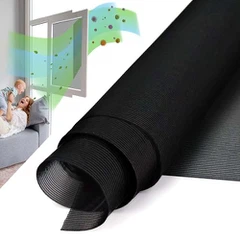
Can a plisse insect screen be used in cold climates? That's a question I get a lot as a supplier of plisse insect screens. In this blog post, I'll delve into whether these screens are suitable for cold - weather regions, what factors to consider, and their overall performance in such environments.
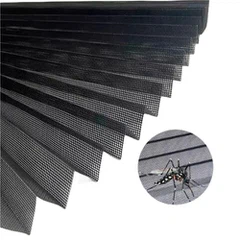
First off, let's understand what a plisse insect screen is. It's a type of retractable screen that can be pulled across windows or doors to keep insects out. When not in use, it neatly folds up, taking up minimal space. There are different types, like the Mosquito Pleated Mesh, Plisse Fly Screen, and Plisse Window&door Screen.
Material and Durability in Cold Climates
One of the key aspects to consider when using a plisse insect screen in cold climates is the material. Most plisse screens are made of either fiberglass or polyester mesh. Fiberglass is known for its strength and resistance to stretching. It can withstand a fair amount of cold without losing its shape. Polyester, on the other hand, is also durable and has good resistance to moisture, which is important in cold climates where condensation can be an issue.
However, extremely cold temperatures can make any material more brittle. In regions where the temperature drops well below freezing, there's a risk that the mesh or the frame of the plisse screen could crack. The frames are usually made of aluminum or plastic. Aluminum is a good choice as it's lightweight and has a high strength - to - weight ratio. But in cold weather, if it gets hit or jostled, it might be more prone to denting. Plastic frames can become brittle in the cold and break more easily.


Insulation and Energy Efficiency
You might be wondering if a plisse insect screen can contribute to insulation in cold climates. Well, the truth is, it's not a significant insulator on its own. The mesh is designed to let air through, which is great for ventilation but not so great for keeping the cold out.
But here's the thing. When used in combination with other window treatments like curtains or blinds, a plisse screen can add an extra layer of air between the window and the interior. This thin layer of air acts as a minor insulator, reducing heat transfer through the window. It won't replace a proper double - glazed window, but it can make a small difference in energy efficiency.
Snow and Ice Accumulation
Snow and ice are major challenges in cold climates. If a plisse screen is left exposed to the elements, snow can pile up on it. The weight of the snow can put stress on the screen, potentially causing it to sag or even break. Ice can also form on the mesh, blocking the airflow and making it difficult to retract or extend the screen.
To prevent snow and ice issues, it's a good idea to install the plisse screen on the inside of the window. This way, it's protected from direct exposure to the snow and ice. You can also clear any snow that might accumulate on the exterior of the window before it reaches the screen.
Condensation
Condensation is another problem in cold climates. When warm, moist air from inside the house comes into contact with the cold window surface, water droplets form. If a plisse screen is installed on the inside, it can trap this moisture between the screen and the window. This can lead to mold growth on the mesh, which not only looks bad but can also affect the air quality in your home.
To deal with condensation, make sure your home is well - ventilated. You can use exhaust fans in the kitchen and bathroom to remove moist air. Also, choose a plisse screen with good moisture - resistant properties.
Installation in Cold Climates
Installing a plisse insect screen in cold climates requires a bit of extra care. If you're installing it during the cold season, make sure the materials are at room temperature before you start. Cold materials can be more difficult to work with and may not fit properly.
Also, ensure that the installation is tight and secure. Loose - fitting screens are more likely to let in cold air and can be damaged more easily. You might want to consider using additional seals or gaskets to improve the fit and reduce air leakage.
Performance in Different Cold Regions
Not all cold climates are the same. In regions with milder cold, like coastal areas where the temperature rarely drops below freezing, a plisse insect screen can work just fine. The mesh and frame are less likely to be damaged, and the minor insulation benefits can still be useful.
In areas with extremely cold winters, such as the Arctic regions, a plisse screen might not be the best choice. The harsh conditions are too much for the screen to handle on its own. But even in these areas, if the screen is used in a well - protected indoor environment, it can still serve its purpose of keeping insects out during the warmer months.
Maintenance in Cold Climates
Maintenance is crucial for the longevity of a plisse insect screen in cold climates. After the cold season is over, inspect the screen for any signs of damage. Check the mesh for holes or tears, and examine the frame for dents or cracks. If you find any issues, repair or replace the damaged parts as soon as possible.
Clean the screen regularly to remove any dirt, dust, or mold. You can use a mild detergent and a soft brush to clean the mesh. Make sure it's completely dry before retracting it.
Conclusion
So, can a plisse insect screen be used in cold climates? The answer is yes, but with some considerations. It can work well in milder cold regions and can be a useful addition in more extreme climates if used correctly and with proper maintenance.
If you're interested in purchasing a plisse insect screen for your home, whether it's in a cold climate or not, I'd love to talk to you. We offer a wide range of Mosquito Pleated Mesh, Plisse Fly Screen, and Plisse Window&door Screen options. Contact me, and we can discuss the best solution for your needs.
References
- "Window Treatments for Energy Efficiency" - A research paper on how different window treatments affect energy consumption.
- "Materials in Cold Environments" - A study on the behavior of various materials at low temperatures.