


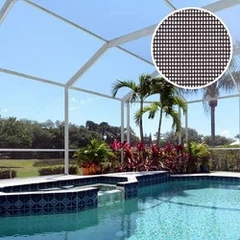
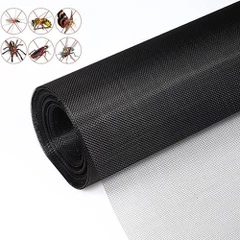
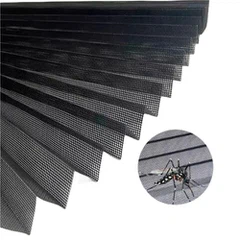
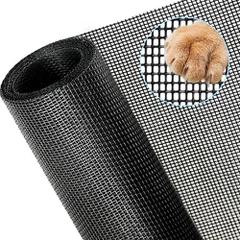
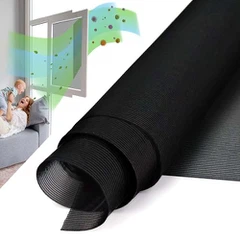
Polyester shading mesh is a popular choice for various applications, including outdoor shading solutions, agricultural protection, and industrial uses. One common question that customers often ask is whether polyester shading mesh shrinks over time. As a supplier of high - quality polyester shading mesh, I will explore this topic in detail to provide you with a comprehensive understanding.
The Composition and Characteristics of Polyester Shading Mesh
Polyester is a synthetic fiber known for its durability, strength, and resistance to many environmental factors. Polyester shading mesh is typically made by weaving or knitting polyester fibers together to form a mesh structure. This structure allows for the passage of air and light while providing shade.
The properties of polyester make it a suitable material for shading applications. It has good resistance to UV rays, which helps prevent the mesh from fading and deteriorating quickly under sunlight. Additionally, polyester is relatively resistant to moisture, mildew, and chemicals, making it suitable for use in different climates and environments.
Factors Affecting Shrinkage
1. Heat
Heat is one of the main factors that can cause shrinkage in polyester shading mesh. When polyester is exposed to high temperatures, the fibers can contract. For example, if the shading mesh is installed in an area where it is directly exposed to intense sunlight for long periods, the heat can cause the mesh to gradually shrink. In some industrial processes where the mesh is exposed to hot air or steam, shrinkage may also occur.
However, modern polyester shading meshes are often treated to improve their heat resistance. Manufacturers use special coatings and finishing processes to reduce the likelihood of shrinkage due to heat. For instance, some meshes are treated with heat - setting agents during the manufacturing process, which helps to stabilize the fibers and prevent excessive shrinkage.
2. Moisture
Moisture can also have an impact on the size of polyester shading mesh. Although polyester is relatively resistant to moisture, prolonged exposure to high humidity or direct contact with water can cause some swelling and then shrinkage when the mesh dries. If the shading mesh gets wet frequently and is not allowed to dry properly, the fibers may become distorted, leading to shrinkage over time.
But again, many high - quality polyester shading meshes are treated to be water - repellent. These treatments help to prevent water from being absorbed by the fibers, reducing the risk of shrinkage caused by moisture.
3. Tension and Installation
The way the polyester shading mesh is installed can also affect its potential for shrinkage. If the mesh is installed with too much tension, it may be more prone to shrinkage. Over - tensioning can stretch the fibers beyond their normal limits, and when the mesh experiences environmental stressors such as heat or moisture, the fibers may contract and cause shrinkage.
On the other hand, if the mesh is installed with too little tension, it may sag and not provide the intended shading effect. Proper installation techniques, including using the right amount of tension and ensuring that the mesh is securely attached, are crucial to minimizing shrinkage.
Real - World Observations
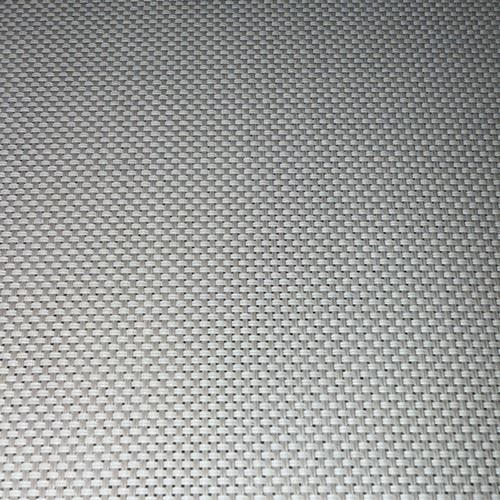
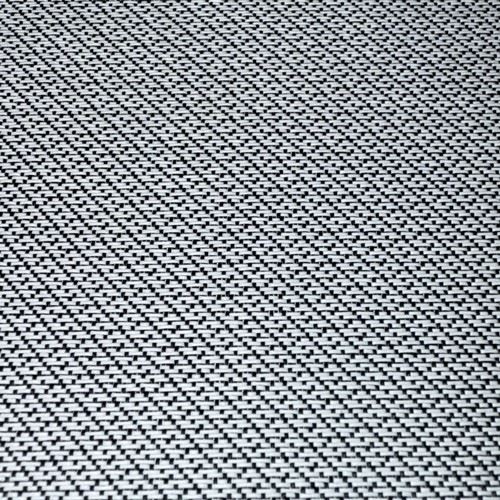
In real - world applications, the shrinkage of polyester shading mesh is usually minimal if the mesh is of good quality and is installed and maintained correctly. Many customers have reported that they have used our Polyester+PVC Sunshade 3% Fabric for several years without noticing significant shrinkage. This is because our products are made from high - grade polyester fibers and are subjected to strict quality control measures during the manufacturing process.
In agricultural applications, where the shading mesh is used to protect crops from excessive sunlight, it is important to monitor the mesh for any signs of shrinkage. If shrinkage occurs, it may affect the coverage and shading efficiency of the mesh. However, farmers who have used our 520 GSM Openness 5% Roller Blind Fabric have found that the mesh maintains its shape and size well over time, even in outdoor environments with varying weather conditions.
In the commercial and industrial sectors, our Fiberglass and Polyester Optional Sunshade Blinds Fibric is often used for shading windows and outdoor areas. Customers have reported that the mesh remains stable and does not shrink significantly, providing long - term shading solutions.
Preventing Shrinkage
To prevent shrinkage of polyester shading mesh, it is important to follow some best practices:
- Proper Installation: As mentioned earlier, install the mesh with the correct amount of tension. Follow the manufacturer's installation instructions carefully.
- Avoid Extreme Conditions: Try to avoid installing the mesh in areas where it will be exposed to extreme heat or moisture. If possible, provide some form of protection, such as a shelter or ventilation, to reduce the impact of these environmental factors.
- Regular Maintenance: Inspect the mesh regularly for any signs of damage or shrinkage. Clean the mesh as needed to remove dirt and debris, which can sometimes hold moisture and contribute to shrinkage.
Conclusion
In general, while polyester shading mesh can potentially shrink over time due to factors such as heat, moisture, and improper installation, high - quality meshes are designed to minimize this risk. As a supplier, we are committed to providing our customers with shading meshes that are durable, resistant to shrinkage, and able to meet their specific needs.
If you are considering purchasing polyester shading mesh for your project, whether it is for agricultural, commercial, or industrial use, we encourage you to contact us for more information. Our team of experts can help you select the right product based on your requirements and provide you with guidance on installation and maintenance. We are always ready to assist you in finding the best shading solution for your needs.
References
- Textile Institute. Handbook of Textile Fibres. Woodhead Publishing, 2015.
- ASTM International. Standards for Testing Polyester Fabrics. ASTM Publications, 2020.