


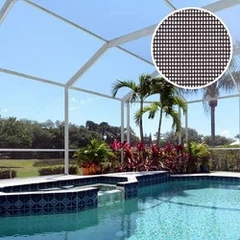
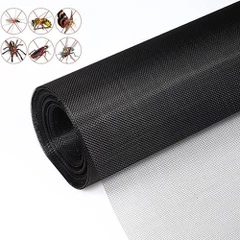
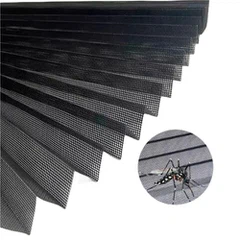
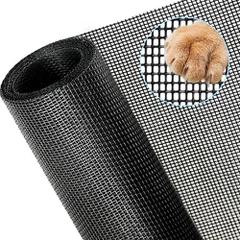
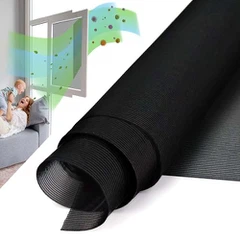
As a supplier of pollen screens, I often get asked whether our products can be used on doors. The short answer is yes, pollen screens can indeed be used on doors, and they offer a range of benefits in doing so. In this blog post, I'll explore the viability of using pollen screens on doors, the advantages, and some considerations to keep in mind.
The Functionality of Pollen Screens
Before delving into their use on doors, it's important to understand what pollen screens are and how they work. Pollen screens are designed to filter out pollen and other airborne particles such as dust, mold spores, and pet dander. They are typically made from a fine mesh material that allows air to pass through while trapping the unwanted particles.
The mesh size of a pollen screen is crucial to its effectiveness. A smaller mesh size can capture smaller particles, but it may also restrict airflow. Our Pollen Mesh for Windows and Pollen Net for Windows are engineered to strike the right balance between filtration and ventilation. These high - quality materials can be just as effective when applied to doors.
Benefits of Using Pollen Screens on Doors
1. Allergy Relief
For allergy sufferers, pollen can cause a range of uncomfortable symptoms such as sneezing, itching, watery eyes, and congestion. By installing a pollen screen on your door, you can significantly reduce the amount of pollen that enters your home. This creates a more comfortable indoor environment and can help alleviate allergy symptoms, allowing you to enjoy the fresh air without the allergic reactions.
2. Improved Indoor Air Quality
In addition to pollen, doors can be a major entry point for other pollutants and allergens. A pollen screen acts as a barrier, preventing dust, mold spores, and other small particles from entering your living space. This helps to improve the overall indoor air quality, which is especially important for people with respiratory conditions such as asthma.
3. Energy Efficiency
When you keep your doors open with a pollen screen in place, you can enjoy natural ventilation. This reduces the need for air - conditioning during warmer months, resulting in energy savings. The well - designed mesh allows for a smooth flow of air, creating a pleasant cross - breeze that can cool your home effectively.
4. Cost - Effective Solution
Compared to more complex air - filtration systems, pollen screens are a cost - effective way to protect your home from pollen and other airborne particles. They are relatively inexpensive to purchase and install, and they require minimal maintenance. Our 16×48 Pollen Screen Mesh provides a large - area coverage at an affordable price, making it a great option for doors.
Considerations When Using Pollen Screens on Doors
1. Door Type
Not all doors are suitable for pollen screen installation. For example, sliding doors are generally easier to retrofit with a pollen screen. You can use a track - based system that allows the screen to slide open and closed, just like the door itself. Hinged doors may require a different installation method, such as a magnetic or Velcro - attached screen. It's important to choose the right type of screen and installation method based on your door's design.
2. Durability
Doors are often subject to more wear and tear than windows. The screen on a door may be opened and closed more frequently, and it may be exposed to more physical contact. Therefore, it's crucial to choose a durable pollen screen material. Our products are made from high - strength materials that can withstand regular use and are resistant to tearing and damage.
3. Aesthetics
The appearance of the pollen screen on your door is also a consideration. You want a screen that blends in with the overall look of your home and door. Our screens come in a variety of colors and styles, so you can choose one that complements your door's design and your home's exterior.
Installation of Pollen Screens on Doors
The installation process for a pollen screen on a door can vary depending on the type of door and the screen system you choose. For sliding doors, the installation usually involves attaching the screen to a track that is mounted on the door frame. This can often be done as a DIY project with basic tools.
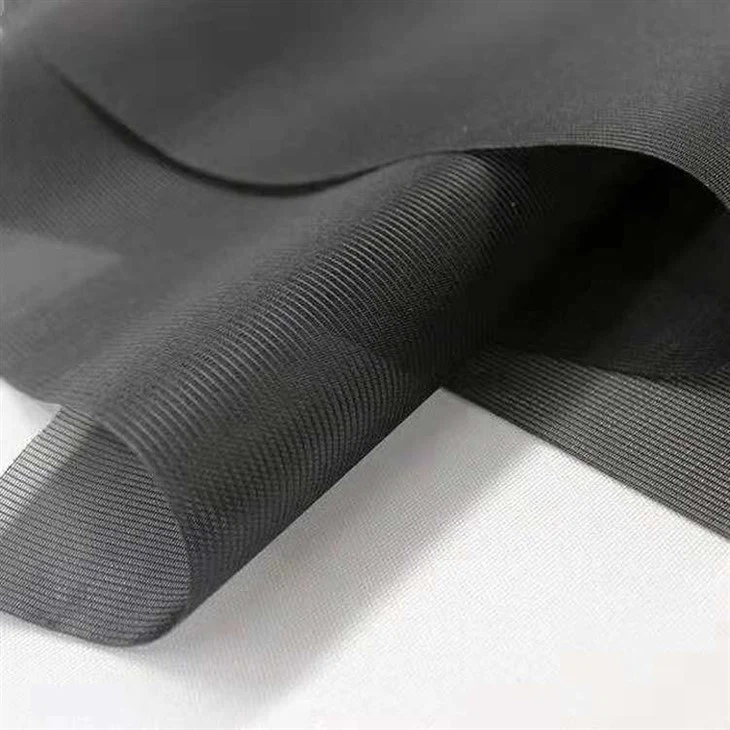

For hinged doors, magnetic or Velcro - attached screens are popular options. These screens can be easily installed by following the manufacturer's instructions. They are also removable, which is convenient for cleaning or if you need to remove the screen temporarily.
Maintenance of Pollen Screens on Doors
Regular maintenance is essential to keep your pollen screen on the door functioning effectively. You should clean the screen periodically to remove the trapped pollen and other debris. A simple vacuuming or gentle washing with mild soap and water can usually do the trick. Make sure to let the screen dry completely before re - installing it.
Compatibility with Other Door Features
If your door has other features such as a security lock or a peephole, you need to ensure that the pollen screen does not interfere with their functionality. Some pollen screen systems can be customized to accommodate these features. Our team can provide guidance on how to install the screen in a way that works well with your door's existing components.
Conclusion
In conclusion, pollen screens can be a great addition to your doors. They offer numerous benefits, including allergy relief, improved indoor air quality, energy efficiency, and cost - effectiveness. With the right selection of screen material, proper installation, and regular maintenance, you can enjoy the fresh air while keeping pollen and other pollutants at bay.
If you're interested in purchasing a pollen screen for your door, we are here to help. Our wide range of products, such as the Pollen Mesh for Windows, Pollen Net for Windows, and 16×48 Pollen Screen Mesh, can be customized to fit your specific door requirements. Contact us today to discuss your needs and start enjoying a pollen - free home.
References
- "Allergy and Asthma: The Impact of Indoor Air Quality." American College of Allergy, Asthma, and Immunology.
- "Energy - Efficient Ventilation Strategies for Homes." Department of Energy, USA.