


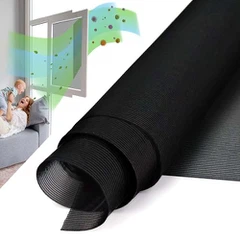
As a supplier of fiberglass insect mesh, I've encountered numerous inquiries from customers over the years. One question that frequently comes up is whether fiberglass insect mesh needs to be tightened over time. In this blog post, I'll delve into this topic, exploring the factors that influence the tightness of fiberglass insect mesh and providing insights based on my experience in the industry.
Understanding Fiberglass Insect Mesh
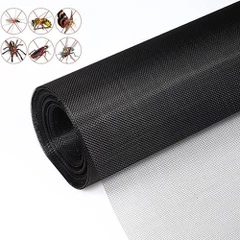
Before we discuss whether tightening is necessary, let's first understand what fiberglass insect mesh is. Fiberglass insect mesh is a popular choice for keeping insects out while allowing fresh air to circulate. It is made from fine fiberglass strands that are woven together to form a mesh pattern. This material is known for its durability, flexibility, and resistance to corrosion and rust.
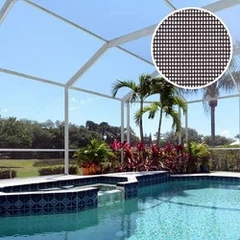
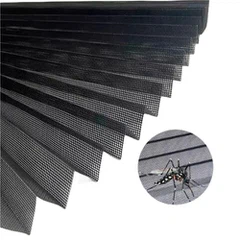
There are different types of fiberglass insect mesh available in the market, each with its own unique features and applications. For example, Fiberglass Fly Screen Mesh is commonly used for doors and windows to prevent flies and other flying insects from entering the house. Fiberglass Mosquito Net Roll is a convenient option for creating a mosquito-free zone in outdoor areas such as patios and gazebos. Fiberglass Mosquito Net for Windows is specifically designed to fit window frames and provide effective protection against mosquitoes.
Factors Affecting the Tightness of Fiberglass Insect Mesh
Several factors can affect the tightness of fiberglass insect mesh over time. Understanding these factors can help you determine whether tightening is necessary and how often it should be done.
1. Installation Quality
The quality of the installation plays a crucial role in the long-term tightness of the fiberglass insect mesh. If the mesh is not installed properly, it may become loose or saggy over time. For example, if the mesh is not stretched tightly during installation, it may develop wrinkles or gaps, which can allow insects to pass through. Therefore, it is important to ensure that the mesh is installed by a professional or following the manufacturer's instructions carefully.
2. Environmental Conditions
Environmental conditions can also have an impact on the tightness of the fiberglass insect mesh. Exposure to extreme temperatures, humidity, and sunlight can cause the mesh to expand or contract, which may lead to loosening. For example, in hot and humid climates, the mesh may stretch and become loose, while in cold climates, it may shrink and become brittle. Additionally, strong winds and heavy rain can also put stress on the mesh, causing it to become loose or damaged.
3. Wear and Tear
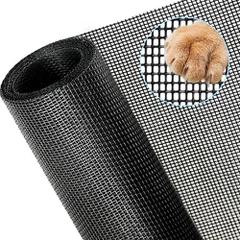
Over time, the fiberglass insect mesh may experience wear and tear due to regular use and exposure to the elements. For example, pets may scratch or chew on the mesh, and children may accidentally pull or tug on it. Additionally, debris and dirt can accumulate on the mesh, which can cause it to become heavy and saggy. These factors can all contribute to the loosening of the mesh over time.
Does Fiberglass Insect Mesh Need to be Tightened Over Time?
Based on the factors mentioned above, it is clear that fiberglass insect mesh may need to be tightened over time. However, the frequency of tightening depends on several factors, such as the installation quality, environmental conditions, and wear and tear.


In general, if the mesh is installed properly and the environmental conditions are relatively stable, it may not need to be tightened for several years. However, if the mesh is exposed to extreme temperatures, humidity, or strong winds, it may need to be tightened more frequently. Additionally, if the mesh is subject to regular wear and tear, such as from pets or children, it may also need to be tightened more often.
To determine whether the fiberglass insect mesh needs to be tightened, you can visually inspect the mesh for signs of looseness or sagging. If you notice any wrinkles, gaps, or areas where the mesh is not flush against the frame, it may be time to tighten it. You can also try gently tugging on the mesh to see if it feels loose or slack.
How to Tighten Fiberglass Insect Mesh
If you determine that the fiberglass insect mesh needs to be tightened, the process is relatively simple. Here are the steps you can follow:
1. Remove the Mesh
First, you need to remove the mesh from the frame. This can usually be done by carefully prying up the spline or channel that holds the mesh in place. Use a flathead screwdriver or a spline removal tool to gently lift the spline out of the channel.
2. Stretch the Mesh
Once the mesh is removed, lay it flat on a clean surface and stretch it gently to remove any wrinkles or slack. You can use your hands or a pair of pliers to grip the edges of the mesh and pull it taut. Be careful not to stretch the mesh too much, as this can cause it to tear or become damaged.
3. Reinstall the Mesh
After stretching the mesh, carefully place it back into the frame and press it firmly into the channel. Use a spline roller or a flathead screwdriver to roll the spline back into the channel, securing the mesh in place. Make sure the spline is fully seated in the channel and that the mesh is tight and flush against the frame.
4. Trim the Excess Mesh
Finally, use a pair of scissors or a utility knife to trim any excess mesh from the edges of the frame. Be careful not to cut the mesh too close to the frame, as this can cause it to become loose or frayed.
Conclusion
In conclusion, fiberglass insect mesh may need to be tightened over time, depending on several factors such as installation quality, environmental conditions, and wear and tear. By understanding these factors and following the steps outlined above, you can ensure that your fiberglass insect mesh remains tight and effective in keeping insects out.
If you have any questions or need further assistance with your fiberglass insect mesh, please don't hesitate to contact us. We are a leading supplier of high-quality fiberglass insect mesh and can provide you with the products and services you need to protect your home or business from insects. Whether you are looking for Fiberglass Fly Screen Mesh, Fiberglass Mosquito Net Roll, or Fiberglass Mosquito Net for Windows, we have the right solution for you. Contact us today to discuss your requirements and get a free quote.
References
- Manufacturer's instructions for fiberglass insect mesh installation
- Industry standards and best practices for maintaining fiberglass insect mesh
- Personal experience and observations as a fiberglass insect mesh supplier