


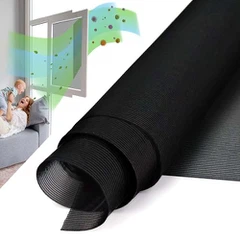
As a supplier of pollen guard screens, I've been asked numerous times whether these screens are suitable for all climates. It's a valid question, considering that different regions around the world experience a wide range of weather conditions, from the scorching heat of deserts to the freezing cold of polar regions. In this blog post, I'll delve into the factors that determine the suitability of pollen guard screens in various climates and share some insights based on my experience in the industry.
Understanding Pollen Guard Screens
Before we discuss their suitability for different climates, let's first understand what pollen guard screens are. These screens are designed to filter out pollen, dust, and other airborne particles, providing a barrier between the outside environment and the interior of a building. They are typically made of a fine mesh material that allows air to pass through while trapping larger particles.
Pollen guard screens are a popular choice for allergy sufferers, as they can significantly reduce the amount of pollen and other allergens that enter a home or office. They can also improve indoor air quality by reducing the presence of dust and other pollutants. Additionally, these screens can provide some level of privacy and security, as they make it more difficult for outsiders to see inside a building.
Factors Affecting Suitability in Different Climates
Several factors determine whether pollen guard screens are suitable for a particular climate. These include temperature, humidity, precipitation, and the presence of extreme weather events such as hurricanes, tornadoes, or blizzards. Let's take a closer look at each of these factors:
Temperature
Temperature plays a crucial role in the performance of pollen guard screens. In general, these screens are designed to withstand a wide range of temperatures, from cold winters to hot summers. However, extreme temperatures can affect the durability and effectiveness of the screens.
In cold climates, freezing temperatures can cause the mesh material to become brittle and more prone to damage. This can lead to tears or holes in the screen, which can reduce its effectiveness in filtering out pollen and other particles. Additionally, snow and ice buildup on the screen can add extra weight, which can cause it to sag or even break.
On the other hand, in hot climates, high temperatures can cause the mesh material to expand and become loose. This can also reduce the effectiveness of the screen in filtering out particles. Additionally, prolonged exposure to direct sunlight can cause the mesh material to fade and become less durable over time.
Humidity
Humidity is another important factor to consider when evaluating the suitability of pollen guard screens in different climates. High humidity levels can create a breeding ground for mold and mildew, which can grow on the screen and reduce its effectiveness in filtering out particles. Additionally, moisture can cause the mesh material to become sticky, which can attract more pollen and other particles.
In areas with low humidity, the mesh material may become dry and brittle, which can increase the risk of damage. Additionally, static electricity can build up on the screen, which can attract more pollen and other particles.
Precipitation
Precipitation, such as rain, snow, or hail, can also affect the performance of pollen guard screens. Heavy rain or snow can cause the screen to become saturated, which can reduce its effectiveness in filtering out particles. Additionally, hail can cause damage to the screen, such as dents or holes, which can reduce its durability and effectiveness.
In areas with frequent precipitation, it's important to choose a pollen guard screen that is made of a durable material that can withstand the elements. Additionally, the screen should be installed in a way that allows for proper drainage to prevent water from pooling on the screen.
Extreme Weather Events
Extreme weather events, such as hurricanes, tornadoes, or blizzards, can pose a significant threat to the durability and effectiveness of pollen guard screens. These events can cause high winds, heavy rain, snow, or hail, which can damage the screen and reduce its ability to filter out particles.
In areas prone to extreme weather events, it's important to choose a pollen guard screen that is designed to withstand these conditions. Look for screens that are made of a strong, durable material and that are installed using a secure mounting system. Additionally, it's a good idea to have a backup plan in place in case the screen is damaged during an extreme weather event.


Suitability in Different Climates
Based on the factors discussed above, let's take a look at the suitability of pollen guard screens in different climates:
Tropical Climates
Tropical climates are characterized by high temperatures, high humidity, and frequent rainfall. In these climates, pollen guard screens can be a great option for filtering out pollen and other allergens. However, it's important to choose a screen that is made of a durable material that can withstand the high humidity and frequent rainfall. Additionally, the screen should be installed in a way that allows for proper ventilation to prevent the growth of mold and mildew.
Desert Climates
Desert climates are characterized by low humidity, high temperatures, and little rainfall. In these climates, pollen guard screens can be a good option for filtering out dust and other airborne particles. However, it's important to choose a screen that is made of a material that can withstand the extreme temperatures and dry conditions. Additionally, the screen should be installed in a way that allows for proper airflow to prevent the buildup of static electricity.
Temperate Climates
Temperate climates are characterized by moderate temperatures, moderate humidity, and occasional rainfall. In these climates, pollen guard screens can be a great option for filtering out pollen and other allergens. They can also provide some level of privacy and security. However, it's important to choose a screen that is made of a durable material that can withstand the changing weather conditions.
Polar Climates
Polar climates are characterized by extremely cold temperatures, low humidity, and frequent snowfall. In these climates, pollen guard screens may not be as effective due to the freezing temperatures and snow buildup. However, they can still provide some level of protection against dust and other airborne particles. It's important to choose a screen that is made of a material that can withstand the extreme cold and snow.
Conclusion
In conclusion, pollen guard screens can be a great option for filtering out pollen, dust, and other airborne particles in a variety of climates. However, it's important to choose a screen that is designed to withstand the specific weather conditions in your area. Consider factors such as temperature, humidity, precipitation, and the presence of extreme weather events when evaluating the suitability of pollen guard screens in your climate.
If you're interested in learning more about pollen guard screens or would like to discuss your specific needs, please visit our website at Pollen Guard Screen. We offer a wide range of Pollen and Dust Window Screens that are designed to meet the needs of different climates and applications. Our Window Screens for Allergy Sufferers are made of high-quality materials and are available in a variety of sizes and styles.
We also offer professional installation services to ensure that your pollen guard screens are installed correctly and securely. Our team of experts has years of experience in the industry and can provide you with the advice and guidance you need to choose the right screen for your home or office.
If you're ready to take the next step and improve the indoor air quality of your home or office, please contact us today to schedule a consultation. We look forward to working with you!
References
- "The Impact of Climate on Pollen Production and Allergenicity." Journal of Allergy and Clinical Immunology, vol. 125, no. 2, 2010, pp. 233-241.
- "Pollen and Air Quality: A Review." Atmospheric Environment, vol. 43, no. 1, 2009, pp. 1-13.
- "The Effect of Temperature and Humidity on the Performance of Air Filters." Building and Environment, vol. 45, no. 1, 2010, pp. 20-26.