


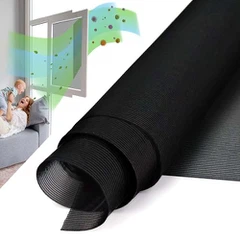
As a supplier of polyester mesh for pets, I often get asked some interesting questions from customers. One question that's come up a lot lately is whether polyester mesh for pets can be used in a fish tank for some pets. Let's dive into this topic and see what we can find out.
What is Polyester Mesh for Pets?
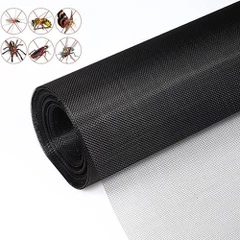
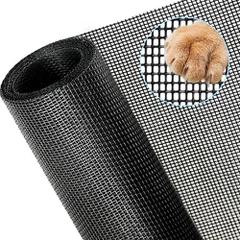
First off, let's talk about what polyester mesh for pets is. It's a type of mesh made from polyester fibers. Polyester is a synthetic material known for its durability, strength, and resistance to wear and tear. This mesh is commonly used in various pet - related products. For example, it can be used to make pet beds, playpens, or carriers. It provides a breathable and sturdy material that can withstand the activities of our furry friends.
You can check out our Heavy Duty Polyester Mesh for more details about the high - quality polyester mesh we offer.
Considerations for Using Polyester Mesh in a Fish Tank
When it comes to using polyester mesh in a fish tank, there are several things we need to think about.
Chemical Compatibility
The first and most important consideration is chemical compatibility. Fish are very sensitive to the water quality in their tank. Any chemicals that leach from the polyester mesh into the water could be harmful to the fish. Most modern polyester meshes are made to be chemically stable, but it's still a good idea to do a small test before fully introducing the mesh into the fish tank. You can soak a small piece of the mesh in a container of water for a few days and then test the water for any changes in pH, ammonia levels, or other chemical parameters.
Physical Safety
Another aspect is physical safety. The mesh should not have any sharp edges or loose threads that could potentially harm the fish. Some fish have delicate fins, and a rough or jagged edge on the mesh could tear their fins, leading to infection or other health problems. Before putting the mesh in the tank, make sure to inspect it carefully and trim any loose threads or smooth any rough edges.
Suitability for Aquatic Pets
Not all aquatic pets will interact with the mesh in the same way. For some small invertebrates like shrimp or snails, the mesh could provide a place to hide or climb on. They might find the various holes and spaces in the mesh interesting and useful for exploring. However, for larger fish, the mesh might be a potential obstacle. Some fish are strong swimmers and could get entangled in the mesh if it's not properly placed or if the hole size is too small.
Benefits of Using Polyester Mesh in a Fish Tank
If the above considerations are met, using polyester mesh in a fish tank can have several benefits.
Filtration and Separation
One of the main benefits is filtration and separation. You can use the mesh to create partitions in the fish tank. This is useful if you have different species of fish that need to be separated for safety reasons. For example, if you have aggressive fish and more peaceful ones, you can use the mesh to create a barrier between them. The mesh also allows water to flow through, so it won't disrupt the water circulation in the tank.
In addition, the mesh can act as a simple mechanical filter. It can trap larger debris like uneaten food or fish waste, preventing them from floating around in the tank and keeping the water cleaner.
Decorative Purposes
Polyester mesh can also add a decorative element to the fish tank. You can shape it into different forms, like caves or plants, to create a more natural - looking environment for the fish. Some fish are more likely to feel secure in a tank that has plenty of hiding places and interesting structures, and the mesh can help to achieve that.
Potential Drawbacks
However, there are also some potential drawbacks to using polyester mesh in a fish tank.
Algae Growth
The mesh can provide a surface for algae to grow on. Algae can quickly cover the mesh, making it look unsightly and potentially reducing the effectiveness of the mesh as a partition or filter. You'll need to regularly clean the mesh to prevent excessive algae growth.
Maintenance
Maintaining the mesh in the fish tank can be a bit of a hassle. Over time, the mesh can become clogged with debris, which will affect its performance. You'll need to remove the mesh from the tank periodically, clean it, and then put it back in. This can be a bit disruptive to the fish and the tank's ecosystem.
Other Similar Products and Their Applications
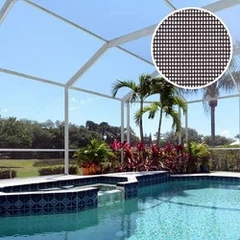
We also offer other related products that might be of interest. For example, our Fiberglass Pool Screen is a high - quality screen made from fiberglass. While it's mainly designed for pool use, it has similar properties to polyester mesh in terms of durability and strength. It could potentially be adapted for use in a larger fish tank or aquarium setup, especially if you need a more heavy - duty partition or barrier.


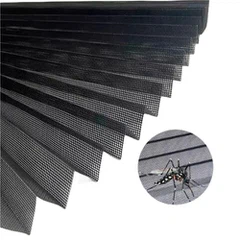
Our Fiberglass Mosquito Net for Windows is another product that uses fiberglass material. Although it's intended for window use to keep mosquitoes out, the fine mesh structure could also be used in a fish tank for certain applications, such as creating a very fine - grained filter.
Conclusion
In conclusion, polyester mesh for pets can be used in a fish tank for some pets, but it requires careful consideration. You need to make sure it's chemically safe, physically suitable for the fish, and that you're aware of the potential benefits and drawbacks. If you're interested in using polyester mesh or any of our other related products in your fish tank, we're here to help. We have a wide range of products and can provide you with more information and advice on the best options for your specific needs.
If you're thinking about purchasing our polyester mesh or any other products, feel free to contact us for a detailed discussion. We're always happy to talk to customers and help them find the right solutions for their pet - related needs.
References
- General knowledge about polyester materials and their properties in pet and aquatic environments.
- Experience from dealing with customers' inquiries and feedback regarding the use of mesh products in different settings.