


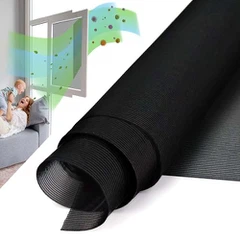
When it comes to safeguarding our homes from pollen, pollen guard screens have emerged as a popular solution. As a supplier of high - quality pollen guard screens, I often get asked the question: "Are pollen guard screens safe for children and pets?" In this blog post, I'll delve into this topic, examining the scientific aspects and addressing concerns to provide you with a comprehensive understanding.
Understanding Pollen Guard Screens
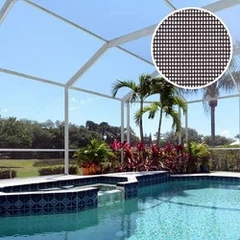
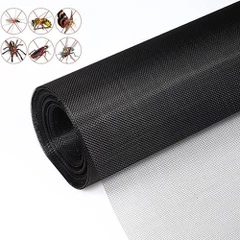
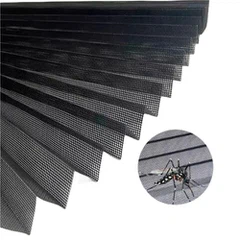
Pollen guard screens, such as the Pollen Proof Window Screen, Pollen Net for Windows, and Anti Pollen Screen, are designed to block pollen particles from entering our living spaces. They work by creating a physical barrier that traps pollen while still allowing air to flow through. These screens are typically made from fine - meshed materials that are engineered to capture even the smallest pollen grains.
Material Safety
One of the primary concerns regarding the safety of pollen guard screens is the material they are made of. Most modern pollen guard screens are constructed from non - toxic and hypoallergenic materials. These materials are carefully selected to ensure that they do not pose any health risks to humans or animals. For example, many screens are made from polyester or polypropylene, which are widely used in various consumer products due to their safety and durability.
Polyester is a synthetic fiber that is resistant to mold, mildew, and pests. It does not release any harmful chemicals into the environment, making it a safe choice for use in homes with children and pets. Polypropylene, on the other hand, is lightweight, strong, and has excellent chemical resistance. It is also non - irritant to the skin, which is crucial when considering the safety of young children and animals that may come into direct contact with the screens.
Physical Safety
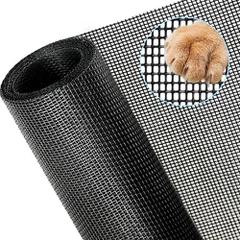
In addition to material safety, the physical design of pollen guard screens is also important. The screens are designed to be securely installed in windows and doors, preventing them from coming loose and posing a choking or entanglement hazard. The fine mesh of the screens is small enough to prevent children and pets from getting their fingers or paws stuck, reducing the risk of injury.
Moreover, the installation process of pollen guard screens is relatively simple and does not involve the use of any sharp tools or hazardous chemicals. This means that there is minimal risk of accidental injury during the installation or removal of the screens.


Air Quality and Health Benefits
Pollen guard screens not only provide a physical barrier against pollen but also contribute to improved indoor air quality. By blocking pollen from entering the home, these screens can help reduce the symptoms of allergies and asthma in both children and adults. For children, who are more susceptible to respiratory problems, clean indoor air is essential for their healthy development.
Pets can also benefit from the improved air quality provided by pollen guard screens. Just like humans, pets can suffer from pollen allergies, which can cause itching, sneezing, and respiratory distress. By keeping pollen out of the home, we can help our furry friends stay healthy and comfortable.
Potential Risks and Precautions
While pollen guard screens are generally safe, there are a few potential risks that we need to be aware of. One of the main risks is the accumulation of dust and debris on the screens over time. This can reduce the effectiveness of the screens and may also pose a health risk if not cleaned regularly.
To prevent this, it is recommended to clean the pollen guard screens at least once a month. This can be done by gently vacuuming the screens or washing them with mild soap and water. It is important to ensure that the screens are completely dry before reinstalling them to prevent the growth of mold and mildew.
Another potential risk is the improper installation of the screens. If the screens are not installed correctly, they may not provide an effective barrier against pollen, and there may also be a risk of the screens coming loose. To avoid this, it is advisable to follow the manufacturer's installation instructions carefully or seek professional installation services.
Conclusion
In conclusion, pollen guard screens are a safe and effective solution for protecting our homes from pollen. The materials used in these screens are non - toxic and hypoallergenic, and the physical design is engineered to prevent injury to children and pets. Moreover, the improved indoor air quality provided by these screens can have significant health benefits for both humans and animals.
However, it is important to take the necessary precautions to ensure the continued safety and effectiveness of the screens. Regular cleaning and proper installation are essential to maintain the performance of the screens and to minimize any potential risks.
If you are interested in purchasing high - quality pollen guard screens for your home, I encourage you to reach out to us for more information. We are committed to providing our customers with the best products and services, and we would be happy to assist you in finding the perfect solution for your needs.
References
- American Academy of Allergy, Asthma & Immunology. (2023). Indoor Air Quality and Allergies.
- World Health Organization. (2022). Guidelines for Indoor Air Quality: Pollen and Mould.
- Consumer Product Safety Commission. (2023). Safety Standards for Window Screens.