


Can I install a pollen screen myself without professional help?
In recent years, the issue of pollen allergies has become increasingly prominent, affecting the health and quality of life of countless individuals. Pollen screens have emerged as an effective solution to this problem, filtering out pollen and other allergens to create a cleaner and healthier indoor environment. As a pollen screen supplier, I often receive inquiries from customers asking whether they can install a pollen screen themselves without professional help. In this blog post, I will explore this question in detail and provide you with the information you need to make an informed decision.
Understanding Pollen Screens
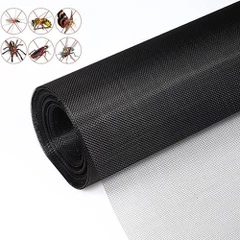
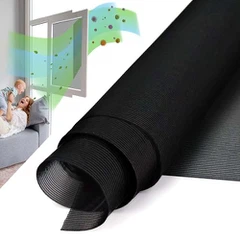
Before we delve into the installation process, it's important to understand what pollen screens are and how they work. Pollen screens are typically made of a fine mesh material that is designed to block pollen particles while allowing air to flow through. They can be installed on windows, doors, or ventilation systems to prevent pollen from entering your home or office.
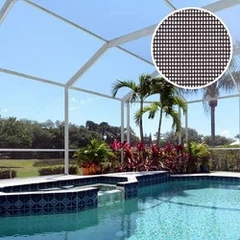
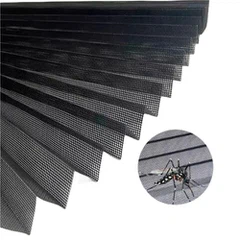
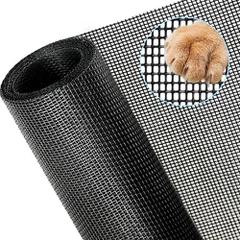
There are several types of pollen screens available on the market, each with its own unique features and benefits. For example, the 16×48 Pollen Screen Mesh is a popular choice for many homeowners due to its large size and high pollen filtration efficiency. The Pollen Net for Windows is another option that is specifically designed for use on windows, providing a seamless and discreet solution for blocking pollen. And the Pollen Mesh for Windows is a versatile option that can be easily customized to fit any window size or shape.
Assessing Your Skills and Tools
The first step in determining whether you can install a pollen screen yourself is to assess your skills and tools. Installing a pollen screen typically involves measuring the window or door opening, cutting the screen material to size, and attaching it to the frame using a variety of tools and techniques. While the process is relatively straightforward, it does require some basic DIY skills and the right tools.
If you have experience with DIY projects and are comfortable using tools such as a tape measure, scissors, and a staple gun, then you may be able to install a pollen screen yourself. However, if you are not confident in your abilities or do not have the necessary tools, it may be best to hire a professional installer.
Measuring the Window or Door Opening
Once you have determined that you have the skills and tools necessary to install a pollen screen, the next step is to measure the window or door opening. This is an important step, as it will ensure that the screen fits properly and provides maximum pollen protection.
To measure the window or door opening, use a tape measure to measure the width and height of the opening. Be sure to measure from the inside of the frame, as this is where the screen will be installed. It's also a good idea to measure the opening in several places to ensure that it is square and that there are no irregularities.
Cutting the Screen Material to Size
After you have measured the window or door opening, the next step is to cut the screen material to size. This can be done using a pair of scissors or a utility knife. Be sure to cut the screen material slightly larger than the measured opening to allow for some overlap.
When cutting the screen material, it's important to use a straight edge to ensure that the cuts are straight and even. You may also want to use a ruler or a piece of cardboard to guide your cuts.
Attaching the Screen to the Frame
Once you have cut the screen material to size, the next step is to attach it to the frame. This can be done using a variety of tools and techniques, depending on the type of screen and the frame material.
One common method of attaching the screen to the frame is to use a staple gun. To do this, place the screen material over the frame and use the staple gun to attach it to the frame at regular intervals. Be sure to staple the screen material tightly to the frame to prevent it from sagging or coming loose.
Another method of attaching the screen to the frame is to use adhesive tape or double-sided tape. To do this, apply the tape to the frame and then press the screen material onto the tape. Be sure to smooth out any wrinkles or bubbles in the screen material to ensure a tight seal.
Testing the Screen
After you have attached the screen to the frame, the next step is to test the screen to ensure that it is working properly. To do this, open the window or door and check to see if any pollen is entering the room. If you notice any pollen entering the room, you may need to adjust the screen or add additional sealing material to prevent it from entering.
Benefits of Installing a Pollen Screen Yourself
There are several benefits to installing a pollen screen yourself. First and foremost, it can save you money on installation costs. Hiring a professional installer can be expensive, especially if you have multiple windows or doors that need to be screened. By installing the screen yourself, you can save a significant amount of money.
Another benefit of installing a pollen screen yourself is that it allows you to customize the screen to fit your specific needs and preferences. You can choose the type of screen material, the size of the screen, and the color of the screen to match the decor of your home or office.


Finally, installing a pollen screen yourself can be a rewarding experience. It allows you to take control of your home environment and make a positive impact on your health and well-being.
When to Hire a Professional Installer
While installing a pollen screen yourself can be a cost-effective and rewarding experience, there are some situations where it may be best to hire a professional installer. For example, if you have a large or complex window or door opening, or if you are not confident in your DIY skills, it may be best to hire a professional installer.
Another situation where it may be best to hire a professional installer is if you need to install a custom-made screen. Custom-made screens are typically more expensive than standard screens, but they can provide a better fit and a more seamless appearance.
Conclusion
In conclusion, installing a pollen screen yourself without professional help is possible, but it does require some basic DIY skills and the right tools. If you have experience with DIY projects and are comfortable using tools such as a tape measure, scissors, and a staple gun, then you may be able to install a pollen screen yourself. However, if you are not confident in your abilities or do not have the necessary tools, it may be best to hire a professional installer.
As a pollen screen supplier, I am committed to providing my customers with high-quality pollen screens and the information they need to make an informed decision. If you have any questions or need further assistance, please do not hesitate to contact me. I would be happy to help you choose the right pollen screen for your needs and provide you with installation instructions and support.
If you are interested in purchasing a pollen screen, please feel free to contact us for more information and to discuss your specific requirements. We offer a wide range of pollen screens to suit every budget and need, and our team of experts is always on hand to provide you with professional advice and support.
References
- "Pollen Allergies: Symptoms, Causes, and Treatment." Mayo Clinic, Mayo Foundation for Medical Education and Research, 2023.
- "How to Install a Window Screen." This Old House, This Old House Ventures, 2023.