

As a seasoned sunshade screen supplier, I've encountered numerous inquiries from customers about the most effective color for blocking heat. The color of a sunshade screen plays a pivotal role in its heat - blocking capabilities, and in this blog, we'll delve into the science behind it and explore which color might be the best choice for your needs.
The Science of Heat Absorption and Reflection
Before we discuss specific colors, it's essential to understand the basic principles of how sunlight interacts with different materials. Sunlight consists of a spectrum of electromagnetic waves, including visible light, infrared (IR), and ultraviolet (UV) rays. The heat we feel from sunlight is primarily due to the infrared radiation.
When sunlight hits a sunshade screen, three things can happen: absorption, reflection, and transmission. Absorption occurs when the screen material takes in the sunlight's energy and converts it into heat. Reflection is when the sunlight bounces off the screen, while transmission allows some of the sunlight to pass through the screen.
The color of a material significantly affects these processes. Dark - colored materials, such as black, tend to absorb more light and heat compared to light - colored ones. This is because dark colors have a lower albedo, which is a measure of how much light is reflected by a surface. In contrast, light - colored materials, like white, have a higher albedo and reflect more light, resulting in less heat absorption.
Dark Colors: High Absorption but Potential for Heat Blocking
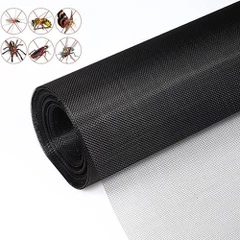
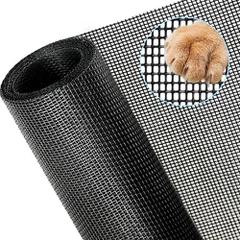
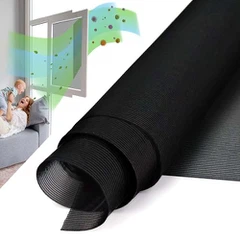
Black and other dark - colored sunshade screens are often thought to be less effective at blocking heat because they absorb a large amount of sunlight. However, this isn't entirely true. Dark - colored screens can actually be quite effective in blocking heat, especially when they are designed to radiate the absorbed heat away from the building.
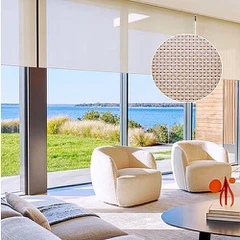
A dark - colored sunshade screen absorbs sunlight and heats up. But if it is installed with a small gap between the screen and the window or building facade, the hot air can rise and be carried away by natural convection. This process prevents the heat from being transferred directly into the building. For example, a black Screen Fabric Roller Blinds can absorb a significant amount of sunlight, but if it is properly installed with an air gap, it can act as a barrier that stops the heat from reaching the interior.
Moreover, dark - colored screens can also block a large portion of the visible light, reducing glare inside the building. This can be beneficial in areas where direct sunlight causes discomfort or affects the visibility of electronic devices.
Light Colors: Reflection and Coolness
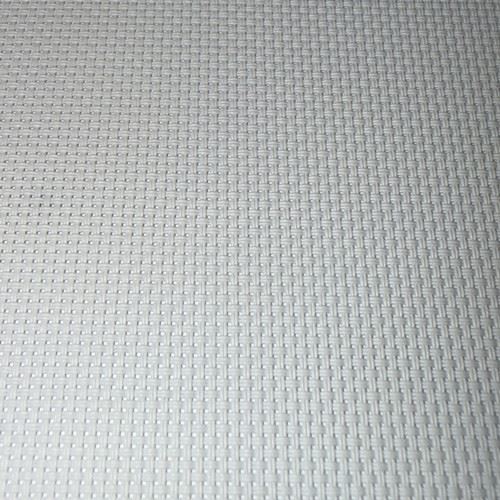
Light - colored sunshade screens, such as white or light gray, are known for their ability to reflect sunlight. They have a high albedo, which means they send a large portion of the sunlight back into the atmosphere. As a result, they absorb less heat and stay cooler compared to dark - colored screens.
A white sunshade screen reflects most of the visible light and infrared radiation, reducing the amount of heat that reaches the building. This can lead to a significant reduction in indoor temperatures, especially during hot summer days. For instance, our 450GSM Fiberglass+PVC Sunshade 5% Fabric in a light - colored option can effectively reflect sunlight and keep the interior cool.
Light - colored screens are also aesthetically pleasing and can blend well with different architectural styles. They can give a clean and modern look to a building, which is an added advantage for many customers.
Neutral and Metallic Colors: A Balance of Absorption and Reflection
Neutral colors like gray and silver, as well as metallic - looking colors, offer a balance between the absorption of dark colors and the reflection of light colors. Gray sunshade screens absorb less heat than black ones but more than white ones. They can provide a good level of heat blocking while also being relatively cool to the touch.
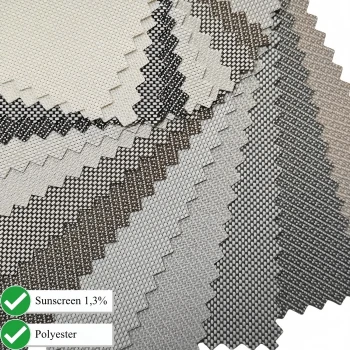
Metallic - colored screens, such as those with a silver finish, have a unique property of reflecting both visible light and infrared radiation. They can be very effective in blocking heat, especially when they are made of materials that have high reflectivity. Our Polyester+PVC Sunshade 3% Fabric in a metallic color option can offer excellent heat - blocking performance while adding a touch of elegance to the building.
Considerations Beyond Color
While color is an important factor in heat blocking, it's not the only one. The material of the sunshade screen, its weave density, and the installation method also play crucial roles.
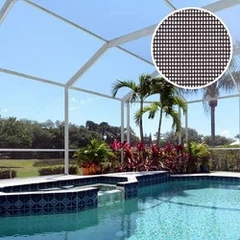
The material of the screen determines its durability, UV resistance, and heat - transfer properties. For example, fiberglass and PVC - coated materials are known for their strength and ability to block UV rays. The weave density affects how much sunlight can pass through the screen. A higher weave density generally means less sunlight transmission and better heat blocking.
Proper installation is also essential. As mentioned earlier, installing the screen with an air gap can enhance its heat - blocking capabilities. Additionally, the orientation of the building and the angle of the sun throughout the day should be considered when choosing the type and color of the sunshade screen.
Conclusion
In conclusion, there isn't a one - size - fits - all answer to which color of sunshade screen is the most effective in blocking heat. Dark colors can be effective when installed correctly to allow for heat dissipation, light colors are great for reflecting sunlight, and neutral and metallic colors offer a balance.
When choosing a sunshade screen, it's important to consider your specific needs, the architectural style of the building, and the local climate. As a sunshade screen supplier, we offer a wide range of colors and materials to meet different requirements. Whether you're looking for a Screen Fabric Roller Blinds in a classic white or a 450GSM Fiberglass+PVC Sunshade 5% Fabric in a trendy metallic color, we have the products to help you keep your building cool and comfortable.
If you're interested in learning more about our sunshade screens or would like to discuss your specific needs, please feel free to contact us. We're here to assist you in making the best choice for your heat - blocking requirements.
References
- "Solar Radiation Management: Reflective Surfaces" - National Renewable Energy Laboratory.
- "Heat Transfer and Energy Efficiency in Buildings" - American Society of Heating, Refrigerating and Air - Conditioning Engineers (ASHRAE).
- "The Impact of Color on Building Energy Consumption" - Journal of Building Physics.